
West Ham Relegation and Tottenham Survival: A Tale of Two Clubs
Tottenham breathe again. West Ham fall through the trapdoor. On a final day thick with anxiety and accusation, north London felt only relief; east London stared into the mirror.
This was not the day West Ham were relegated. That slow descent has taken years, layered with missteps in the boardroom, on the touchline and on the pitch. Sunday merely confirmed what had long been coming.
West Ham: Relegation by a thousand cuts
At the heart of the anger stands David Sullivan. The money has been spent, that much is undeniable. The problem is what it has been spent on. A scattergun recruitment strategy, no coherent long-term plan, and a chairman acting as de facto director of football on the back of a career selling magazines. West Ham have paid Premier League prices for a Championship trajectory. If relegation finally forces Sullivan out, many supporters will call it an acceptable sacrifice.
The rot, though, has not been confined to the boardroom. The season began under Graham Potter with a team that looked fragile and confused. They conceded from almost every corner, they persisted with Max Kilman when his form screamed for a spell out of the firing line, and they never once looked settled. By the time Potter left, the damage was already deep.
Nuno Espírito Santo arrived in September and needed months just to steady the ship. For three crucial months, West Ham drifted. The mood around the club was one of resignation long before the league table made it official. The irony is cruel: since mid-January, Nuno has coaxed mid-table form from a side that had previously looked doomed. The fightback came, but from seven points adrift it was always likely to be too late.
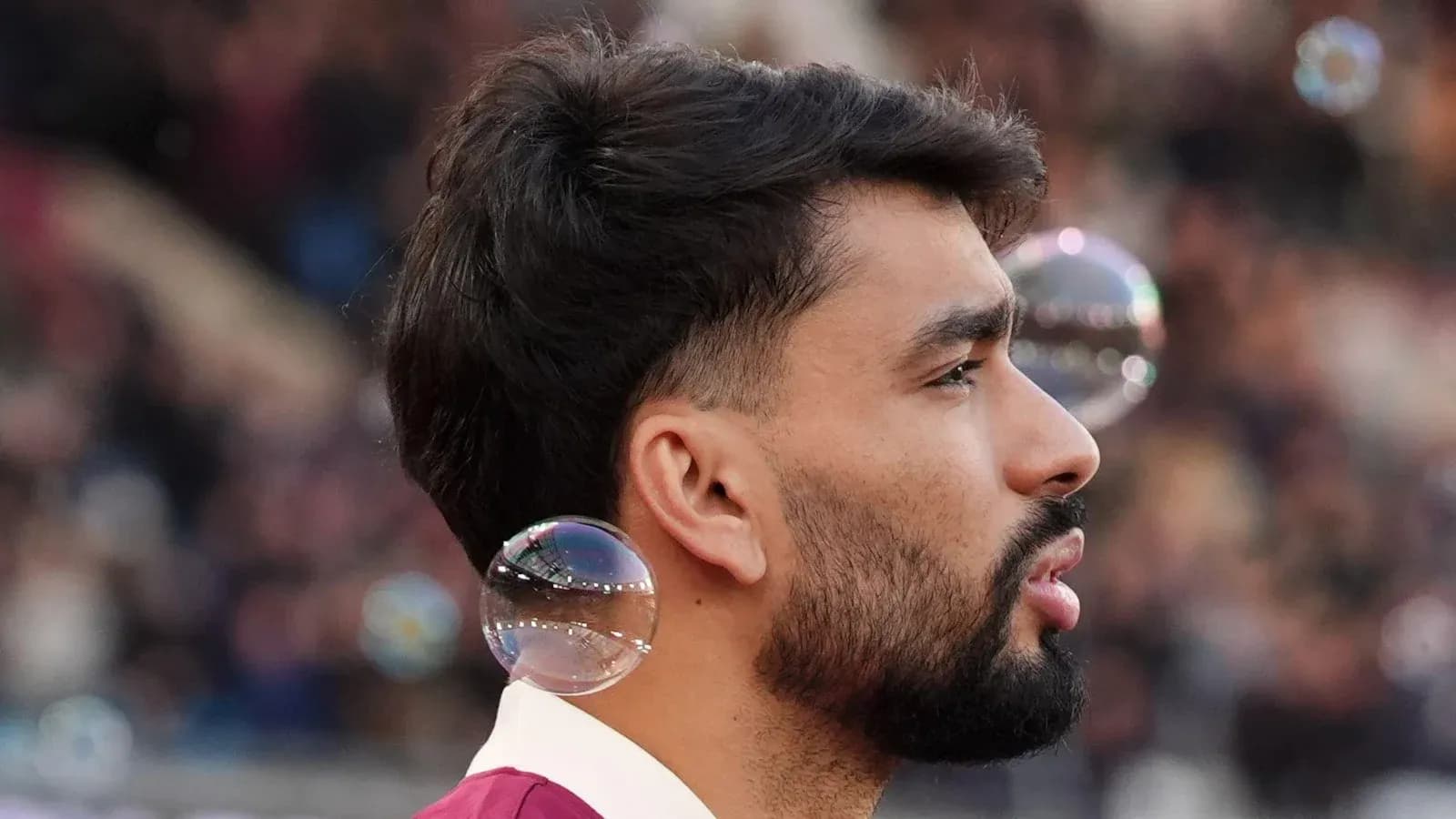
On the pitch, Lucas Paquetá became a symbol of the dysfunction. A player of high talent, weighed down by an FA investigation and a work rate that infuriated supporters. Performances and morale lifted the moment he departed. West Ham looked lighter, freer, more committed. That tells its own story.
Then there is the London Stadium, a move sold as a financial masterstroke and a gateway to the elite. The balance sheet may approve, the matchday experience does not. The stadium is too big, the gaps between tiers too wide, the noise too easily lost. Upton Park has been romanticised to the point of legend, but this much is clear: the new home has never truly felt like home, and the atmosphere has reflected that.
External forces added a bitter twist. Leeds and Sunderland arrived from the Championship and refused to play the role of grateful guests. They attacked the division, played with courage, and made a mockery of any notion that mid-ranking Premier League clubs can coast between 12th and 17th. West Ham tried to tread water in a league that no longer allows it.
The supporters, too, have turned the glare on themselves. When the team plays well, the backing is fierce and loyal. When it doesn’t, the mood turns quickly. Booing the players off at half-time on the final day, with relegation all but sealed and confidence brittle, summed up the toxicity that has seeped into the club. It felt less like anger, more like exhaustion.
VAR, inevitably, takes a share of the ire. It did not relegate West Ham, but it has drained joy from the matchday experience and added another layer of frustration to a fanbase already running hot. Many would happily trade the technology for the old chaos. For some, dropping into the Championship feels like a small price to pay if it means leaving something of this era behind.
What remains is a strange cocktail: anger at the hierarchy, frustration with managers past and present, resentment of rivals who dared to be ambitious, and a quiet, stubborn hope. Trips to Lincoln, Millwall and 44 other grounds now await. For a certain kind of supporter, that sounds like a season worth living.
Spurs: survival, not triumph
Across the capital, Tottenham’s mood could not be more different, yet it is hardly jubilant. Survival, secured with a final-day win over Everton, feels like a reprieve rather than a celebration. The Premier League’s fixture computer delivered Everton at home when Spurs needed it most, and north London is grateful.
This has been a campaign that left scars. Roberto De Zerbi walked into a club weighed down by negativity, ravaged by injuries and mocked by almost everyone beyond its own fanbase. The squad looked brittle, the mood poisonous, the drop looming large. From there, he engineered a Great Escape.
Tottenham stayed up by the narrowest of margins, but they stayed up. That is the only line that matters on the final table, yet the story behind it demands a reckoning. A team that once flirted with fifth place contrived to take just two points from the final 12 available in that chase. A club that has long been accused of softness leaned into the stereotype before finally snapping out of it when the stakes became existential.
De Zerbi, though, has given them something to cling to. He has imposed structure amid chaos, coaxed performances from Xavi Simons, Lucas Bergvall, Micky van de Ven, Pedro Porro and Mathys Tel, and held the dressing room together when it could easily have fractured. He did it while key figures, like Cristian Romero, disappeared to long-term injury and the noise outside the club reached a howl.
The mood around Spurs in April was almost gleeful among rival supporters. Relegation for the self-styled nearly-men, the club that specialises in disappointment, felt too delicious a narrative to resist. Tottenham, once again, disappointed everyone – just not their own.
The jokes will keep coming. Suggestions of new shirt sponsors themed around “staying up,” barbs about the lack of trophies, digs from pundits who would happily have seen them go. That is the price of survival without glory. Yet the club has bought itself time: time to reset, to clear out the weak links, to get bodies fit, to give De Zerbi a full pre-season and a squad shaped to his ideas.
Tottenham’s season ends not with a trophy, not with a parade, but with a breath exhaled and a promise that things must change. West Ham’s ends with a fall and the start of a long, hard climb.
One club clings on to the edge of the cliff. The other has finally lost its grip. Next season will reveal who truly learns from the drop – and who simply waits to fall again.



