Wayne Rooney Critiques Guards of Honour for Silva and Stones
Wayne Rooney slams on‑pitch guards of honour for Silva and Stones as Villa spoil Guardiola farewell
The Etihad wanted a coronation. It got a row about standards instead.
On a night built to celebrate Pep Guardiola’s decade of dominance, the flashpoint came not from a tackle or a controversial decision, but from two slow, ceremonial walks to the touchline.
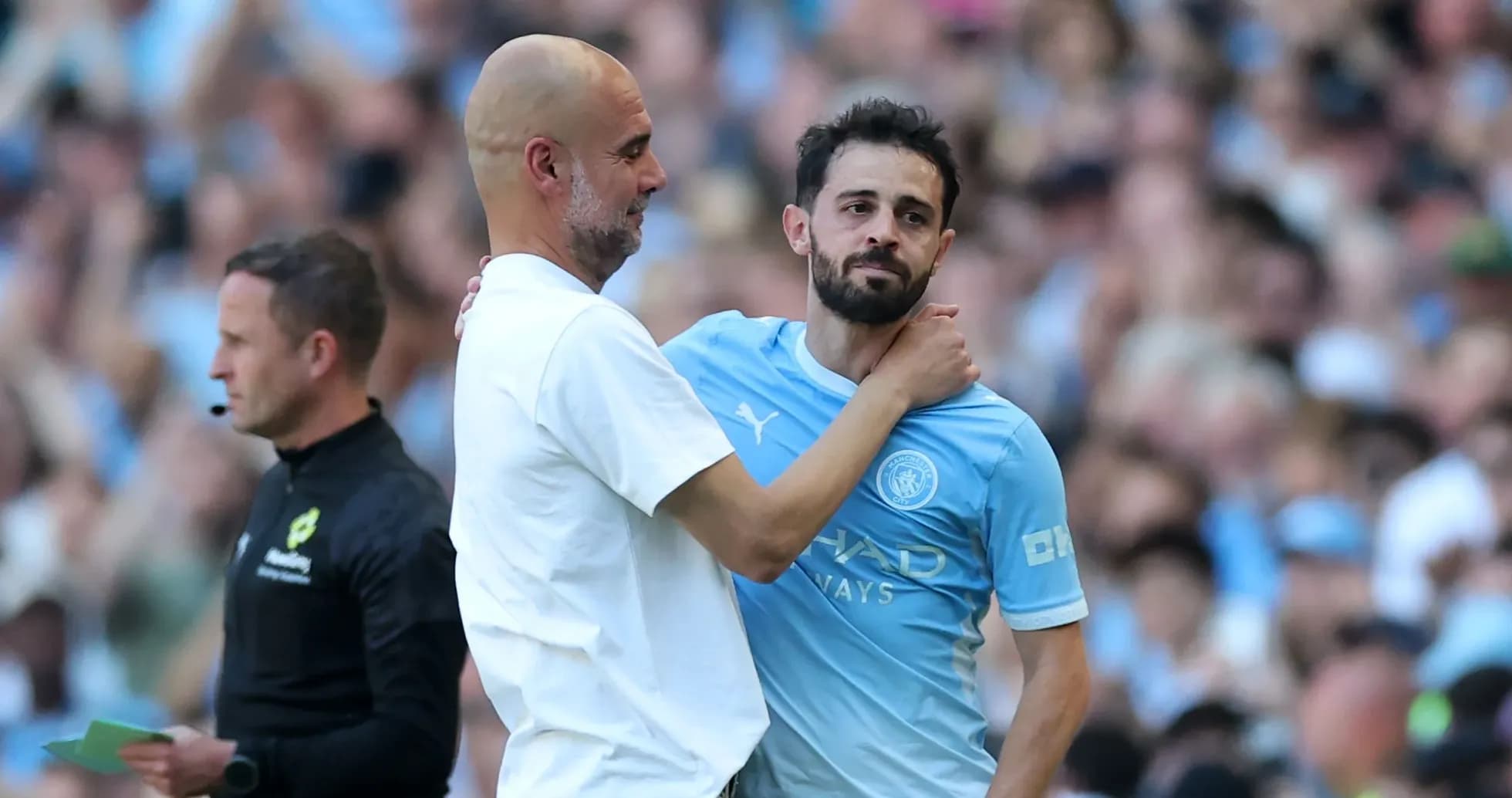
Twice in the second half against Aston Villa, play stopped so that Bernardo Silva and John Stones could receive guards of honour from both sets of players as they were substituted. Twice, the competitive edge of a live Premier League game gave way to a testimonial feel.
Wayne Rooney hated every second of it.
"It's incredible," he told BBC Match of the Day. "I've seen a few things this season, and it just makes me sad that some of these things are happening in football. Bernardo Silva and John Stones have been incredible for Manchester City and they deserve it, but do it after the game. If I was in that Aston Villa team, I'd be fuming."
Silva came off just before the hour, with the scores level. The game still in the balance, Villa still with European implications on the line, and yet both teams formed a corridor for the Portuguese midfielder. Twenty minutes later, they did it again for Stones.
The spectacle jarred. This was not a lap of honour after a dead rubber in May. Villa still had the table to climb, coefficients to shape, and a match to win. Critics quickly argued that the scenes chipped away at the Premier League’s competitive integrity, turning a live contest into a backdrop for City’s farewell script.
Alan Shearer, another voice steeped in the league’s old-school ruthlessness, lined up alongside Rooney.
"I was surprised that Villa agreed to doing it, particularly with so long left," the former Newcastle United striker admitted. "I mean, with half an hour, just over half an hour to go with one of the substitutions, so yeah, I'm in Wayne's camp. I'm not a great fan of that while the game is going on."
The night was supposed to be about Pep. Ten years, 20 major trophies, a revolution in how English champions play. The Etihad was ready to say goodbye to the architect of an era.
On the pitch, though, Villa refused to play their assigned role.
Antoine Semenyo had put City in front, a goal that seemed to fit the script of a comfortable home send-off. The atmosphere softened, the substitutions became part of the show, and the intensity dipped just enough for Unai Emery’s side to sense an opening.
The pressure from the visitors grew. City’s focus drifted towards the emotion of the occasion, the long embraces, the applause. Villa stayed locked on the details that still mattered to them.
Ollie Watkins did the rest. His brace turned the game on its head, delivering a 2-1 victory that cut across the celebrations and underlined exactly why Rooney and Shearer bristled at any hint of a testimonial vibe in a top-flight fixture.
For Villa, this was no exhibition. They had already booked their place in next season’s Champions League through their Europa League triumph, but the league table still carried weight. The win pushed them into fourth place ahead of Liverpool, a small shift with big consequences in the coefficient battle and one that allowed Sporting CP to skip the Champions League qualifying rounds altogether.
So while City staged their farewells, Villa quietly altered the European landscape.
Guardiola, for once, looked drained rather than defiant. After the final whistle, he admitted he was "so tired" and broke down in tears as he spoke about the bonds forged since 2016. It was not Watkins’ finishing or Villa’s discipline that finally cracked him, but the sight of his players reacting to Silva and Stones’ departures. The emotional core of his squad, laid bare in those moments, pulled him under.
For City, the defeat will barely register on the ledger of a decade that delivered relentless success. Yet on a day built to celebrate 20 trophies and a manager who has bent English football to his will, the loss carried a sting. The sense lingered that the occasion, the orchestrated emotion, had nudged them off their usual ruthless track.
That is where the wider argument now sits. How do you honour modern greats without turning a live Premier League match into a ceremonial stage? Where is the line between respect and spectacle?
As the Guardiola era settles into history, that question will not go away.