Vancouver FC Triumphs Over Pacific FC in All-B.C. Derby
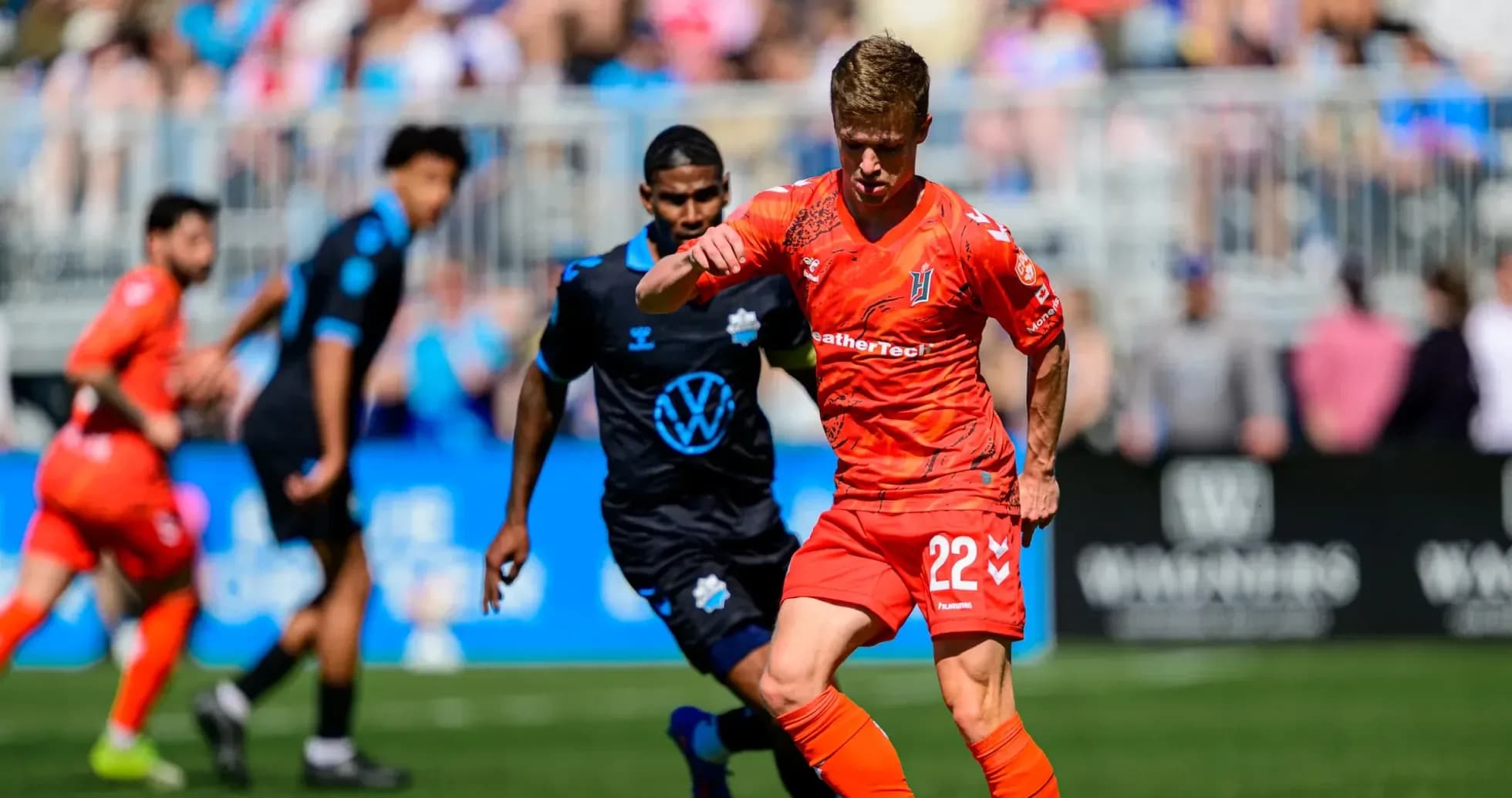
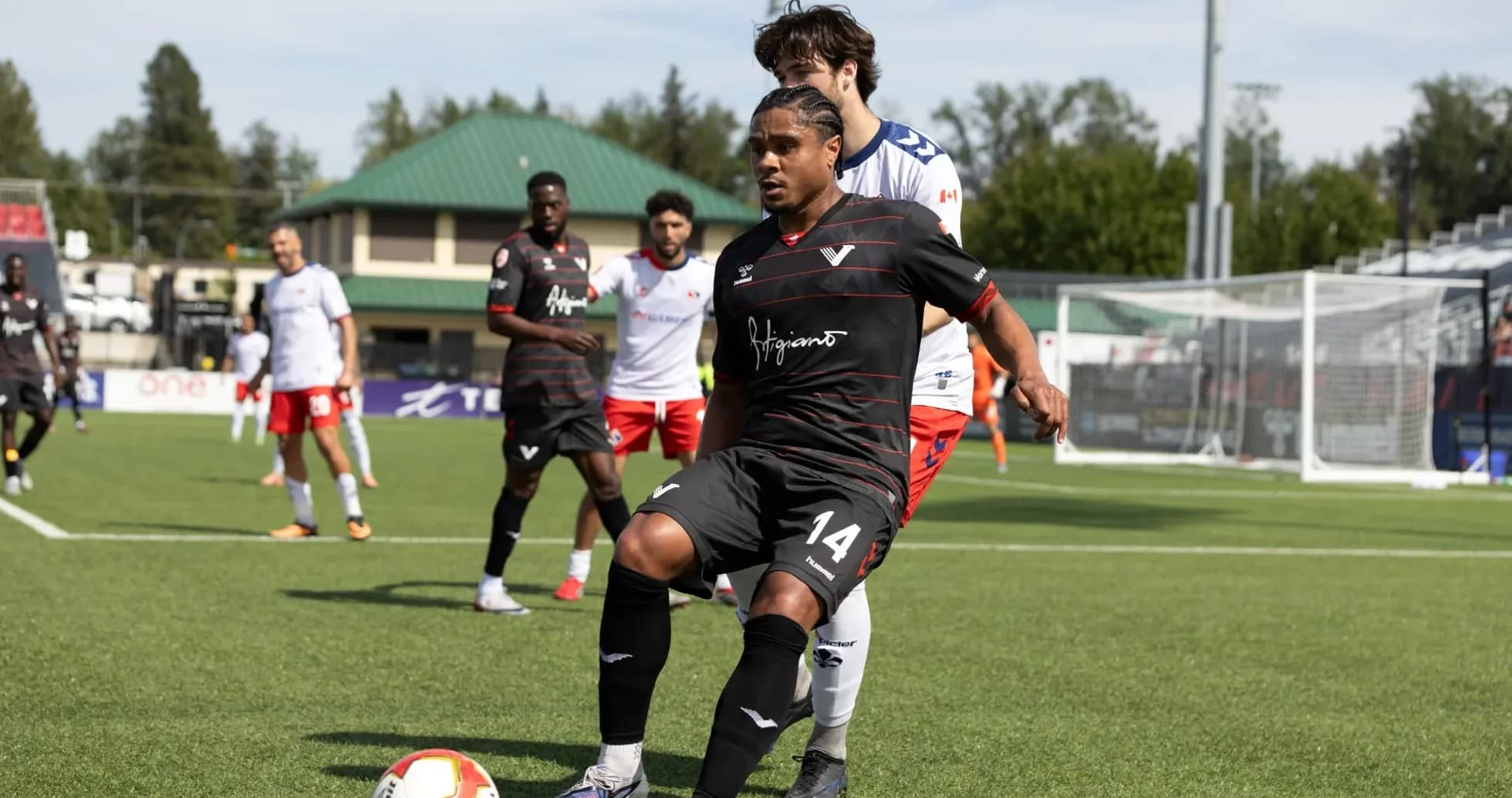
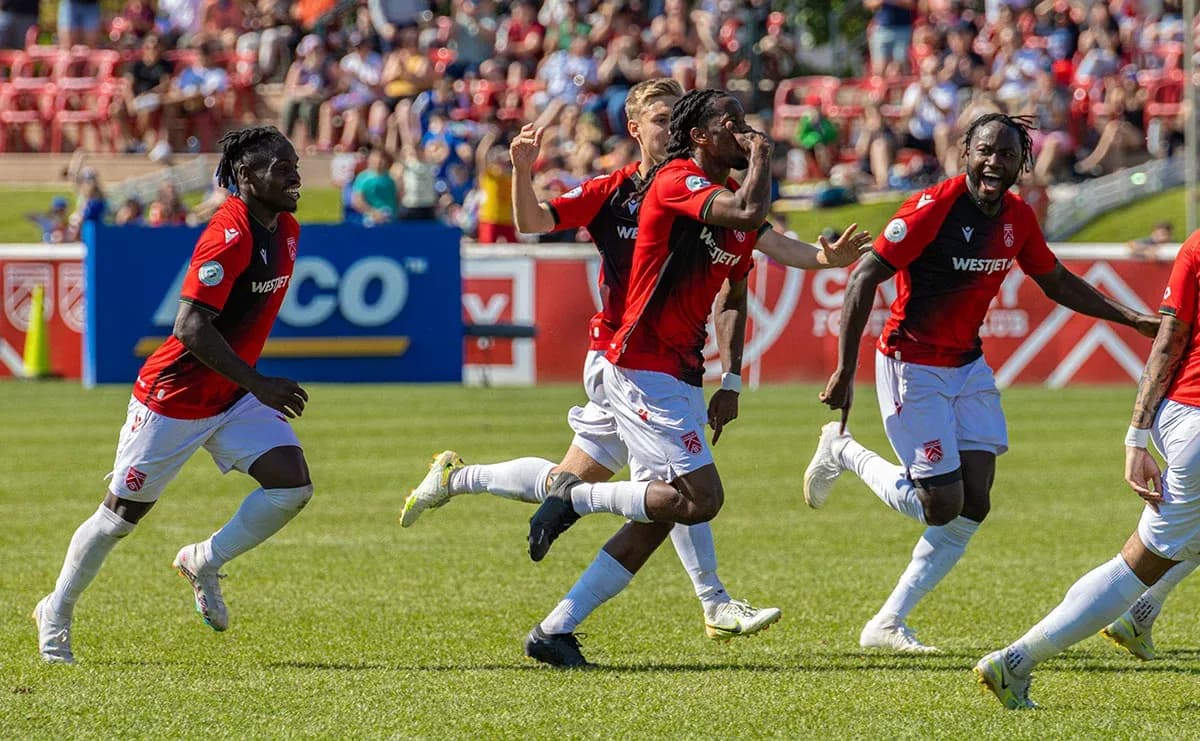
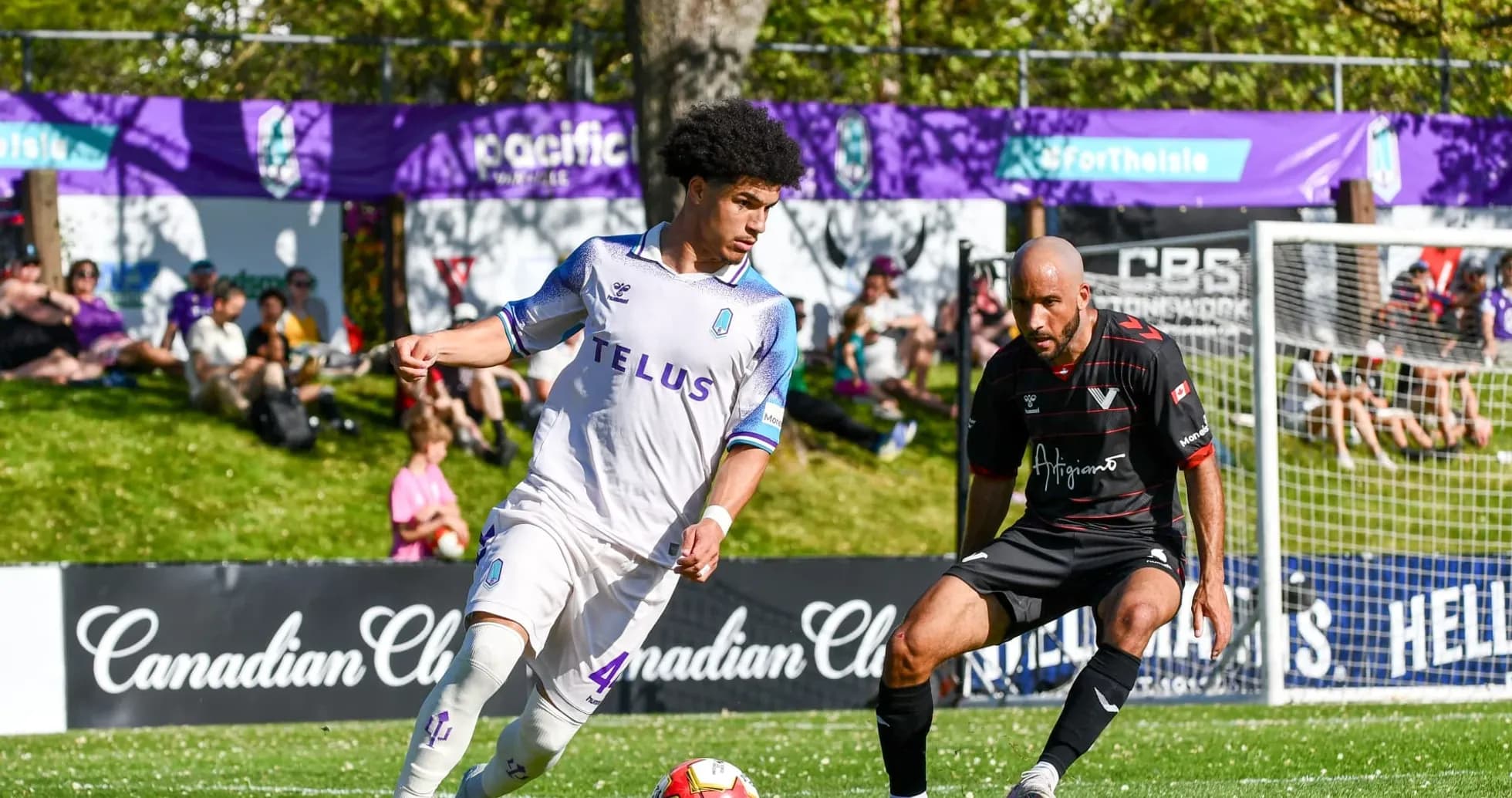
Under the Starlight Stadium floodlights, this all-B.C. derby in the Canadian Premier League told a stark story about two clubs heading in opposite emotional directions. Following this result, Pacific FC remain rooted to the bottom end of the table in 8th with just 1 point from 5 matches, while Vancouver FC climb to 6th on 4 points, carrying the momentum of a rare statement win on their travels.
The 3–1 scoreline in favour of Vancouver fits neatly into each side’s seasonal DNA. Pacific’s campaign has been defined by fragility at home: 4 defeats from 4 at Starlight, with 4 goals scored and 9 conceded. Their overall goal difference sits at -5, the product of 6 goals for and 11 against. Vancouver, by contrast, have been more comfortable away than at home; on their travels they now have 1 win, 1 draw and 1 loss, with 4 goals scored and 3 conceded, and an overall record of 4 goals for and 5 against (goal difference -1). This derby, then, became a clash between a side unable to turn home support into security and one slowly discovering its bite on the road.
Pacific XI
James Merriman’s Pacific XI blended familiar creative hubs with a back line still searching for cohesion. S. Melvin started in goal behind a defensive group that included J. Belluz and the highly rated D. Konincks, supported by C. Greco-Taylor. Ahead of them, R. Juhmi and T. Gomulka were tasked with stitching phases together, while the attacking burden fell on M. Bustos between the lines and the front pairing of A. Daniels and A. Díaz.
The structural issue for Pacific has been clear all season: they concede too easily at home. Heading into this game they were allowing an average of 2.3 goals per match at Starlight, while scoring just 1.0. Without a settled defensive unit or a consistent shield in front of it, they are constantly playing from behind, and the early concession here – reflected in a 0–1 half-time deficit – only deepened that pattern. Even with Konincks’ quality on the ball (134 passes in the league with 89% accuracy and 1 assist in total) and his ability to step into midfield, the spaces left behind have been ruthlessly exploited.
Vancouver Setup
Vancouver coach Martin Nash arrived with a more balanced, compact setup. C. Irving in goal was protected by a back line featuring M. Doner, M. Campagna, T. Field and P. Gee. In midfield, the heartbeat was M. Polisi, one of the league’s most influential and combative figures so far. His league profile – 3 yellow cards, 3 tackles, 1 interception and 1 blocked shot, with 90% passing accuracy and 1 key pass – underlines a dual role: tempo-setter in possession, enforcer without it. Around him, the likes of E. Fotsing, A. Traore and N. Mezquida provided running and technical quality, with M. Amissi and T. Campbell offering penetration in the final third.
Tactical Trends
Tactically, the voids on Pacific’s side are as much about discipline and control as about personnel. Their season-long card profile shows a worrying trend: 38.46% of their yellow cards arrive between 91–105 minutes, and a further 30.77% between 61–75 minutes. Red cards are split between 76–90 and 91–105 minutes, each accounting for 50% of their total reds. That late-game volatility reflects a team chasing matches, overcommitting, and losing emotional control. Figures like J. Heard (1 red card in just 79 minutes) and the disciplinary record around J. Belluz underline a squad walking a fine line when games become stretched.
Vancouver’s yellow-card distribution is more even but still spikes in the final half-hour: 22.22% of their yellows come between 61–75 minutes, 22.22% from 76–90, and another 22.22% from 91–105. They are not shy in the challenge, yet crucially they have avoided red cards so far. Polisi, with 3 yellows but no dismissals, exemplifies that controlled aggression.
Scoring Threats
The “Hunter vs Shield” matchup in this derby was unusually inverted. Pacific’s top scoring threats, on paper, are not forwards but a defender and rotation attackers: Konincks, Díaz and Bul Juach each have 1 goal overall. Díaz, with 5 appearances, 1 goal and 2 fouls drawn, is still searching for the ruthless streak expected of a leading striker. Juach has been an impact option – 4 appearances from the bench, 1 goal from just 1 shot on target – but started here among the substitutes, limiting Pacific’s ability to change the rhythm early.
Against that, Vancouver’s defensive “shield” has been quietly solid: just 5 goals conceded in total, 3 of them away, for an away average of 1.0 goal against per match. That resilience underpinned their plan: defend compactly, trust Irving, and allow their front line to play in transition. The 3 goals they produced at Starlight effectively matched their best away attacking output of the season (their biggest away win had been 1–3), confirming that this performance was no anomaly but a continuation of an emerging identity.
Midfield Battle
In the “Engine Room” battle, Pacific’s midfield lacked a true dominator. R. Juhmi’s season numbers – 52 passes with 78% accuracy, 2 tackles and 2 yellow cards – point to a willing but still-developing presence. Without M. Baldisimo, whose 94% passing accuracy and blend of tackles, blocks and interceptions have previously given Pacific a platform, the home side struggled to control the central lanes. Vancouver, by contrast, leaned heavily on Polisi’s capacity to both disrupt and distribute, ensuring their forwards received the ball facing goal rather than with backs to play.
From a statistical prognosis perspective, the result aligns with the underlying trends. Pacific’s total scoring rate of 1.2 goals per match is not enough to offset the 2.2 they concede overall, especially with zero clean sheets and just 1 match in which they have failed to score – a profile of a team that always offers something going forward but rarely locks the door. Vancouver’s more modest attack, at 0.8 goals per match overall, is supported by a tighter defence at 1.0 goal conceded per match. When a porous defence meets a compact, counter-punching side, Expected Goals models tend to favour the latter over 90 minutes, especially if the more fragile team has a history of late-game cards and collapses.
Following this result, Pacific face not just a tactical reset but an identity question: can they build around Konincks’ composure, Baldisimo’s control and the impact of players like Juach to become more than a chaotic, entertaining side? Vancouver, meanwhile, leave Starlight with proof that their away structure, anchored by Irving at the back and Polisi in midfield, can turn narrow statistical margins into decisive derby wins.