Unai Emery's Methodical Approach to Aston Villa's Revival
Unai Emery does not do panic. He prowls the touchline, kicks every ball, waves his arms, but once the dressing-room door shuts, Aston Villa’s players see a different man: cool, clipped, forensic. If anything, he is harsher after a win than a defeat.
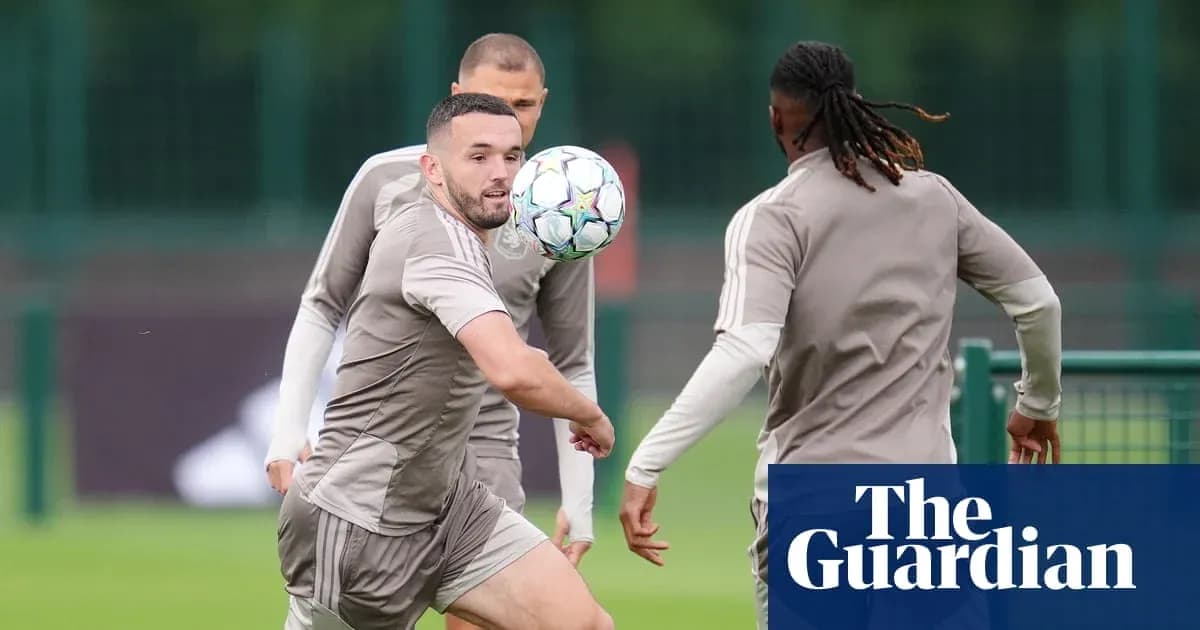
John McGinn remembers the rare moment that veneer cracked. Early in Emery’s reign, the captain tore into teammates at half-time, furious with what he’d seen. Emery snapped – not at the team, but at McGinn. The manager saw wasted energy, emotion without answers. Solutions, not shouting. That is his creed.
Villa behind on points, ahead of schedule
Emery, McGinn and this Villa squad have walked this road already. Only last season, they sat bottom of the Premier League at this stage, pointless and still 157 minutes from their first goal. The mood around the club then felt far darker than now.
This time they at least have a platform. A goalless draw at Hull on Saturday will not live long in the memory, but it offered enough hints – a press that bit, patterns that almost clicked – to lend weight to Emery’s insistence that Villa will come again.
They usually do under him. His tenure has delivered the most productive period the club has known in years. Four straight seasons in Europe was never part of the initial blueprint.
“When we started the project here, the ambition we had, it was [not even] in our highest expectations to be in Europe four years in a row,” Emery said. “It was very difficult when we started working together but it was the ambition of the owner. We set our standards high with the players to be there and we are. Now is the moment to remember how we got here and the way we did. Now it is a different moment and chapter.”
A new chapter, same method. Under Emery, when results dip, the work intensifies.
The meetings, the details, the “robots”
Last season, Villa did not win a game in any competition until their seventh outing. The breakthrough came in Europe, McGinn scoring the only goal in a Europa League victory over Bologna.
The day had started as so many do under Emery. Players filed in around 11.30am for another deep-dive opposition analysis session, the kind that has become so ingrained McGinn jokes they now “walk in like robots”. It is not glamour; it is repetition.
Emery zooms in on positioning, distances, angles. Nothing escapes the video screen. Jhon Durán – now on loan at Benfica from Al-Nassr after spells with Fenerbahce and Zenit St Petersburg – is still remembered as the only player to have asked to leave a meeting mid-flow.
The message never changes: get the details right and the rest will follow.
On Tuesday, Villa meet Club Brugge for the fourth time in two years. The setting is familiar. So is the hope that Europe again becomes the spark.
After that Bologna win last September, Villa ripped through opponents, rattling off 17 wins in 19 matches. Half of the 14 players involved that night have since moved on, but one who remains, Emiliano Buendía, believes this reshaped squad can find a similar surge.
“It has not been the start we wanted, but we are trying to take the positive things from every match,” said the Argentinian, who has started all four Villa games this season. “We will try to change this momentum in terms of results and try to get our confidence back to perform well and [achieve] the results we want.”
Europe as Emery’s masterpiece
Another Champions League campaign should not be treated as routine. Returning to this level, off the back of winning the Europa League, stands as arguably Emery’s finest work in Birmingham. His rebuild has altered the club’s horizons and its travel plans.
The scale of that journey will be on the minds of Villa fans as they drift across the cobbles of Bruges, and again when they land in Barcelona in November. These are the nights the owner dreamed of when Emery walked through the door.
The coach himself looks energised by the next phase. The workload is relentless, but he has found his own coping mechanisms at Bodymoor Heath.
“Sometimes I need a good nap, after intensive work in the morning,” he said last week, smiling.
The schedule is intense; the football has not yet matched it. So far this league campaign, George Hemmings’s 13th-minute shot at Hull is Villa’s only effort on target. One shot, one teenager carrying the attacking threat.
Hemmings, 19 and signed from Nottingham Forest at 16, also slipped Buendía in for Villa’s best chance in that game. The miss lingered. So did the feeling that, beneath the rust, something is starting to stir.
It is easy to fixate on the flaws. It would be lazy to ignore the context.
A slow start, but not a soft one
Villa pushed Paris Saint-Germain hard in the Super Cup less than a month ago. Emery called PSG the best team on the planet, and his side went toe-to-toe before losing. Since then, the squad has only grown deeper.
Among 11 summer signings, Ibrahim Mbaye stands out as one of the most intriguing. The 18-year-old, an unused substitute for PSG in Salzburg, watched on at Hull but will not be on the fringes for long if he adapts quickly.
Johan Manzambi, another fresh face, is edging back from a knee injury and could be involved as early as Saturday against Nottingham Forest. His return would add another option to a squad still knitting itself together.
Only two of the new arrivals started at Hull – goalkeeper Zion Suzuki and forward Nicolas Jackson. Matteo Ruggeri, Aaron Wan-Bissaka and Alejandro Garnacho all came off the bench, a reminder of how much firepower Emery has to blend into his system.
Taylor Harwood-Bellis, a £25m signing, did not even make the Champions League squad and watched from the stands in Yorkshire. João Gomes’s debut ended with a red card. Leon Goretzka, brought in on a free after leaving Bayern Munich, will not play until at least October because of a knee setback.
It is a lot of moving parts. Emery has never been a manager to simply throw them all in and hope.
Youri Tielemans is the template. He waited four months for his first Villa start, then became one of Emery’s non-negotiables. Integration comes slowly, then suddenly.
The manager sets the same standard for himself. He bristles at the idea that this is a transitional year.
“In football, if you are expecting transition, maybe you are not in the right way,” he said last month. “We have to rebuild the team as fast as possible. I don’t know if we need time or not. We are progressing – still not enough because we are not getting good results – but tomorrow is a new test in Europe.”
The numbers say Villa are stuck. Emery’s history says they are loading. Bruges will reveal which story starts to win.