Udinese vs Parma: Key Mid-Table Clash in Serie A
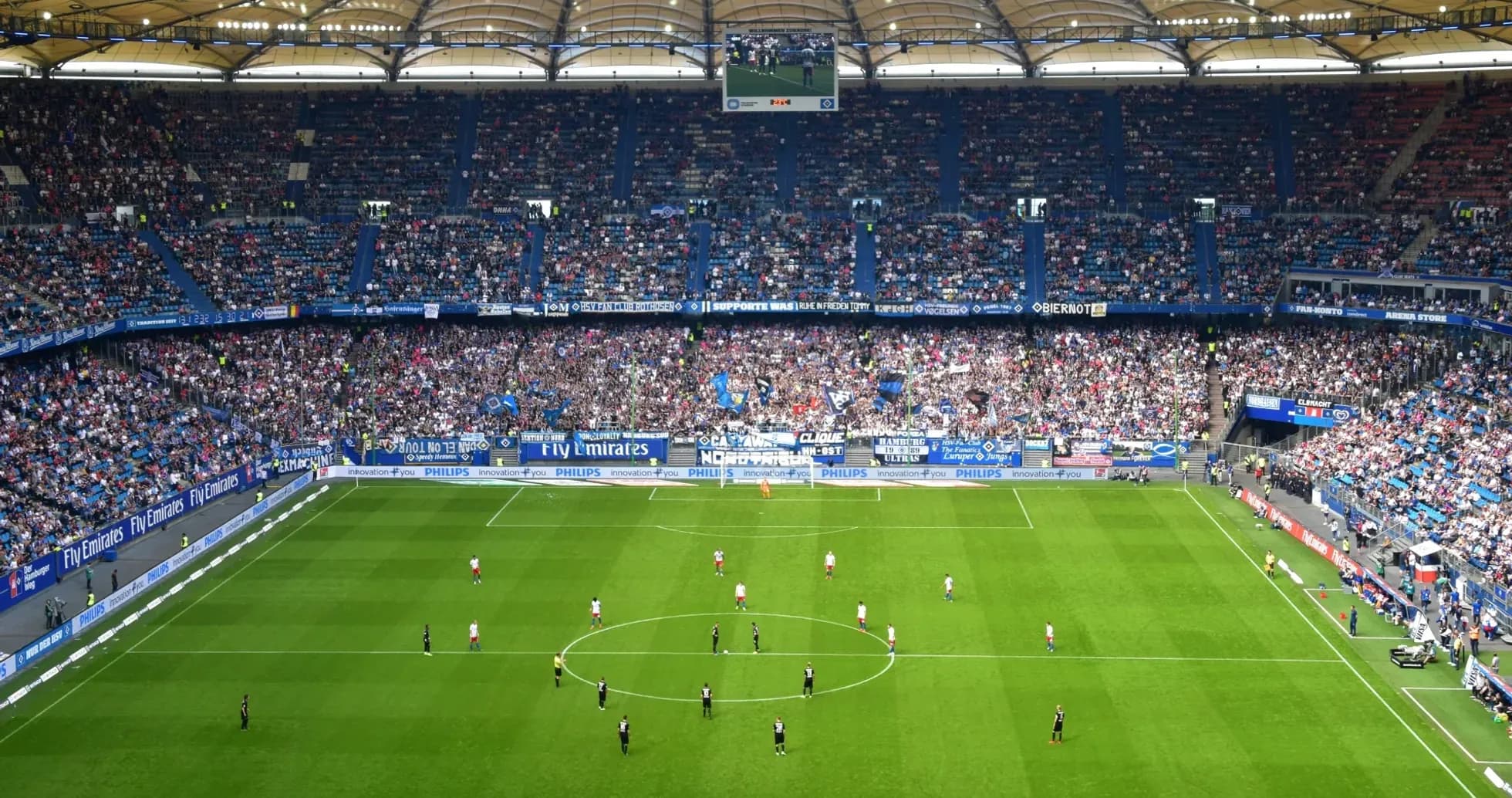
Bluenergy Stadium – Stadio Friuli stages a quietly pivotal mid‑table clash in Serie A as 10th‑placed Udinese host 14th‑placed Parma in April 2026. With Udinese on 43 points and Parma on 36 after 32 games, both are clear of immediate relegation danger but still chasing a top‑half finish and the financial and sporting rewards that come with it. For the hosts, this is a chance to consolidate a solid season; for the visitors, it is about stopping a slide before they are dragged any closer to the bottom pack.
Context and stakes
In the league, Udinese arrive with a mixed but generally positive trajectory. Their all‑phase record reads 12 wins, 7 draws and 13 defeats, with a goal difference of -4 (38 scored, 42 conceded). That is mid‑table in pure numbers, but the recent form line of “WDWLD” suggests a side that has been difficult to beat and capable of stringing results together.
Parma, in contrast, sit four places and seven points further back. Their 8 wins, 12 draws and 12 losses with a -17 goal difference (23 for, 40 against) paint the picture of a low‑scoring, defensively vulnerable team whose season has been built on draws rather than decisive wins. Their current form sequence “DDLLD” underlines a stutter: just three points from the last five league matches and no victory in that run.
With six games left, Udinese know that three points here would all but secure a top‑half push. Parma, meanwhile, must arrest their run of poor results to avoid turning a comfortable mid‑table season into a nervous finish.
Tactical landscape
Udinese’s season statistics point to a side that leans on structure and flexibility. Across all phases they have used a back three as the base in the majority of games: 3‑5‑2 has been deployed 18 times, with 3‑4‑2‑1 a secondary option (6 matches). They have also occasionally switched to back‑four systems like 4‑4‑2 and 4‑4‑1‑1, but the identity is clear: three centre‑backs, wing‑backs providing width, and a centre‑forward pairing or a lone striker supported by two attacking midfielders.
At home, Udinese’s record is balanced: 5 wins, 5 draws and 6 defeats from 16 games, with 16 goals scored and 19 conceded. They average 1.0 goal for and 1.2 against per home match, numbers that suggest tight, controlled contests rather than shoot‑outs. Nine clean sheets across all phases (5 at home) show that when they get their defensive structure right, they can shut games down. However, they have also failed to score eight times, including five at home, which hints at occasional sterility in the final third.
Parma mirror Udinese’s base shape in many matches. Their most common formation is also 3‑5‑2 (14 games), supplemented by 4‑3‑3, 3‑4‑2‑1 and 3‑1‑4‑2. This symmetry sets up an intriguing tactical battle: two three‑at‑the‑back systems, both reliant on wing‑backs and central overloads, trying to out‑manoeuvre each other in the same zones.
Parma’s away record is quietly respectable: 5 wins, 6 draws and 5 defeats from 16, with 11 goals scored and 18 conceded. The numbers underline their identity: extremely low‑scoring games. They average just 0.7 goals for and 1.1 against away, and across all phases they have yet to be involved in a match that went over 2.5 goals by their own scoring metrics – their goals‑for under/over table shows 0 matches over 2.5 and 32 under 2.5. This is a team that keeps things tight, often at the cost of attacking threat: they have failed to score 14 times overall, split evenly home and away.
Defensively, Parma’s issues are about concentration and late‑game resilience. Their goals‑against minute distribution shows a worrying pattern: 21.95% of goals conceded between minutes 61‑75 and 24.39% between 76‑90. Almost half of their goals shipped come in the final half‑hour, which could be decisive against an Udinese side that can introduce fresh legs in attacking areas.
Discipline may also shape the match. Udinese’s yellow cards spike between 61‑75 minutes (27.42% of their bookings), a sign of aggressive pressing or fatigue fouls as games open up. Parma, meanwhile, have collected multiple red cards, notably in the 31‑45, 61‑75 and 76‑90 ranges. In a tight tactical duel, a dismissal could tilt the balance dramatically.
Set‑pieces and penalties could be another edge for the hosts. Udinese have a 100% penalty conversion rate this season (5 scored from 5, with no misses), while Parma have also been perfect from the spot but with fewer opportunities (2 from 2). Any marginal decision in the area is likely to be punished.
Key players
For Udinese, Keinan Davis has been the focal point of their attack and one of Serie A’s standout performers this season. With 10 goals and 3 assists in 27 appearances, he accounts for more than a quarter of Udinese’s league goals. His underlying numbers back up the headline figures: 35 shots, 22 on target, 27 key passes and 43 dribble attempts with 30 successes show a centre‑forward who is not just a finisher but a complete attacking reference point.
Davis’s physical profile – 191cm tall, strong in duels (302 contests, 143 won) – makes him ideal for Udinese’s three‑at‑the‑back system. He can hold up play, bring wing‑backs and midfielders into the game, and attack crosses. His penalty record is spotless this season (4 scored, 0 missed), adding another layer of threat.
For Parma, Mateo Pellegrino is the primary goal source. The 24‑year‑old has 8 goals and 1 assist in 31 appearances, a significant share of a team that has scored just 23 times. He is heavily involved in the physical battle up front: 476 duels contested, 205 won, and 74 fouls committed underline a combative, sometimes abrasive style. He also draws plenty of fouls (58), which can bring set‑piece opportunities into play.
Pellegrino’s shooting numbers (47 shots, 20 on target) show a willingness to pull the trigger, but his team’s low scoring output suggests he often operates in isolation. If Parma are to threaten in Udine, they will need to get runners around him and support from deeper positions in their 3‑5‑2 or 3‑4‑2‑1 structures.
Head‑to‑head narrative
Recent competitive history between these clubs tilts clearly towards Udinese. The last five Serie A meetings (all competitive, no friendlies) read:
- Parma 0‑2 Udinese in November 2025
- Udinese 1‑0 Parma in March 2025
- Parma 2‑3 Udinese in September 2024
- Parma 2‑2 Udinese in February 2021
- Udinese 3‑2 Parma in October 2020
Across these five matches, Udinese have 4 wins, Parma have 0, and there has been 1 draw. Notably, Udinese have won the last three in a row, twice away and once at home, often in high‑drama fashion – twice coming out on top in 3‑2 thrillers and once grinding out a 1‑0 at Friuli.
The pattern is clear: Udinese have repeatedly found ways to hurt Parma, especially in transition and late in games. For Parma, this fixture has been a source of frustration, with leads surrendered (as in the 2‑3 home loss in 2024) and narrow defeats compounding their struggles.
The verdict
All indicators point towards a tight, tactical contest rather than an open shoot‑out. Udinese’s home matches are generally low‑margin affairs, and Parma’s season has been defined by under 2.5‑goal games, especially away. Parma’s defensive frailties late in matches, combined with Udinese’s superior individual quality in attack through Keinan Davis, give the hosts a clear edge.
Udinese’s recent form, stronger goal output (38 vs Parma’s 23 across all phases), and dominant recent head‑to‑head record suggest they are better equipped to manage the key moments. Parma’s respectable away resilience means this is unlikely to be a rout, but their lack of cutting edge and vulnerability in the final third of games are hard to ignore.
Logical expectation: Udinese to control territory and chances, Parma to stay compact and look for Pellegrino on breaks and set‑pieces. Over 90 minutes, the balance of evidence favours a narrow home win, most likely in a low‑scoring game decided by a single goal – with Davis the likeliest difference‑maker.