Why Tottenham's Summer Transfers Might Be Among the Worst in Premier League History
The start of the Premier League season offered football fans a dose of familiar disappointment and schadenfreude. One club, in particular, stands out with a transfer window that might be remembered as one of the worst ever: Tottenham Hotspur.
The arrivals of Omar Marmoush and Savinho this summer sum up a troubling trend. Comparisons are already being drawn to the infamous 2014 summer, when Spurs spent recklessly after Gareth Bale's exit to Real Madrid. That period took years for the club to recover from. While it’s too soon to declare Tottenham's 2026/27 season doomed, early signs suggest this could mark a turning point.
Close to £350 million has been poured into new signings, with much of the spending looking questionable. The poor performance against Brentford only reinforced these concerns.
Mixed Successes, Mostly Disappointments
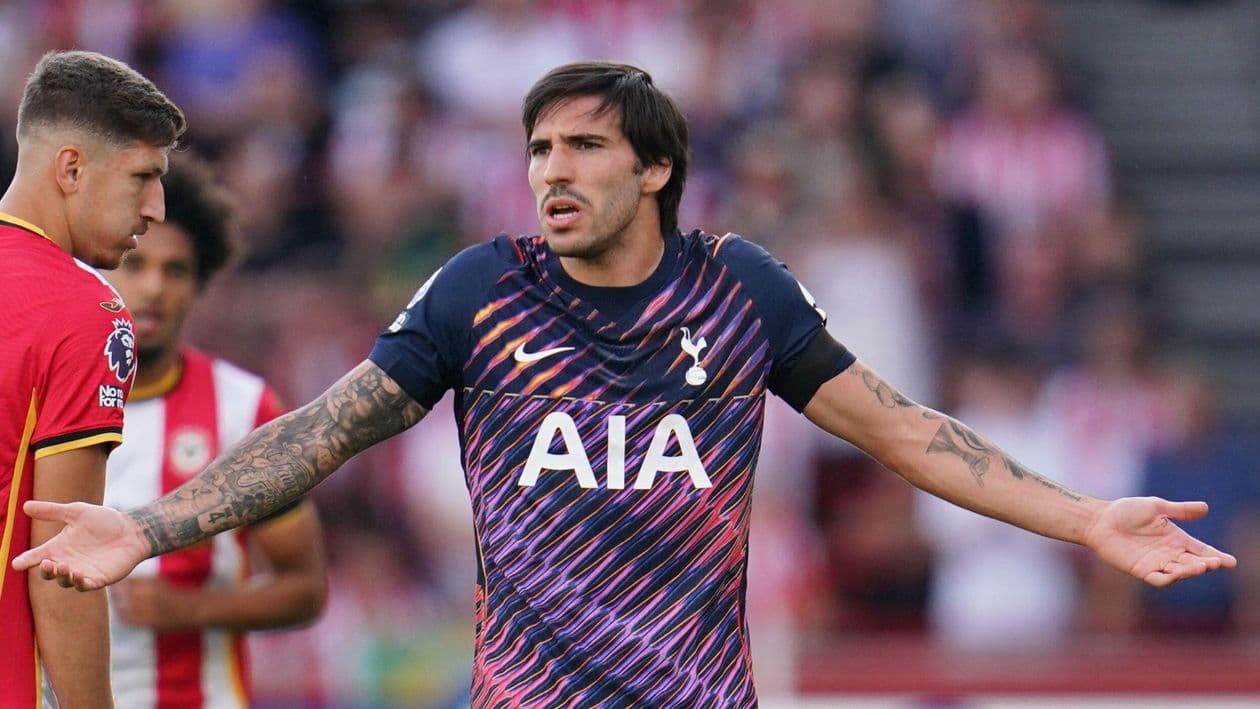
- Sandro Tonali: A solid midfielder but not worth more than £60 million.
- Jan Paul van Hecke: Experienced and familiar to manager Roberto de Zerbi, but negotiating with Brighton requires caution—straight swaps may be traps.
These two could be considered modest successes. Beyond them, the picture is bleak.
- Omar Marmoush: Showed promise during a brief six months at Frankfurt, but hasn’t settled into a clear role.
- Savinho: Lacks consistency and impact on the pitch.
- Mateus Fernandes: Has struggled in the Premier League, facing relegation twice recently.
- Andrew Robertson: Once a Liverpool regular, now a puzzling choice to replace Djed Spence, who left for Inter Milan.
- Marcos Senesi: Looks decent but benefits greatly from Andoni Iraola’s coaching style, similar to Dominic Solanke’s case.
In total, over £360 million has been spent on players who don’t clearly improve the squad. Many have shaky reputations and their combined market value likely does not exceed £200 million. High transfer fees come with even higher wages, adding to the financial strain.
Managerial Gamble
Roberto de Zerbi is the highest-paid club manager worldwide, which is a significant risk given his mixed record and temperamental nature. After the heavy defeat by Brentford, he openly criticized his team’s lack of fight, stating they did not compete properly.
"They didn’t fight in the right way," De Zerbi said following the match.
His words echoed what many fans felt. Tottenham looked listless with the ball, sloppy in possession, and easily beaten off it. Their performance resembled that of teams known for fragility and disorganization.
Only a missed penalty prevented a larger defeat. The scoreline could have been far worse.
Pressure Mounts for Tottenham
Similar upheaval affected clubs like Aston Villa, but Tottenham needs a strong start to support De Zerbi's vision and shake off the mental fragility that's plagued the team lately. A couple more poor results could plunge the club into despair, reminiscent of past struggles under previous managers.
The absence of Champions League football gives De Zerbi time to work tactically during the week. This can be a blessing or a burden, depending on how well the squad performs on weekends. Ultimately, the squad quality will determine success.
Spending three years’ worth of budget in a single window means the stakes are high. It must pay off, yet early signs suggest otherwise.
Overspending Illusions
In a rush to prove change after Daniel Levy's departure, Tottenham’s transfer committee seems to believe that a big price tag guarantees top talent. This fallacy is costly.
Players like Tonali, Fernandes, Marmoush, and Savinho were acquired for fees fitting elite stars but appear to be second-tier talents. While not as disastrous as the post-Bale splurge on Soldado, Paulinho, and Lamela, failure this season could deepen Tottenham's crisis, with lasting consequences.