Sunderland vs Manchester United Preview: Premier League Clash
Sunderland host Manchester United at the Stadium of Light on 9 May 2026 in a Premier League clash where the stakes are very different for each side. Sunderland sit 12th on 47 points (goal difference -9), effectively safe and playing for a top-half push, while United arrive in 3rd with 64 points and a Champions League place to secure. The market and prediction models both lean towards the visitors, but with a notable chance of a stalemate.
Form-wise, Manchester United clearly carry the stronger overall profile. Across 35 league matches they have 18 wins, 10 draws and 7 defeats, scoring 63 and conceding 48. Sunderland are more mid-table: 12 wins, 11 draws, 12 losses with 37 scored and 46 conceded. The prediction model’s comparison gives United the edge in form (59% vs 41%), attack (56% vs 44%) and defence (61% vs 39%), underlining a consistent superiority.
Recent momentum also favours United. In their last five, they show a 67% form index, averaging 1.8 goals for and 1.4 against. Sunderland’s last-five form is at 47%, with 1.4 scored and a concerning 2.2 conceded on average, pointing to defensive vulnerability. At home over the whole campaign, Sunderland have been solid (8 wins, 5 draws, 4 losses, 23:19 goals), but United’s away record (6 wins, 7 draws, 4 losses, 27:26 goals) shows they are competitive on the road and rarely outplayed, even if they do draw frequently.
Stylistically, Sunderland’s attack is modest at 1.1 goals per game overall, with a strong late-scoring pattern: 61-75 minutes (27.78% of goals) and 76-90 (30.56%). They can grow into games, which matters for in-play bettors. Defensively, though, they concede 1.3 per match and are exposed early and late, with high concession shares in the first 15 minutes and between 76-90.
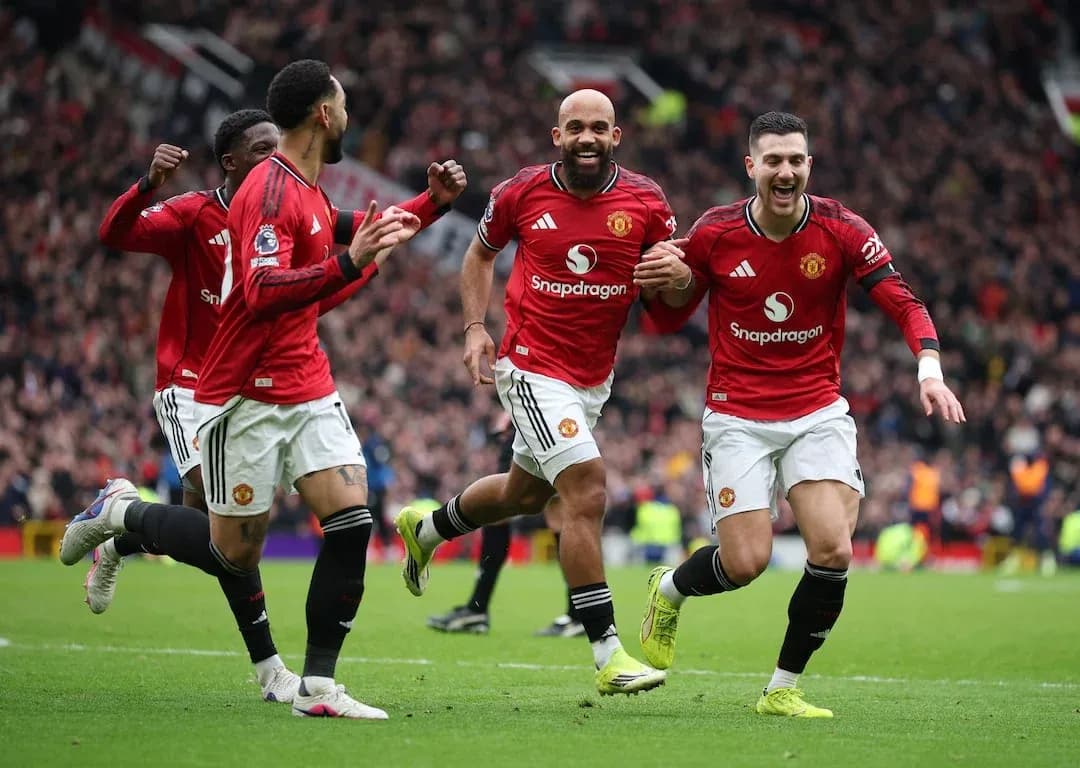
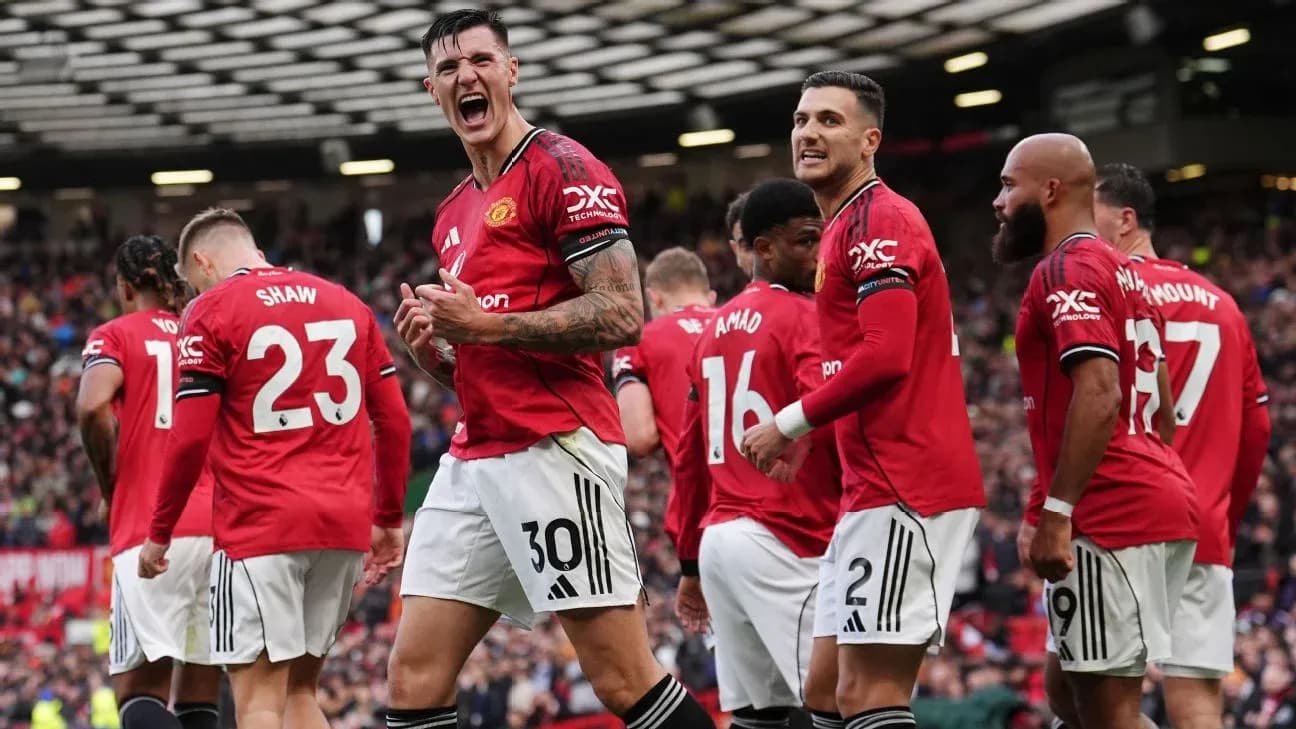
United, by contrast, are more potent at 1.8 goals per match, with balanced threat across the match and a particularly strong final quarter (24.19% of goals between 76-90). Their defensive average of 1.4 conceded is not elite, but their attacking firepower, led by the likes of Benjamin Šeško, Bryan Mbeumo, Matheus Cunha and a high-creation hub in Bruno Fernandes (19 assists), usually compensates.
Head-to-Head Record
Head-to-head in the Premier League strongly favours United. The last league meeting on 4 October 2025 at Old Trafford ended Manchester United 2–0 Sunderland. Looking further back in the league only (excluding League Cup), United have won five of the last seven: 3–0 at Old Trafford on 26 September 2015, 2–0 at Old Trafford on 28 February 2015, 3–1 at Old Trafford on 26 December 2016, 3–0 at the Stadium of Light on 9 April 2017, and that 2–0 home win in 2025. Sunderland’s notable league wins in this period came 2–1 at the Stadium of Light on 13 February 2016 and 1–0 at Old Trafford on 3 May 2014, plus a 1–1 home draw on 24 August 2014. Overall in recent Premier League meetings listed, United hold a clear advantage in wins and goals, and they have taken the last two league encounters comfortably.
Prediction and Betting Perspective
The model’s prediction is explicit: Manchester United are rated as the likely winner, but with a strong draw component. The official advice is “Double chance: draw or Manchester United”, with probabilities at 10% home, 45% draw, 45% away. That aligns neatly with the market: across bookmakers, United are around 1.90–1.97 to win, Sunderland around 3.70–4.04, and the draw roughly 3.60–3.84. Implied odds and the prediction engine both see Sunderland as clear underdogs but not without a chance to frustrate.
From a betting perspective, the standout value-aligned angle is to follow the model’s advice. The safest data-backed play is:
- Primary bet: Double chance – Draw or Manchester United. It mirrors the 90% combined probability assigned to non-home outcomes and fits United’s strong underlying metrics plus their relatively high away-draw rate.
Given Sunderland’s respectable home record and United’s tendency to concede, a full United win at around 1.90–1.97 is plausible but carries more risk than the model suggests is necessary. The double chance position best reflects the statistical edge while cushioning against a late Sunderland equaliser or a tight, low-margin match.