Sunderland vs Manchester United: Premier League Clash Preview
The Stadium of Light stages a classic Premier League clash on 9 May 2026 as mid‑table Sunderland host top‑four chasing Manchester United. With three games left in the league phase, the stakes are very different: Sunderland, 12th on 47 points, are closing in on a solid return to the top flight, while United, 3rd with 64 points, are trying to lock in Champions League qualification and keep pressure on the sides above.
Both arrive with something tangible to play for. Sunderland’s recent surge (form in the league: DLLWW) has eased any lingering relegation concerns and opened the door to a top‑half finish. United’s run (WWWLD) has propelled them into the top three, but a slip here could drag them back into a scrap for those Champions League places.
TACTICAL LANDSCAPE
Sunderland’s season profile underlines a pragmatic, flexible approach. Across all phases they have used six different formations, but the backbone has been 4‑2‑3‑1 (18 starts), with occasional shifts to 4‑3‑3 and back fives when protecting leads. At home they have been quietly efficient: 8 wins, 5 draws and only 4 defeats from 17, with a positive goal balance (23 scored, 19 conceded).
Their numbers tell the story of a side built on structure and moments rather than sustained attacking waves. Sunderland average 1.1 goals per game in the league (1.4 at home) and concede 1.3 (1.1 at home). They have kept 10 clean sheets across all phases and failed to score 12 times, suggesting that when their attacking patterns misfire they can look blunt, but when they click they are difficult to break down.
Defensively, the absence of D. Ballard through suspension (red card) is significant. He has been central to their back line, and without him Sunderland may have to lean further into a conservative shape, perhaps reverting to a back five (5‑4‑1) which they have already used five times this season. That would help shield the centre‑backs and protect against United’s multi‑threat attack.
On the flanks and in the half‑spaces, Sunderland’s approach is likely to be cautious but opportunistic. With R. Mundle ruled out (hamstring injury) and several attacking options listed as questionable – N. Angulo (muscle injury), S. Moore (wrist) and B. Traore (knee) – their ability to rotate and inject pace from the bench is compromised. Expect a compact mid‑block, patient possession, and a premium placed on set‑pieces. Their biggest home win this season (3‑0) hints at what happens when they get the first goal and can counter into space.
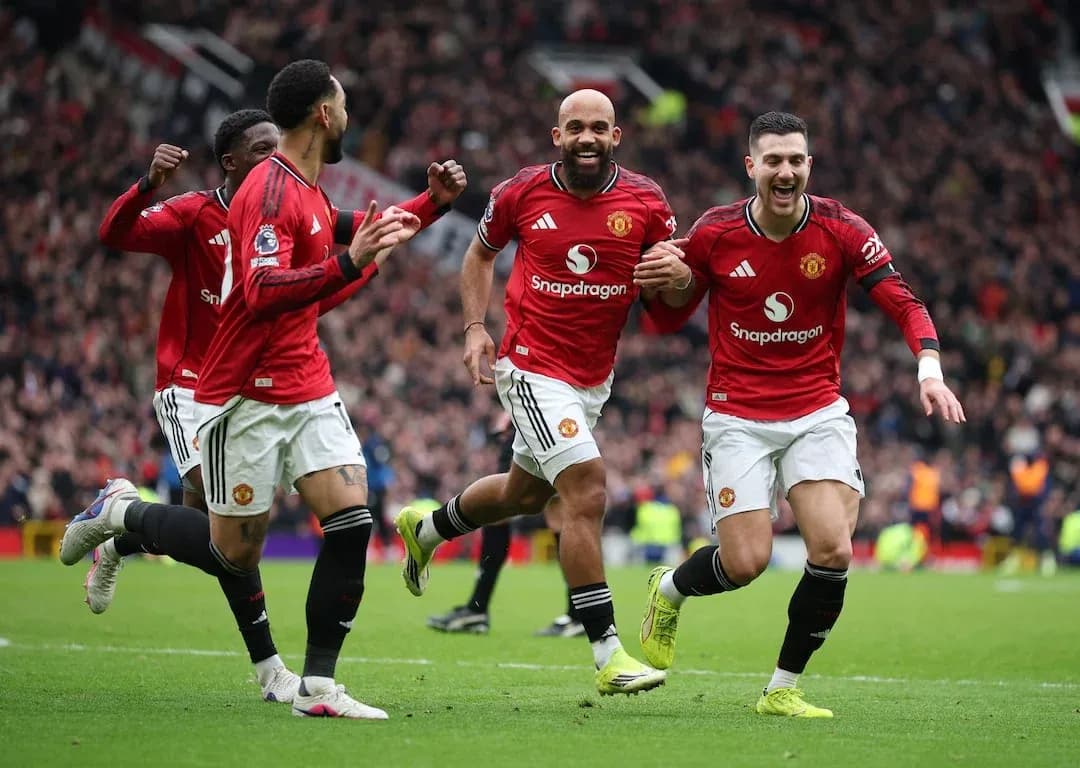
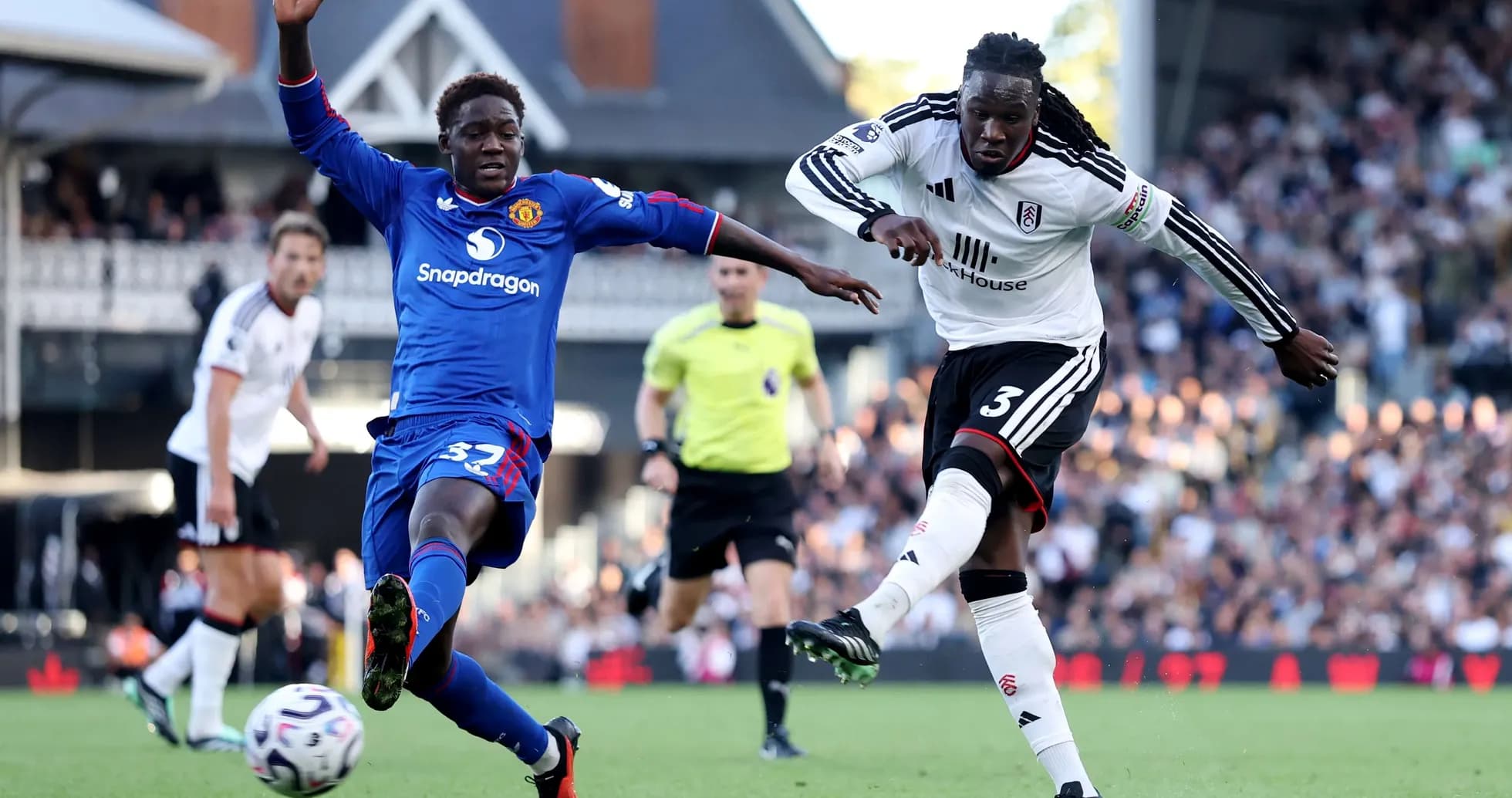
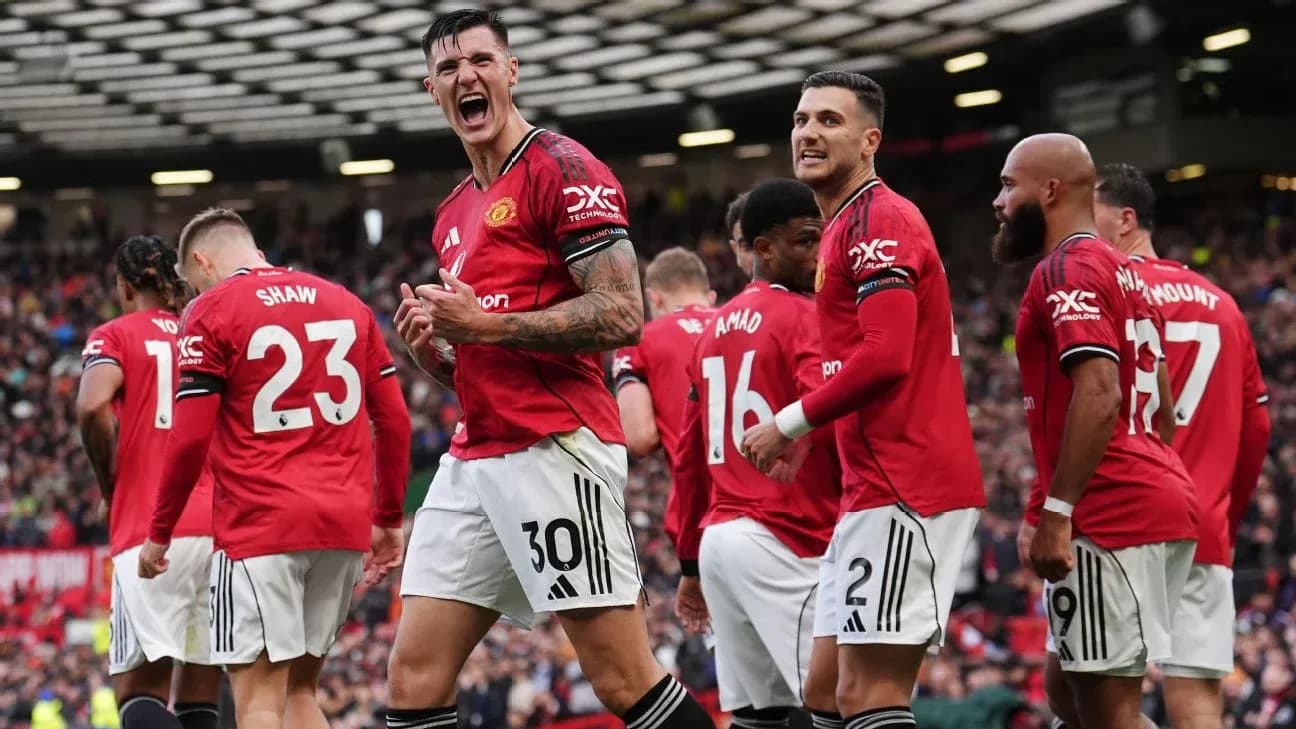
Manchester United, by contrast, travel north as one of the division’s more expansive outfits. Across all phases they have scored 63 goals in 35 league matches (1.8 per game), with a healthy 27 of those away (1.6 per game). They also concede at a relatively high rate (48 in total, 1.4 per game), reflecting a team that plays on the front foot and leaves space to attack.
Tactically, United have largely alternated between 3‑4‑2‑1 (18 times) and 4‑2‑3‑1 (17 times). The back‑three system has often been used to release wing‑backs and overload the final third, but the absence of M. de Ligt (back injury) removes one of the natural anchors for that shape. That could tilt the balance towards a back four, especially away from home, where they have 6 wins, 7 draws and 4 defeats, scoring 27 and conceding 26.
In possession, United’s threat is well spread. Benjamin Šeško leads their league scoring charts with 11 goals in 30 appearances, despite starting only 17 matches. His 34 shots on target from 51 attempts underline a penalty‑box striker who generates high‑quality chances. Crucially, his penalty record in the league is neutral – 0 scored, 0 missed – so any spot‑kick narrative around him has to focus on open‑play finishing rather than work from the spot.
Around him, the attacking structure is rich. Bryan Mbeumo has 9 goals and 3 assists, operating as a wide forward or second striker, with 46 key passes and 54 shots showing his dual role as creator and finisher. Matheus Cunha mirrors that output with 9 goals and 2 assists, but brings a different profile: 88 dribble attempts (41 successful) and 51 fouls drawn, making him a constant menace between the lines. Both have won penalties (Mbeumo 1, Cunha 2), though neither has converted one in the league; United’s perfect 4‑from‑4 team penalty record suggests others have taken responsibility from the spot.
Behind them, Casemiro has been a standout two‑way presence: 9 goals and 2 assists from midfield, with 88 tackles, 27 blocks and 30 interceptions. His ability to step into advanced areas is a key reason United often commit numbers forward, but his 9 yellow cards and one yellow‑red underline the disciplinary risk if Sunderland can force him into defensive recovery runs.
TEAM NEWS AND SELECTION SUBPLOTS
Sunderland’s selection picture is complicated. Beyond Ballard and Mundle being ruled out, three players are officially questionable. That may push the coach towards a more conservative starting XI, with fewer high‑risk fitness calls and a greater emphasis on players who can maintain intensity for 90 minutes.
Manchester United’s main confirmed absentee is M. de Ligt, which directly affects their defensive structure. B. Šeško is listed as questionable with a leg injury, and his availability will heavily shape United’s attacking plan. If he starts, United can maintain their usual vertical threat and penalty‑box presence. If not, they may lean more on Cunha as a central reference point, with Mbeumo and a supporting midfielder or wide forward rotating around him.
HEAD‑TO‑HEAD CONTEXT
Recent competitive history between these clubs tilts strongly towards Manchester United. The last five Premier League meetings (all competitive, no friendlies) show:
- Manchester United wins: 4
- Sunderland wins: 1
- Draws: 0
United beat Sunderland 2‑0 at Old Trafford in October 2025, controlling the match after a 2‑0 half‑time lead. In earlier meetings from 2015–2017, United recorded three more victories (3‑0 in September 2015, 3‑1 in December 2016, 3‑0 at the Stadium of Light in April 2017), while Sunderland’s solitary win in this run came in February 2016, a 2‑1 home success.
The pattern is clear: United have consistently found ways to score multiple goals in this fixture, especially when able to impose their attacking game. Sunderland’s one win in that sequence came when they disrupted United’s rhythm and capitalised on key moments at the Stadium of Light.
THE VERDICT
On paper, this is a meeting between one of the league’s more potent attacks and a disciplined, mid‑table defence that is stronger at home than away. United’s superior firepower – 63 league goals to Sunderland’s 37 – and their spread of threats in Šeško, Mbeumo, Cunha and Casemiro make them deserved favourites, even with defensive absences.
However, there are enough variables to keep this from being straightforward. Sunderland’s home record is robust, their defensive numbers at the Stadium of Light are respectable, and United’s away goal difference (27 for, 26 against) hints at vulnerability. If Šeško is not fully fit, United lose their most natural penalty‑area finisher, and Sunderland’s ability to keep games tight and low‑scoring at home should not be underestimated.
Expect United to dominate territory and shot volume, with Sunderland compact, disciplined and looking to exploit transitions and set‑pieces. Over 90 minutes, United’s attacking depth and recent form give them the edge, but the margins may be finer than the league table suggests. A United win remains the most logical outcome, yet a draw is well within Sunderland’s reach if they can withstand the early pressure and make their home advantage count.