Understanding Spain's National Anthem: La Marcha Real and Its Unique Tradition
Spain's Anthem Stands Apart Without Official Lyrics
La Marcha Real, Spain's national anthem, is unlike most others since it carries no official words. Rather than singing, players and fans listen to the instrumental version before matches. This tradition adds a unique layer to the anthem’s role in Spanish identity.
Origins and Historical Background
Dating back to the 18th century, La Marcha Real began as a military march. It ranks among the oldest anthems still in use worldwide. The title translates to "The Royal March," highlighting its historic ties to the Spanish monarchy and royal ceremonies.
Attempts to Add Lyrics
Over the years, several efforts tried to introduce official lyrics to the anthem. These proposals never gained enough support, influenced by Spain's wide range of languages, cultures, and political views. As a result, the anthem remains purely instrumental during state events and international sports matches.
Significance in Sports
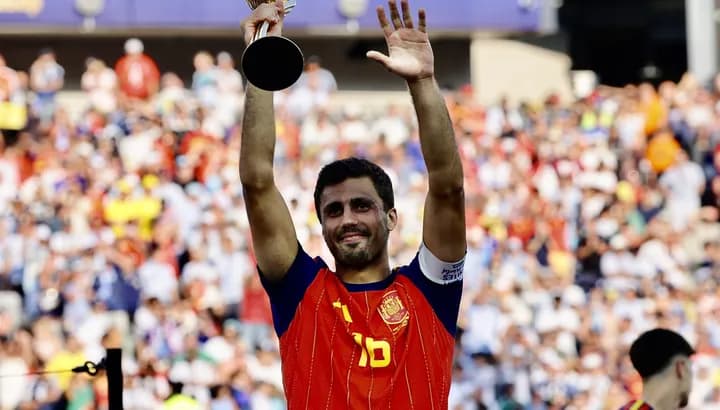
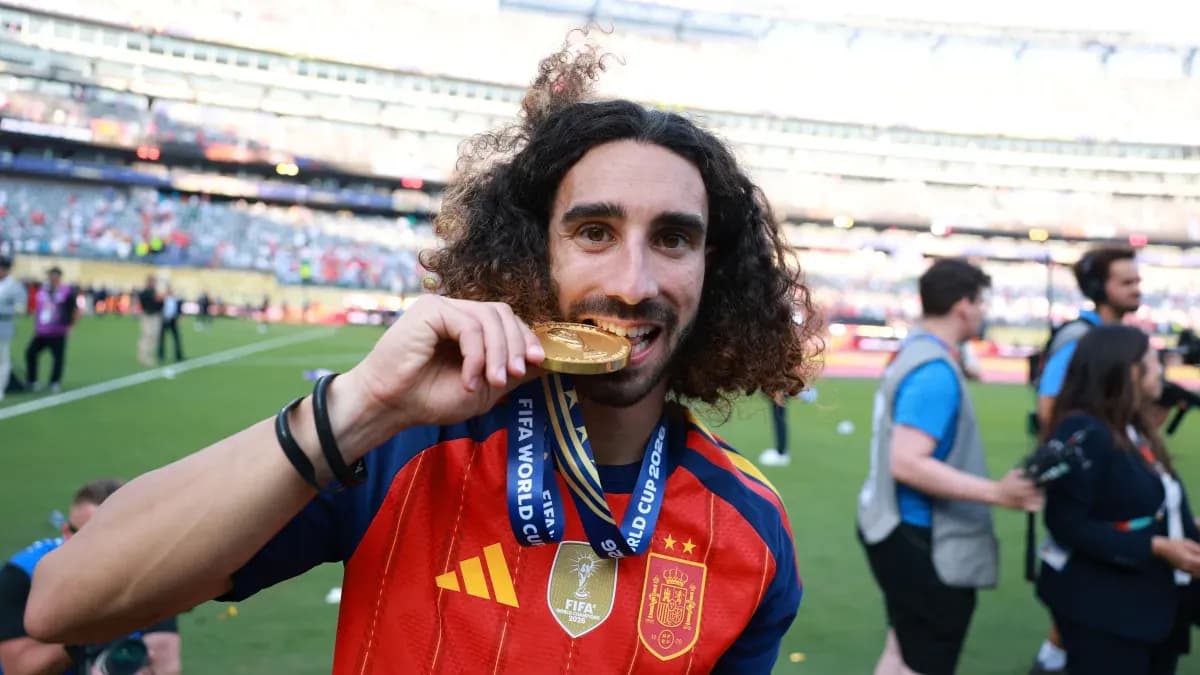
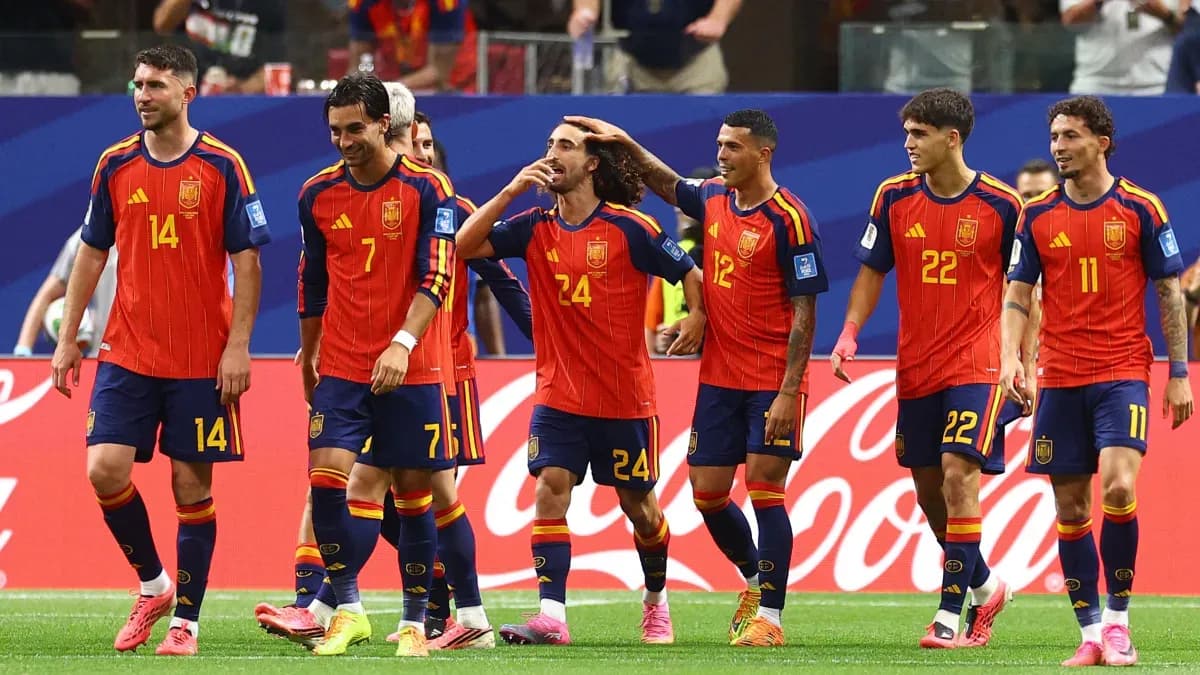
Spain has been a powerhouse in international football for decades. From legends like Iker Casillas and Xavi to current stars such as Rodri and Lamine Yamal, generations have stood proudly during the anthem. Its instrumental presence is a powerful symbol of national pride at events like the FIFA World Cup and UEFA European Championship.
The Music of La Marcha Real
The anthem’s melody remains unchanged and continues to be a strong expression of Spain’s heritage. Though words are absent, its stirring tune unites fans and athletes alike. Below is the full instrumental piece commonly played:
Full instrumental version of La Marcha Real
We think the absence of lyrics makes La Marcha Real stand out, letting music alone convey national spirit without division over language or politics.