Shaun Maloney Takes Charge of Celtic's Attack
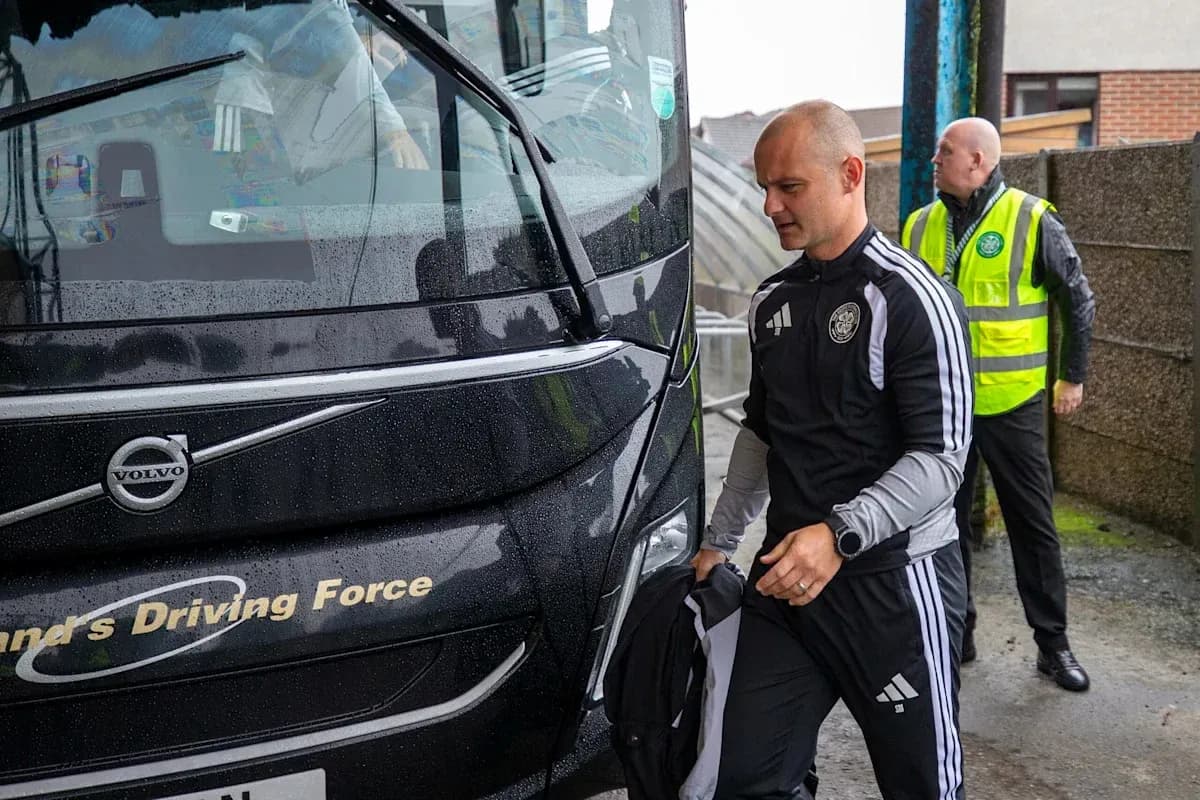
Shaun Maloney is stepping out of the shadows and into the firing line of Celtic’s attack.
The assistant manager has confirmed he will take a far more hands-on role with the club’s forwards this season, filling the gap left by Gavin Strachan and Greg Wallace after their departures from Martin O’Neill’s staff.
Maloney, speaking after Celtic’s Scottish Premiership clash with Kilmarnock at Rugby Park on 9 August, explained that his focus is shifting from background duties to the sharp end of the pitch.
“I have picked up the individual work with the attacking players after games,” he told The Herald. “Last season it was Gavin Strachan who did that. I can't take any credit for that! We also had Greg Wallace, who went to Saudi with Brendan Rodgers recently, and those two were really good with the individual stuff. I was doing things away from the pitch more, so I will pick more of that up this season.
“Stephen McManus and Mark Fotheringham do their stuff with different positions, but it was Gav and Greg who did the attacking work.”
That attacking work now lands squarely on Maloney’s desk at a time when the competition for places in Celtic’s forward line is tightening by the week.
Yang Hyun-jun, Jota, James Forrest, Sebastian Tounekti and summer signing Camilo Duran are all jostling for minutes, with Haissem Hassan expected to add yet another option for O’Neill in the wide areas. Every training session carries a little more edge. Every post-match analysis, a little more scrutiny.
O’Neill has laid down a clear blueprint for his wingers, and it is anything but cautious. He wants risk. He wants aggression. He wants wide players who will go after their full-back and keep going, even when it doesn’t come off.
Explaining the manager’s demands, Maloney said: “Martin is really aggressive in that he wants wingers to take on their opponent when we create a one-v-one. He gives the wingers the confidence that they can do that and that they shouldn't worry about losing it.”
That is where Maloney comes in. The former Celtic playmaker built his own career on clever movement, sharp touches and decisive moments in the final third. Now he becomes the bridge between O’Neill’s attacking ideals and a group of forwards fighting to turn those instructions into end product.
With Strachan and Wallace gone, the margins for Celtic’s attackers will be shaped by Maloney’s voice, his detail and his demands. In a season where every wide player is under pressure to be braver on the ball, his new role might just decide who thrives and who gets left behind.