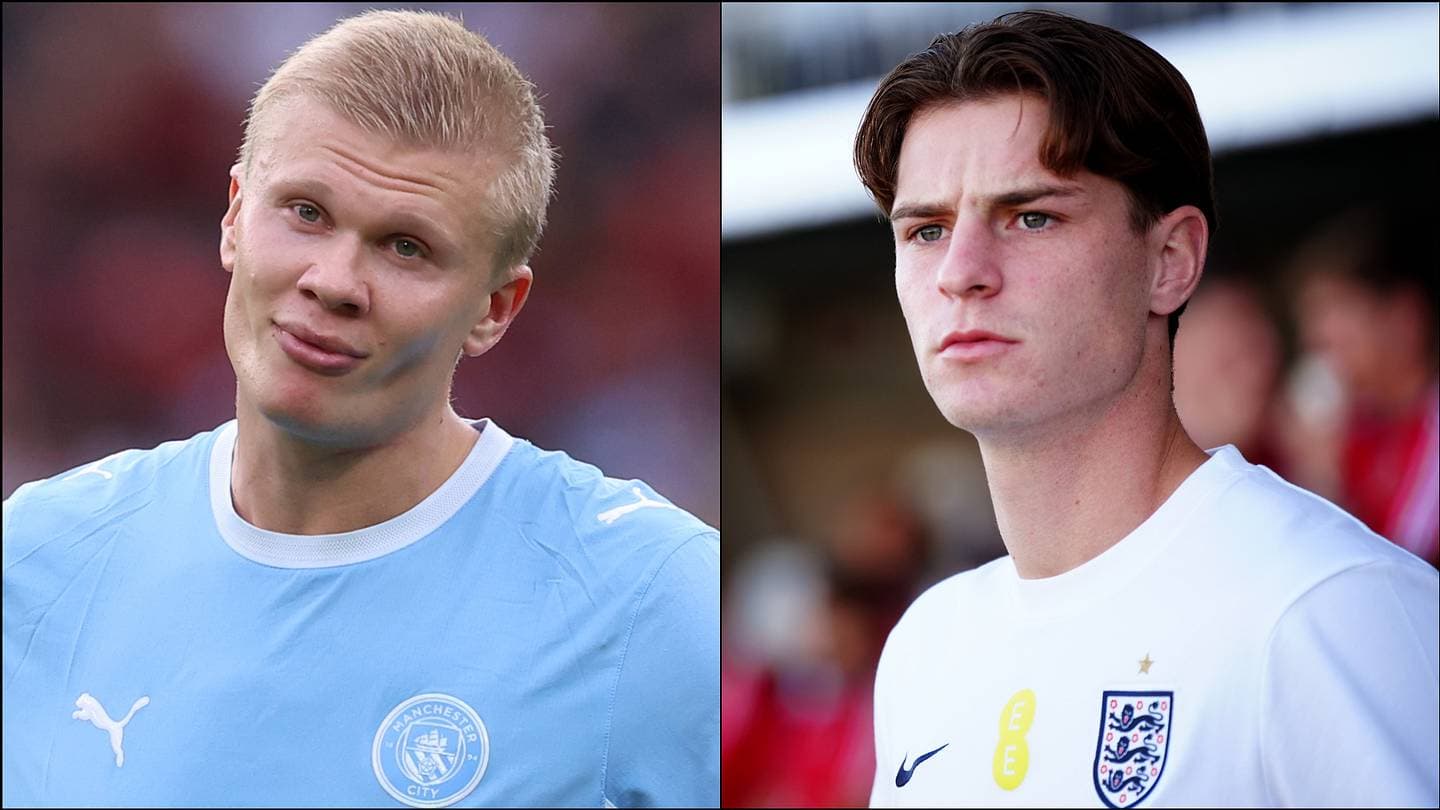
Ruben Amorim Addresses Criticism and Backs Cissé and Pulisic Ahead of Lazio Trip
Ruben Amorim walked into the press room carrying three things: seven points from three games, a storm of criticism over his football, and a 19-year-old forward on the brink of an Italy call-up.
He didn’t flinch at any of it.
“More than that, it’s impossible”
Milan’s draw with Juventus last week reopened an old Italian debate: is this really Milan if they sit deep and suffer? The reaction has been sharp. Amorim, who has already lived through the furnace at Manchester United, shrugged.
“Criticism is normal,” he said. “I already experienced that in my former club [Manchester United]. More than that, it’s impossible.”
The numbers say solid start: two wins, one draw. The mood says something else. The 0-0 with Juventus was picked apart for being too cautious, too flat, too un-Milan.
Amorim didn’t hide from the performance.
“The last game wasn’t just static; I think we lacked energy,” he admitted. “We controlled the ball quite well, especially in the first half, but then we lacked aggression in the final third and inside the box.
“I showed the players that a lot of opportunities for Juve came from us losing the ball, sometimes even without pressure. Just a sloppy pass. Those details can change the game and the momentum. We worked on that, and we need to do better.”
The message was clear: the structure stays, the edge must return.
Ramos under the microscope
Gonçalo Ramos has already felt the swing of early-season judgement. Excellent against Torino and Venezia, heavily questioned after Turin.
“I think we need to improve as a team,” Amorim pushed back. “Ramos did so well against Torino and Venezia that, in a game where he doesn’t have the same performance, you notice it.
“It’s more about the understanding of the game from all the players in the team.”
In other words, this is not a one-man problem. Amorim framed the Juve game as a collective misreading of moments, not a collapse of his number nine.
Pulisic “upset” but finally set for minutes
There was another big name on the agenda. Christian Pulisic, still waiting to kick a ball in 2026-27, will finally get on the pitch, Amorim confirmed.
The coach didn’t pretend the American is happy about the delay.
He admitted Pulisic is “upset” with his lack of playing time over the first three games but made it clear the winger’s moment is coming, starting with this new block of fixtures. The tone was matter-of-fact: a top player frustrated, a coach unmoved by emotion but ready to use him.
Cissé, San Siro and the Azzurri
If Pulisic is waiting, Alphadjo Cissé is sprinting. Two goals in three Serie A games have pushed the teenager into the national spotlight, with reports in Italy suggesting he’ll be in Luciano Spalletti’s next Azzurri squad.
Amorim didn’t hesitate when asked if the forward is ready for that leap.
“If you put Cissé on the pitch, he’s going to play. Doesn’t matter if he’s with the national team, with Bastoni or with these guys,” he said.
“He’s going to play, free. For that, he’s ready. But he needs time to grow up. I saw a bit of a difference when he plays away and when he plays at San Siro. San Siro is tough, so he needs to adjust to all these small things. Let’s give time to Cissé.
“If you put Cissé in training with the national team and playing with the national team, he won’t be shy, and he’s going to have the ball. So he’s ready, but he needs time to be the player he can be. He has a lot to learn.”
The balance was deliberate: endorsement without overhyping. Ready to compete, not yet the finished article.
“You can’t see anything that is random”
Amorim’s football has been labelled cautious, even negative, by some corners of the Italian media. He pushed back hard on the idea that Milan are drifting without identity.
“If you look at our team, we always have an intention; you can’t see anything that is random,” he argued. “Sometimes we want certain patterns that are hard for the players. I understand the pressure. I understand that when you see a guy coming from abroad to say how to play your football, it is really hard, and in the first moment you are just waiting to tell me that in my face.”
He knows where he is. He knows what Milan represent in Italy’s football culture. And he knows that style will always be part of the verdict.
“What I promise is that the team is always in first place,” he repeated. “Then I said my intention, and what they [Milan] asked me to do, was to be positive and score goals.
“Sometimes we want to score goals and be positive, but then there’s the opponent, and maybe Spalletti – your Spalletti – is really good and they pushed us back. We had the ball more than Juventus. Sometimes even when I have the ball, the other guy is better than me, but that doesn’t change the intention you have.”
He circled back again to the same point: intention, identity, and the reality of strong opponents.
“I want to dominate games, but then Spalletti, Fabregas, all these guys, they are really good and will push us. What’s really important is to be good in the last set pieces of the game because if we win, some guys will have to keep that question in their pocket for one more week.
“The only thing I promise is the club will always be in first place. My intention is always to be better than the opponent in a certain way. I’ll try. But then you have the opponents; Spalletti was better than me, and that doesn’t change.”
Como, Fabregas and a different path
As if the tactical debate needed more fuel, Como’s stunning Champions League win over RB Leipzig has turned Cesc Fabregas and his side into the new darlings of Italian football. The question landed: are they a model for Milan’s long-term project?
Amorim smiled it away.
“I think we are different managers, with different backgrounds and work for different clubs,” he said. “Mister Cardinale has never told me that [Como] is the inspiration, so you need to tell me, as I didn’t know.
“I have my way of playing; I think it will take time. Every manager needs time. You saw against Torino, the friendly against United, that we are improving. But if you want a team that plays like Como, you need to buy Como’s manager to play the same way.
“I’m completely different; I have my style of play, my identity. Coaching Milan is really hard; coaching Como and doing what they are doing in the Champions League is so hard, and they are doing so well, but I’m not focusing on how Como are playing; I focus on how Milan must play to win games.”
So the picture is set. A coach under scrutiny, but unshaken. A prodigy on the verge of the Azzurri. A star winger itching to be unleashed. And a trip to Lazio that will say plenty about whether Amorim’s ideas are starting to bite, or whether the questions will only grow louder.