Rodri's Impact on Barcelona's Midfield
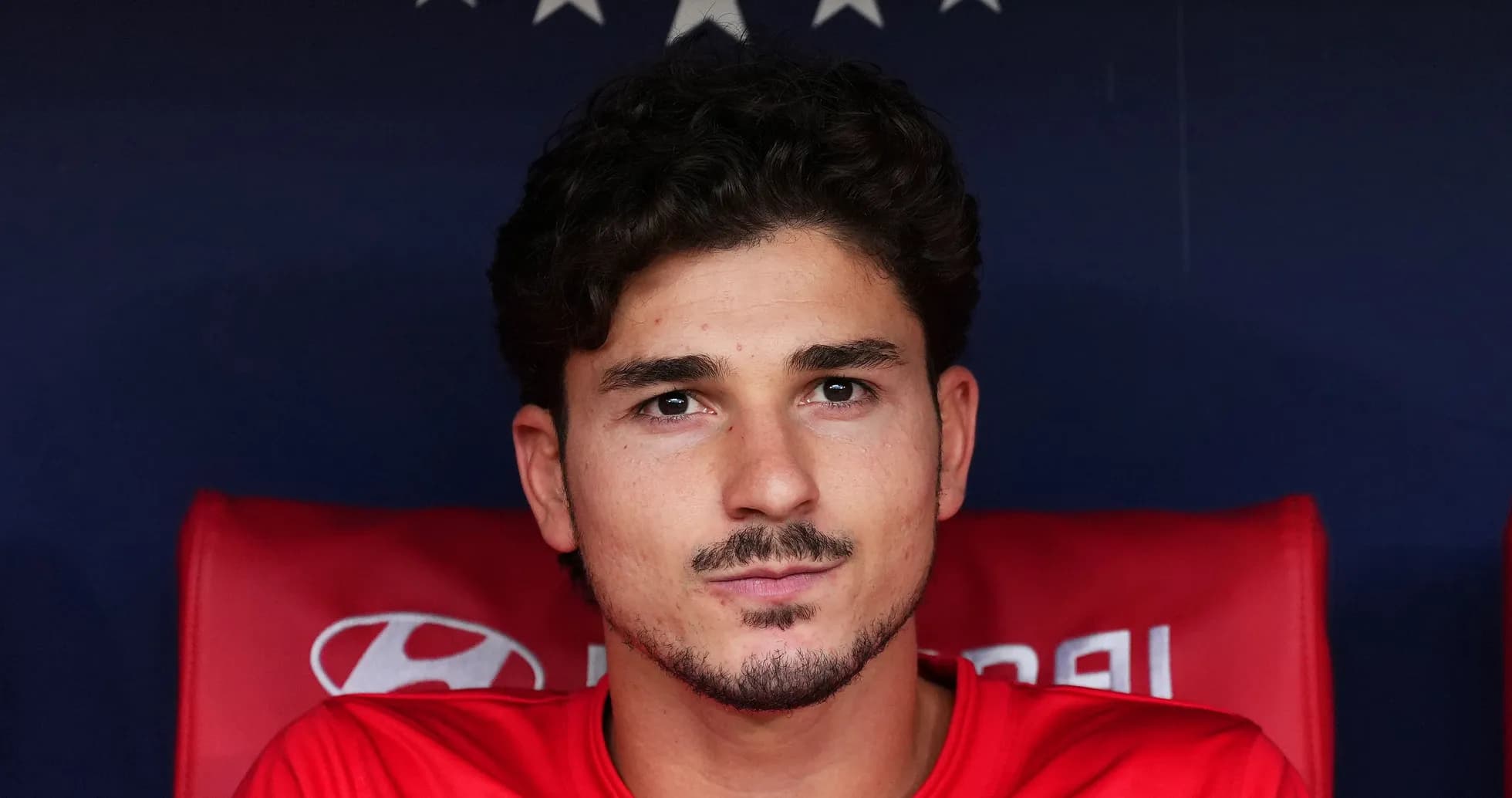
Rodri did not so much make his Barcelona debut as storm it.
Thrown in after barely a week of work under Hansi Flick, the former Manchester City midfielder stepped onto the pitch against Athletic Bilbao in the 62nd minute and instantly changed the temperature of the game. Preparation time? Minimal. Impact? Immediate.
The Olympic Stadium roared when his number went up, the kind of reception usually kept for long‑time heroes or marquee forwards. His first act in a Barça shirt said everything: a towering leap in midfield to cut out an aerial ball, winning a duel that announced both his timing and his authority.
From that moment, the tone shifted. This was not a player easing his way into a new team. This was a midfielder taking charge.
A natural leader in the middle
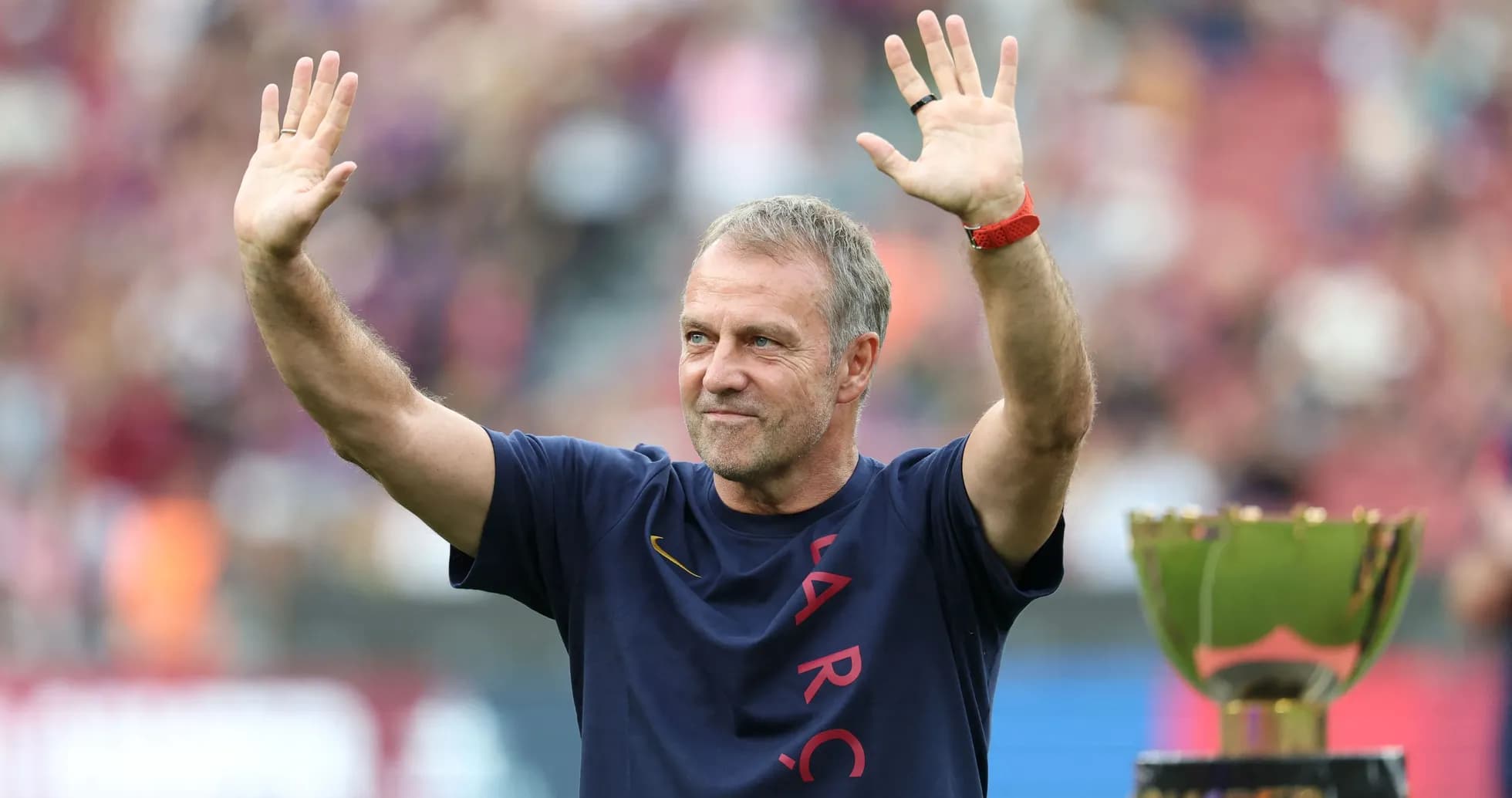
Flick had already labelled him a “natural leader”, and those first few minutes backed up the description. Rodri dropped into the centre of the pitch and immediately became the reference point, the pivot around which Barcelona began to turn.
His frame, his calm, his angles of support – it all evoked the classic Barça midfielders of another era. Teammates responded. The midfield, which had looked functional, suddenly looked commanding.
Flick rebuilt the structure around him. Instead of the usual double pivot, Barcelona shifted to a single holding midfielder, with Rodri anchoring and Pedri, Fermin Lopez and Dani Olmo working ahead of him. From the back, the team now built in a clear 4-3-3, with one fixed outlet in front of the defence.
As the lone pivot, Rodri became the first and often only receiver needed to break Bilbao’s lines. Centre-backs looked up and knew exactly where he would be. That clarity sped everything up.
Pedri, liberated, pushed higher almost instinctively. Fermin Lopez and Olmo alternated their movements, rotating between half-spaces and deeper zones, constantly offering passing lanes. The geometry of the game changed.
Out wide, Adama and Lamine Yamal stretched the pitch, pinning Bilbao’s full-backs and giving Barcelona the width and balance Flick has demanded since arriving. The pattern was clear: control through Rodri, damage through the wings.
The reward came with the second goal. A long spell of patient circulation suddenly snapped into life when the ball reached Adama. He accelerated, delivered low, and chaos followed. Aymeric Laporte misjudged it, the ball broke loose, and Fermin Lopez reacted first to bury his third goal of the season. A slick move, born from structure and then lit up by speed.
Barcelona could have had more. They settled for two only because Unai Simon produced a series of outstanding saves, the Athletic goalkeeper emerging as the best player on the pitch for the visitors. Even so, the pattern of the contest underlined a growing truth under Flick: this is an offensively overwhelming side when the pieces click.
Goals without a traditional No 9
That attacking volume is not a one-off. Two of Barcelona’s opening league matches this season already sit among their top five games for expected goals created in La Liga since Flick took charge. The numbers back up what the eyes suggest: this team is generating chances at a relentless rate.
All of this has come without a recognised out-and-out striker leading the line. No classic No 9, yet some of the most productive attacking displays of the German’s tenure. The responsibility has spread, and that is by design.
Rodri’s arrival strengthens that collective idea. With him dictating from deep, Barcelona can share the goals more widely, arriving from midfield and wide areas instead of funnelling everything through a single finisher. Even so, Raphinha has already surged into a more central, striker-like role and has three goals to show for it.
Rodri’s influence is not confined to the attacking phase. His understanding with Pau Cubarsi, honed with Spain, carried straight into club colours. Their connection helped Barcelona control space in front of and behind the defence, and the team has yet to concede in the opening two league rounds.
Clean sheets and control are the themes Flick keeps hammering home. He wants a Barça that dominates not just with the ball, but with the rhythm of the match. Rodri is central to that plan.
“Everyone is happy that Rodri is playing with us. He is the perfect player for us and for our style,” Flick said after the win, summing up both the dressing room mood and his own conviction.
With Rodri now installed as the metronome, Barcelona can keep the ball for longer spells without dragging Pedri back to the base of the build-up every time they want composure. The No 8s are free to hurt opponents higher up; the pivot is in safe hands.
One week after his presentation, Rodri has already started to redraw Barcelona’s midfield map. If this is what he looks like with “extremely brief” preparation, the question almost writes itself: how far can this team go once he’s fully embedded in Flick’s system?