Rodri, Fernandez and £120m Deadline: Chelsea and City's Transfer Cold War
By 17:00 BST today, Chelsea expect to know whether Manchester City are ready to detonate one of the biggest transfers the game has ever seen.
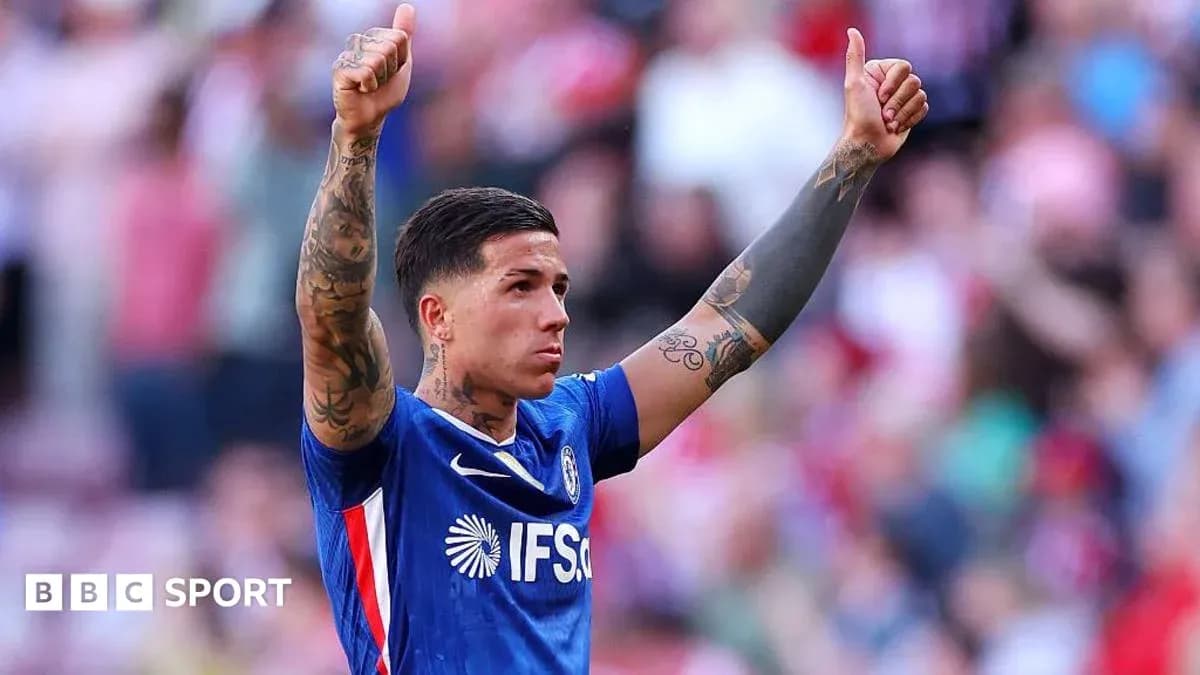
The London club have drawn a hard line in the sand: formal offers for Enzo Fernandez must land by this evening or not at all, at least until next summer. The price is eye-watering – £120m – and the stakes are higher still, because this is not just about one midfielder. It is about Rodri, Barcelona, and a simmering feud between two of England’s modern superpowers.
City’s Plan: No Rodri Exit, No Fernandez Move
Strip away the noise and the equation is blunt. If Rodri stays, Manchester City will not move for Fernandez.
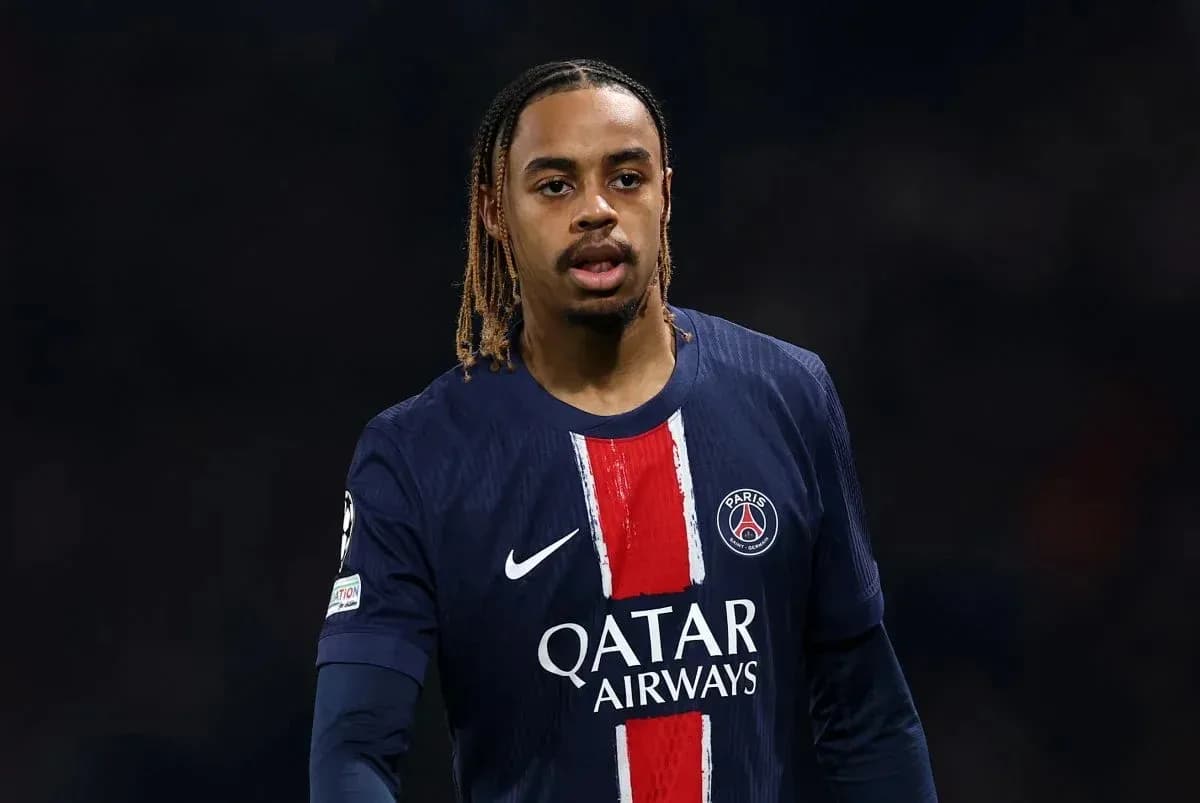
That is the stance from the Etihad. Rodri, 30, is the heartbeat of City’s recent dominance – the man who scored the winner in the Champions League final against Inter Milan, the anchor of their 2022-23 Treble, a four-time league champion and a Ballon d'Or winner. Officially the best player at the 2026 World Cup, he has become as close to untouchable as any holding midfielder in world football.
But he wants to go home.
Rodri’s desire is to return to Spain and join Barcelona. Real Madrid have stepped away, leaving Barça to negotiate with City, who want 80m euros (£68.4m) for a player whose contract runs out next summer. Barcelona’s opening offer? Just £38.5m.
The gap is huge. The tension is obvious. And hanging over all of it is Fernandez.
As BBC Sport’s Simon Stone reports, the Rodri and Fernandez deals are interlinked but not chained together chronologically. City do not need to complete Rodri’s sale before they sign Fernandez. What they do need is certainty that Rodri is leaving. Once that becomes clear, a bid for Fernandez can follow.
It could even happen while Rodri is still sidelined, with the Spaniard currently recovering from a minor back procedure.
Maresca, the Reunion and a Tactical Puzzle
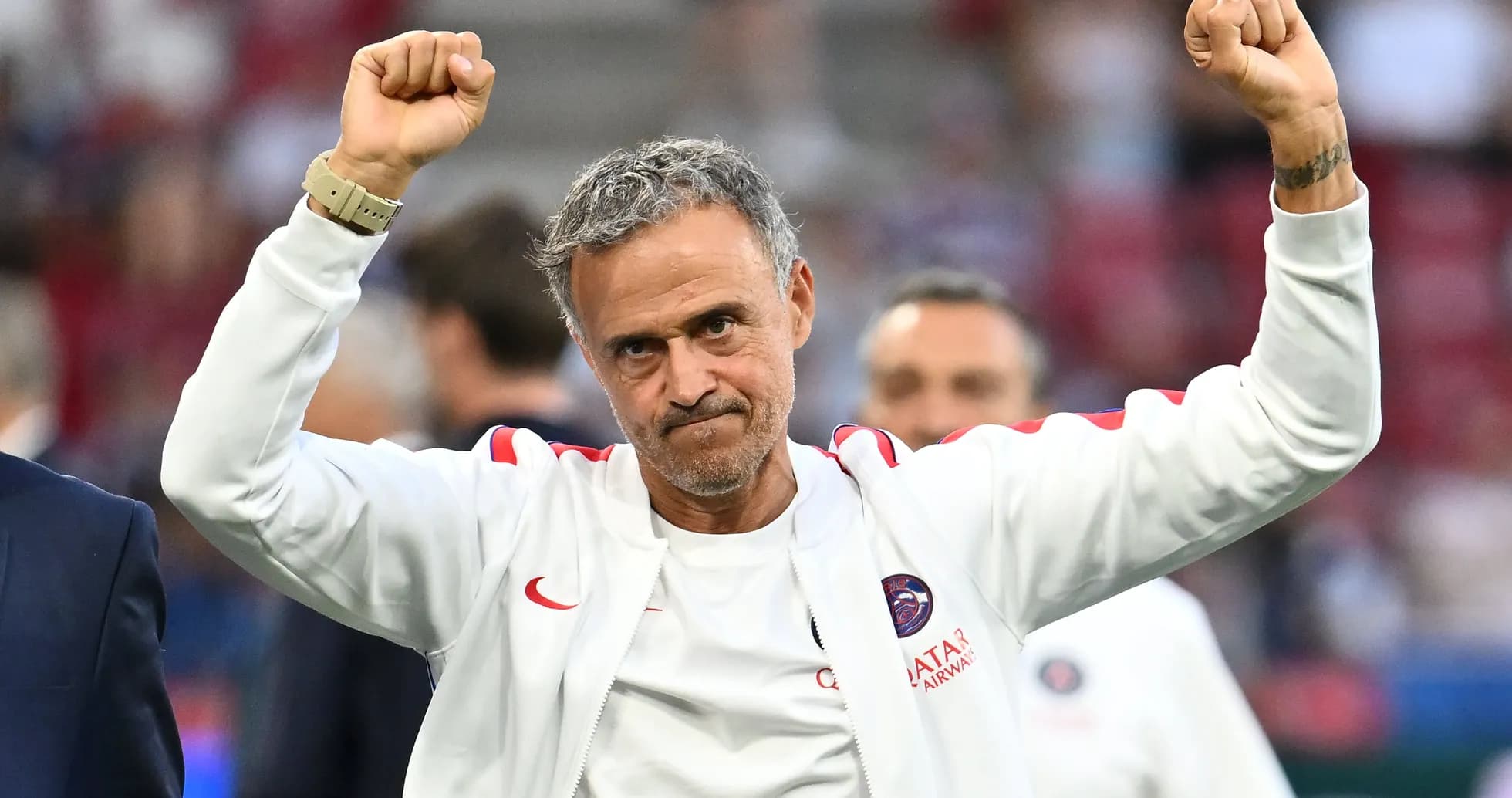
Enzo Maresca is the other key figure in this story. He knows Fernandez as well as anyone in Europe.
At Chelsea, Maresca made Fernandez captain when Reece James was injured. He picked him in 79 of his 92 games in charge, trusted him in big moments, and even reinvented him.
Fernandez arrived in England as a defensive midfielder. Under Maresca, he became far more than that. With Cole Palmer injured for long spells last season, Maresca pushed the Argentine higher up the pitch. Fernandez responded with a career-best 15 goals, drifting into advanced positions, timing his runs, and showing he can hurt teams in the final third.
That versatility is precisely what appeals now. In Manchester, Maresca could use him as a deep-lying controller, a box-to-box engine, or a more attacking presence. The tactical options multiply when you remember City have already spent £116m on Elliot Anderson from Nottingham Forest this summer.
Anderson, like Fernandez, can operate as a six or an eight, sometimes even as a ten. It is not a case of one or the other. Maresca could field both, reshaping a midfield that has already lost major figures on big contracts, including Bernardo Silva and John Stones on free transfers, while James Trafford has gone to Leeds for up to £45m.
City are also being linked with Lille’s Ayyoub Bouaddi, another defensive midfielder, as they prepare for the possibility of life after Rodri.
A Transfer Window of Heavy Spending – and Heavy History
If City trigger the £120m clause Chelsea have set, Fernandez would become the fourth most expensive signing in football history. Only Alexander Isak’s £125m move from Newcastle to Liverpool last summer, plus Paris St-Germain’s 2017 mega-deals for Neymar and Kylian Mbappé, would sit above it.
This is not City’s first blockbuster of the window. Anderson already ranks fifth on the all-time list, while Fernandez’s own £107m switch from Benfica to Chelsea in February 2023 is still inside the top 10.
Add Fernandez at £120m to Anderson at £116m and the numbers become staggering. City’s spending this summer would surge past £250m once you factor in youngsters Pierce Charles, Jeremy Monga, Mathys Detourbet and back-up goalkeeper Geronimo Rulli. Extend the accounting to the 2026 calendar year, including January’s £82.5m outlay on Antoine Semenyo and Marc Guehi, and the figure edges towards £350m.
There is more money on the way in. City midfielder Tijjani Reijnders is set to join Saudi Pro League side Al-Qadsiah in a £52m deal. But this is still a club moving aggressively in the market.
All of it plays out against a bitter backdrop with Chelsea.
Bad Blood and a £120m Power Play
Relations between the two clubs were already strained. Maresca’s departure from Stamford Bridge in January only deepened the fault lines.
He clashed repeatedly with Chelsea’s owners during his 18 months in charge. When he left on 1 January, Chelsea were fifth. They finished the season in 10th, having already replaced Maresca’s replacement, Liam Rosenior, with Xabi Alonso this summer.
At the time, the club called it a mutual parting. Maresca later said he resigned and admitted the move “opened a path” for him to join City, where he had previously worked as Pep Guardiola’s assistant and long been viewed as the heir apparent.
City still had to pay Chelsea a hefty compensation fee to prise him away, even though he was no longer their manager. A lengthy legal dispute followed, ending with Chelsea receiving £17.2m and Maresca apologising publicly and paying an undisclosed sum himself.
Chelsea reporter Nizaar Kinsella summed it up starkly: there is bad blood between the clubs, and losing Fernandez to Maresca’s City would be another deep cut.
It would also be personal for the player. Fernandez’s relationship with Chelsea deteriorated sharply after Maresca’s exit. In March, after a heavy Champions League defeat by Paris St-Germain, he criticised the club. He then went further, saying his dream was to move to Madrid.
Those comments cost him. Chelsea dropped him for two games. Real Madrid later released a statement ruling out any move for Fernandez, leaving City as the only serious contenders.
Chelsea’s Gamble: Deadline or Bluff?
Chelsea insist this 17:00 BST deadline is real. It is not the official transfer cut-off – that comes on Tuesday, 1 September at 23:00 BST – but an internal line they say they will not cross.
The logic is clear. If Fernandez goes now, they want more than two weeks to replace him. Three weeks ago, Bournemouth rejected a £64m Chelsea bid for midfielder Alex Scott. The Blues have already smashed their own club record to sign attacking midfielder Morgan Rogers from Aston Villa for £117m, while also spending £52m on Crystal Palace defender Maxence Lacroix and £47m on Atalanta right-back Marco Palestra.
Their outlay this summer has already pushed past £300m. Selling Fernandez would take their sales total beyond £250m and help balance the books. From Chelsea’s perspective, as Kinsella reports, it is a win-win: either they bank £120m or they keep a top-level midfielder for another season.
What is less clear is how rigid that deadline will be if, say, City arrive with £120m on 30 August instead.
Clubs have been here before. Manchester United thought Borussia Dortmund were bluffing in 2020 when they set a 10 August deadline for Jadon Sancho. United bid higher after the date passed. Dortmund refused. United had to wait a year.
Chelsea know that story well. They also know that sticking to a deadline can be a show of power in a market that often runs on brinkmanship and late-night brink collapses.
The Clock Ticks on a Defining Call
So City face a choice. Commit to a Rodri sale to Barcelona and open the door for Fernandez, or keep their midfield general and walk away from one of the most expensive reunions in football history.
For Chelsea, the calculation is different but just as stark. Do they cash in on a player whose bond with the club frayed after Maresca left, or hold him for another season in the hope that his value – and his mood – do not dip?
The deadline is hours away. The numbers are enormous. The politics are raw.
If City decide to pull the trigger, this will not just be a transfer. It will be the latest escalation in a rivalry that is starting to feel like a cold war – and it will reshape the midfield landscape of European football for years to come.