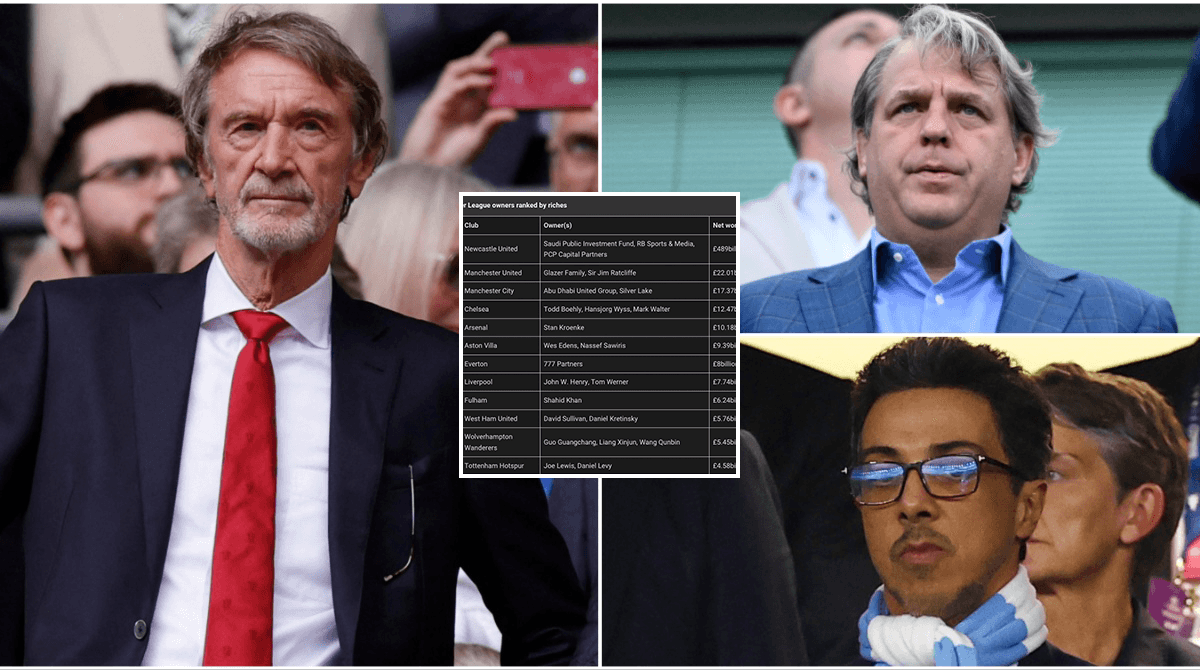
Top 10 Wealthiest Premier League Clubs in 2026
Football today is more than a sport; it’s an immense financial sector. Premier League clubs earn substantial revenue from broadcasting, sponsorships, and matchday sales. In 2026, Liverpool FC leads the pack, followed closely by Manchester City and Arsenal FC. Rankings reflect club valuations, annual revenues, and ownership strength. Growth stems from global fanbases, savvy management, and strong investors, turning these clubs into commercial powerhouses beyond the pitch.
Detailed Overview of the Richest EPL Clubs
Brighton’s steady rise comes from smart investments and player development. Their strategy to buy affordable talent, nurture them, then sell at profit—like Alexis Mac Allister and Moises Caicedo—has strengthened their finances. Though their fanbase is smaller than many others, they use resources wisely, focusing on coaching and financial discipline. This approach cements their place among the Premier League’s wealthiest.
- Total Revenue (2025): £279.28M
- Valuation: £655M
- Matchday Revenue: £72M
- Main Sponsor: American Express
West Ham's 2023 UEFA Europa Conference League win sparked a financial boost. With improved domestic results and commercial deals, their worth climbed to £882 million by 2025, up from $195 million in 2007. The London Stadium drives high matchday earnings, while their academy helps reduce player costs. Efficient management keeps West Ham among the financially strongest clubs.
- Total Revenue (2025): £322.92M
- Valuation: £882M
- Matchday Revenue: £127.9M
- Main Sponsor: Umbro
After the Public Investment Fund of Saudi Arabia took over in 2021 for around £305 million, Newcastle transformed financially. Their revenue nearly doubled within two years, boosted by new sponsorships, facilities, and squad investments. Winning the 2025 EFL Cup after 70 years marked a turning point. Strong backing turned Newcastle from a mid-table team into one of the Premier League’s richest.
- Total Revenue (2025): £466.13M
- Valuation: £820M
- Matchday Revenue: £120.9M
- Main Sponsor: Sela
Owned by Wes Edens and Naseef Sawiris, Aston Villa have steadily climbed financially and on the field. Returning to the UEFA Europa League helped revenue growth. Strategic recruitment and stadium upgrades at Villa Park raised matchday income. Their management’s forward-thinking approach reflects in merchandise and partnerships, building a financially stable club.
- Total Revenue (2025): £526.73M
- Valuation: £625M
- Matchday Revenue: £106M
- Main Sponsor: Betano
Since Roman Abramovich’s departure, Todd Boehly and Clearlake Capital invested heavily in Chelsea’s squad and commercial growth. Though recent results have fluctuated, Chelsea remains financially elite, with over £1 billion spent on players. Strong merchandise sales and global fan growth sustain healthy revenues. The club now focuses on sustainable growth and maximizing returns.
- Total Revenue (2025): £683.40M
- Valuation: £2.4B
- Matchday Revenue: £388M
- Main Sponsor: Infinite Athlete
Tottenham leverages its state-of-the-art stadium and brand partnerships to build wealth. ENIC Group owns most of the club, with Daniel Levy holding a minority stake. Their stadium hosts multisport events and concerts, generating hundreds of millions annually. Winning the Europa League last season ended their trophy drought and boosted their profile.
- Total Revenue (2025): £786.94M
- Valuation: £2.6B
- Matchday Revenue: £464M
- Main Sponsor: AIA
One of the world’s most supported clubs, Manchester United commands massive commercial power thanks to global fans and big sponsorships like Adidas and TeamViewer. Old Trafford’s matchday income remains huge. Despite recent struggles on the pitch and some financial losses, the club’s brand strength keeps it among England’s richest. Planned investments might propel them further.
- Total Revenue (2025): £927.81M
- Valuation: £5.2B
- Matchday Revenue: £936M
- Main Sponsor: Snapdragon
Under Mikel Arteta, Arsenal has risen steadily through smart decisions and strong performances. Returning to the Champions League increased income sharply. The Emirates Stadium expanded matchday revenue thanks to greater capacity and comfort. Arsenal’s careful spending and consistent top-tier presence ensure lucrative broadcasting and commercial deals.
- Total Revenue (2025): £960.57M
- Valuation: £2.5B
- Matchday Revenue: £513M
- Main Sponsor: Fly Emirates
With Pep Guardiola’s decade of dominance, Manchester City leads in club valuation and revenue. Backed by the Abu Dhabi United Group, their financial model relies heavily on broadcasting and sponsorships. Investments in youth and transfers complement their strategic player sales. Winning trophies continually fuels their top spot.
- Total Revenue (2025): £969.93M
- Valuation: £4.1B
- Matchday Revenue: £390M
- Main Sponsor: Etihad Airways
Since Jurgen Klopp and Fenway Sports Group’s arrival, Liverpool has seen huge financial growth. Their 2019 Champions League and 2020 Premier League wins propelled global appeal. A strong worldwide fanbase drives merchandise and commercial deals. Smart player trading adds to revenues. Liverpool blends history, success, and business acumen to top the list.
- Total Revenue (2025): £978.12M
- Valuation: £4.2B
- Matchday Revenue: £627M
- Main Sponsor: Standard Chartered
How Are These Clubs Ranked?
Richness isn’t judged just by ticket sales or merchandise. We look at total annual revenue, including sponsorship and digital content. Club valuation factors in brand value, assets, stadium, and fanbase size. The financial muscle of majority stakeholders also impacts infrastructure and growth potential.
FAQs
- Which club tops the Premier League wealth chart in 2026?Liverpool holds that position.
- Most expensive Premier League team?Manchester United leads here.
- Which club earns the highest matchday revenue?Manchester United generates the most matchday income.
- How is the ranking determined? Rankings combine revenue, club valuation, and ownership strength.