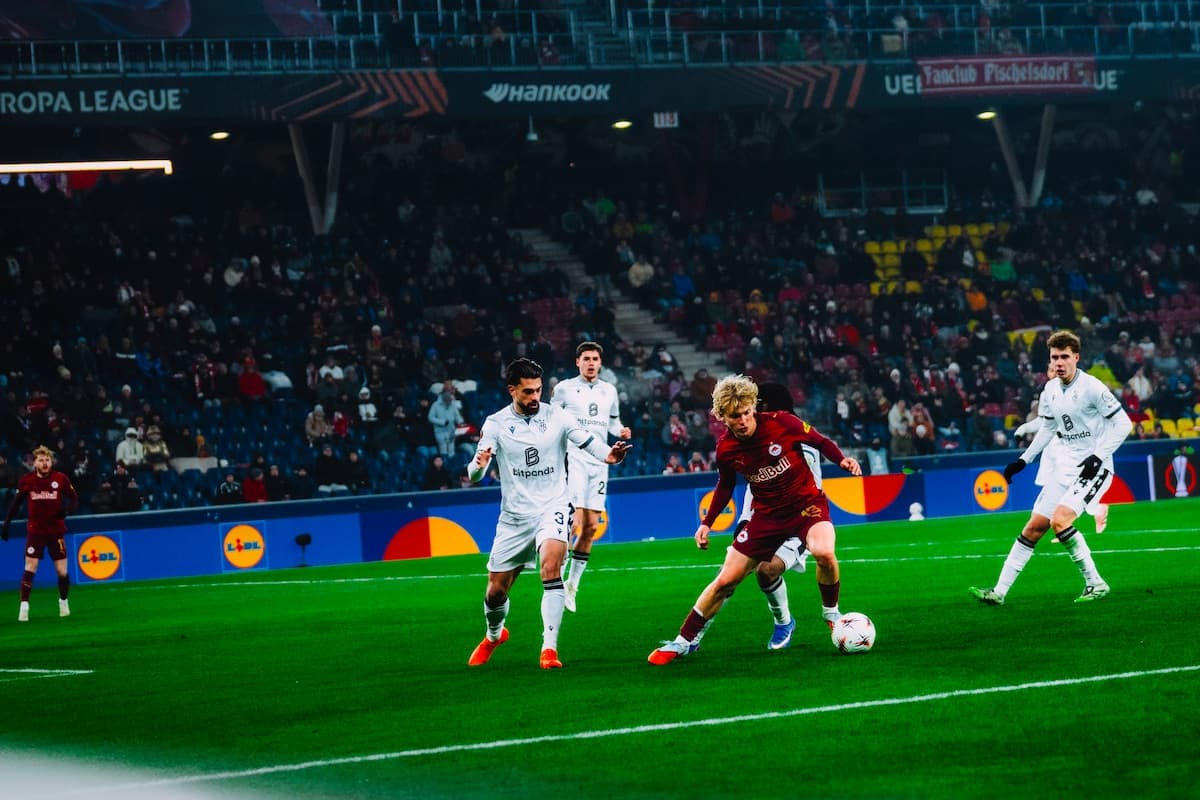
Red Bull Salzburg Dominates FC Basel 1893 in Strategic Battle
Red Bull Salzburg imposed a clear territorial and possession-based game plan from the first whistle. With 62% of the ball and 600 total passes at an 87% accuracy rate, they controlled the rhythm and pinned FC Basel 1893 back for long spells. Basel, at 38% possession and 359 passes (80% accuracy), accepted a more reactive role, especially in the first half, focusing on surviving Salzburg’s waves rather than contesting midfield dominance. The 3–0 half-time scoreline reflects how Salzburg converted this control of the ball into control of space, repeatedly progressing into the final third and forcing Basel’s 4-2-3-1 deeper and narrower.
Offensive Efficiency
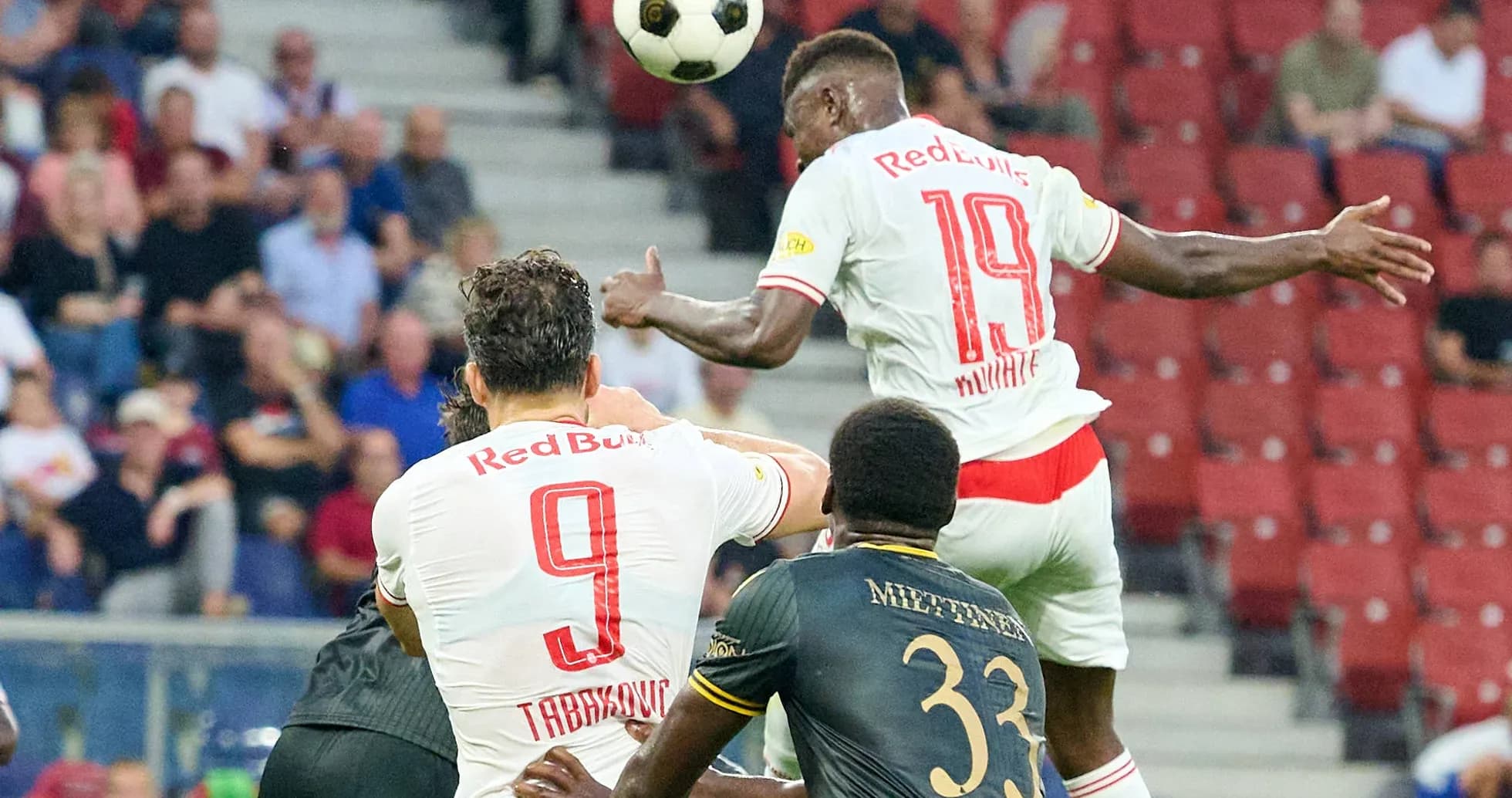
Salzburg’s attacking structure in a 4-3-3 was geared towards sustained pressure and volume of chances rather than selective counters. Their 21 total shots versus Basel’s 9 underline a clear attacking superiority. Crucially, Salzburg managed 12 shots inside the box, indicating that their possession was not sterile but translated into penetration, supported by 8 corner kicks that kept Basel under constant set-piece threat. The balance of 8 shots on goal from those 21 attempts, combined with an xG of 1.49, shows a steady stream of good-quality opportunities rather than speculative efforts from distance (only 9 shots from outside the box).
Basel, by contrast, were far more limited in their attacking presence. Just 3 shots on target from 9 total attempts and only 3 efforts inside the box highlight how rarely they managed to break Salzburg’s structure and get into truly dangerous positions. Their xG of 0.45 confirms that most of their looks at goal were low-probability situations, consistent with a side playing from behind and trying to create via sporadic transitions rather than sustained pressure. Salzburg’s goalkeeper needed only 2 saves, further underlining how effectively the home side’s dominance of territory reduced Basel’s threat.
Defensive Discipline & Intensity
The game was competitive but not excessively violent. Salzburg committed 12 fouls to Basel’s 9, with the hosts picking up 1 yellow card and the visitors 3. Basel’s higher card count, despite fewer fouls, suggests they were often late or desperate in defensive duels as they tried to disrupt Salzburg’s rhythm once the ball had already progressed. Salzburg’s 6 blocked shots versus Basel’s 2 underline a compact defensive reaction once Basel did reach shooting positions, reflecting good collective protection of their box.
In goal, Marwin Hitz was kept busy, making 5 saves, which indicates that Salzburg’s attacks regularly pierced Basel’s last line and forced decisive interventions. On the other side, Salzburg’s low save count and Basel’s modest shot volume confirm that the home side’s defensive block and counter-press limited clear chances against them without needing heroics from the goalkeeper.
Conclusion
Ultimately, Red Bull Salzburg’s structured possession, high shot volume, and repeated box entries (12 shots inside the area, 21 total attempts) overwhelmed FC Basel 1893. Basel’s reactive, low-possession approach never generated enough high-quality chances (0.45 xG, 3 shots on target), meaning Salzburg’s efficiency and control comfortably translated into the 3–1 win.