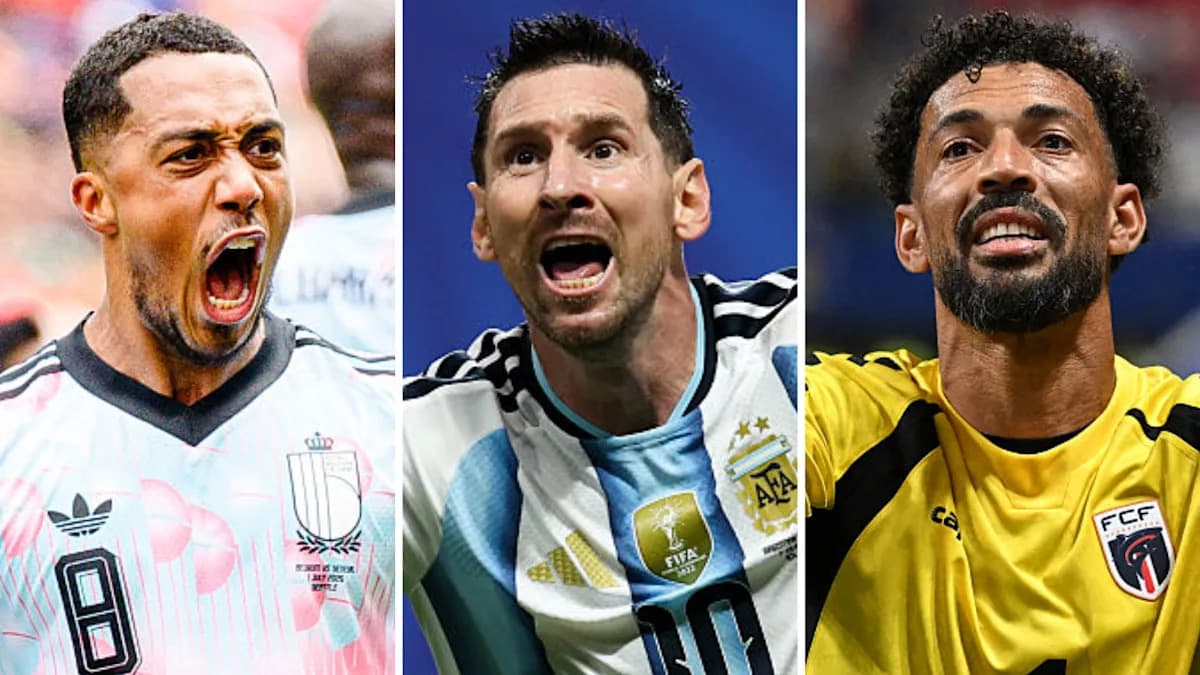
Record-Breaking World Cup Filled with Drama, Goals, and Surprises
The 2026 World Cup, hosted across Canada, Mexico, and the United States, has delivered unforgettable goals, late comebacks, and shocking upsets. With 48 teams competing for the first time in history, this tournament stands as the largest ever staged.
The quarter-finals are set to begin, featuring eight matches left in what has become a festival of football. But can this edition claim the title of the best World Cup?
High Scoring and Intense Matches
So far, 280 goals have been scored in 96 out of 104 games, averaging 2.92 goals per match. This is the highest average since the 1970 World Cup in Mexico, which saw 2.97 goals per game. Previous tournaments like Qatar 2022, Russia 2018, Brazil 2014, and South Africa 2010 all had lower averages ranging from 2.27 to 2.69.
Germany's 7-1 victory over Curacao remains the highest scoring game, but several other matches have also featured five or six goals. Most goals—74.6%—have come from open play, marking one of the highest percentages ever recorded, while penalties accounted for only 5%, the lowest rate in World Cup history.
Late Drama and Thrilling Comebacks
The knockout rounds have been packed with excitement. Out of 24 knockout fixtures, eight have seen winning goals after the 85th minute, and four matches required penalty shootouts. Enzo Fernandez’s goal against Egypt was the tournament’s 10th winning strike scored in the 90th minute or later, setting a new World Cup record.
July alone brought at least three classic encounters, where Belgium, Argentina, and England each secured 3-2 victories over Senegal, Egypt, and Mexico respectively. Belgium and Argentina rallied from two goals down late in their matches—a rare feat not seen multiple times since 1970. England managed their win despite being reduced to ten men for 40 minutes in a charged atmosphere at Mexico’s iconic Azteca Stadium.
Interestingly, the tournament also set a record with eight goalless draws. Some may see that as dull, but it could also indicate a high level of competition and balance among teams.
Fans and Stars Show Up in Numbers
Despite fears about ticket costs and long travels, fan attendance has been remarkable. FIFA reports that 99.7% of seats were filled, with over 4.4 million attendees during group stages and 6.2 million so far including knockout rounds. The average crowd size exceeds 65,000, second only to the 1994 World Cup held in the US.
Star players have shone too. The Golden Boot race is thrilling, with Lionel Messi leading on eight goals, closely followed by Kylian Mbappe and Erling Haaland with seven each, and Harry Kane on six. It’s the first time three players have scored seven or more goals in a single World Cup.
Underdogs and Unexpected Stories
Concerns about mismatched contests with 48 teams proved unfounded. Smaller nations have captured hearts with spirited performances. Curacao, the smallest team to qualify, bounced back from a heavy defeat by Germany to draw with Ecuador. Qatar suffered a heavy loss to Canada but managed a draw against Switzerland, a quarter-finalist.
Cape Verde, with 40-year-old goalkeeper Vozinha, became one of the greatest underdog stories. They drew with Spain, Uruguay, and Saudi Arabia to reach the last 32, pushing defending champions Argentina to extra time before narrowly losing 3-2.
Challenges and Controversies
Ticket prices, accommodation, and transport costs have strained many fans’ budgets more than ever before. Hydration breaks, necessary in extreme heat, faced boos when used during rainy conditions or inside air-conditioned stadiums.
The extended tournament duration, starting June 11 and running through July 19, means matches have been played nearly every day. Questions arose over refereeing quality and player welfare given the increased matches and travel demands. With the Premier League resuming just over a month after the final, concerns persist.
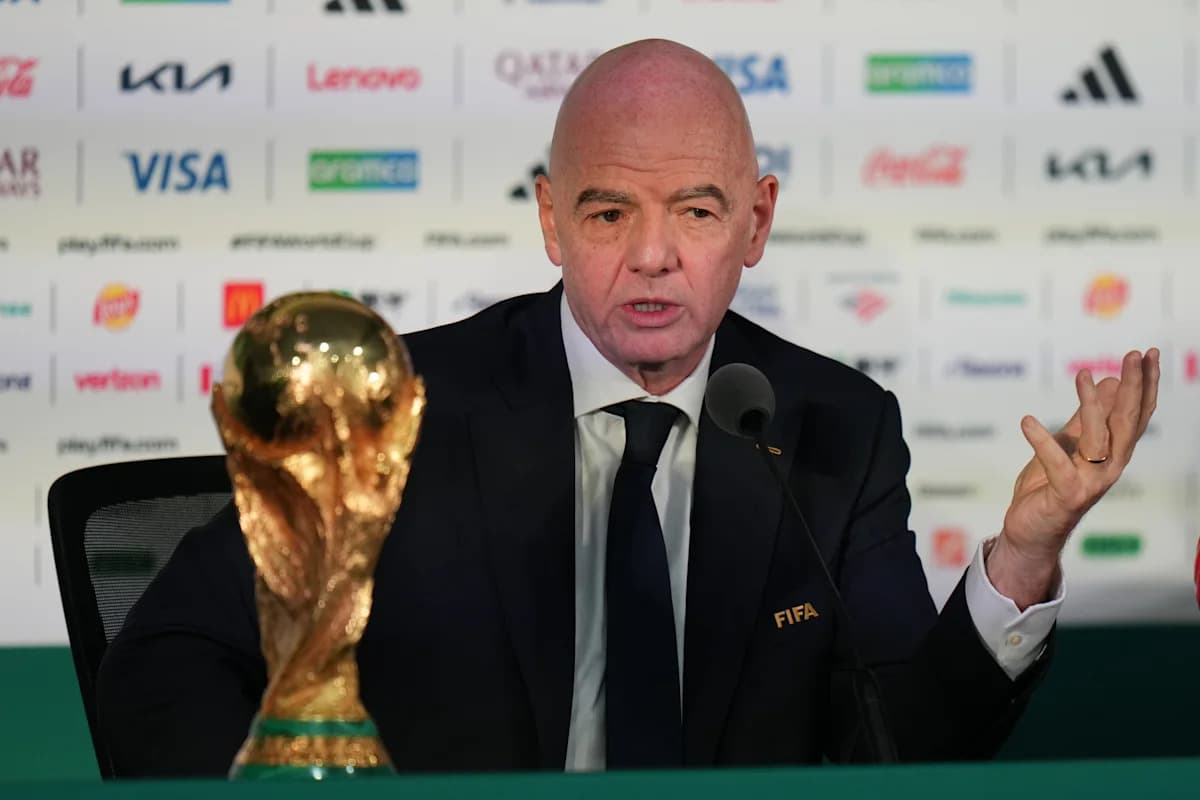
The group stage format meant early rounds lacked urgency, eliminating only 16 of 48 teams. Worse still, the spirit of fair play came under scrutiny after American striker Folarin Balogun was controversially allowed to play despite a red card suspension. US President Donald Trump reportedly contacted FIFA president Gianni Infantino about the ban, which FIFA then suspended under a probationary rule. This marked a rare exception since 1962 and drew criticism from UEFA and managers like Thomas Tuchel.
The Road Ahead
Despite negatives, FIFA can take pride in a tournament full of packed stadiums and memorable moments. With the top four ranked teams—Argentina, Spain, France, and England—still alive and facing separate quarter-final matches, the coming games promise thrilling football that might define this World Cup’s legacy.
Past tournaments have been remembered largely by their final matches. While some ended in disappointment despite earlier excitement, others, like Qatar 2022, were lifted by spectacular finales. What happens next will shape how this event is recalled.