Real Madrid's Mourinho Era Begins with Dramatic Victory
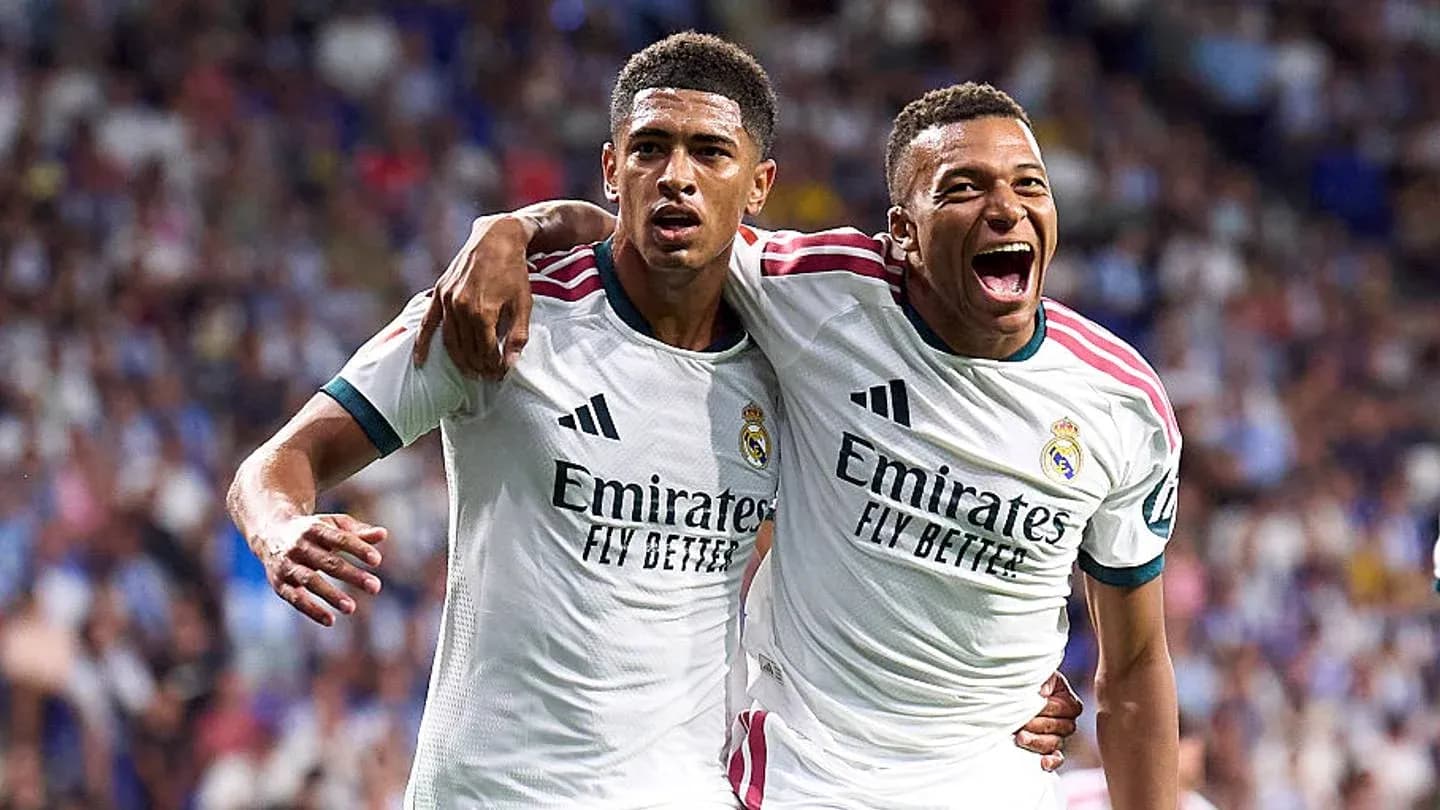
Real Madrid needed barely nine minutes to announce the start of the Mourinho era. Arda Guler shaped a vicious, teasing cross, Jude Bellingham climbed above everyone and thumped his header home. Simple. Brutal. Exactly the kind of statement goal that usually settles a team.
It did not.
The early strike gave Madrid the lead, not control. Espanyol shook off the shock quickly and began to stretch the game, dragging Real’s back line into uncomfortable positions and asking serious questions of Thibaut Courtois.
The Belgian had to intervene decisively in the 26th minute, bailing his side out from a dangerous chance that exposed just how easily Espanyol could slice through. The warning went unheeded. Minutes later, Alex Calatrava arrived to level the match, and this time Courtois had no escape route.
From that point on, the pattern was clear. On the scoreboard, Madrid were in the fight. On the pitch, Espanyol often looked the sharper, more coherent side during the key spells of the first half. Their attacks carried more menace, their transitions looked cleaner, their belief grew with every foray into the final third.
Madrid’s concession was not some freak lapse. It dragged an old debate back into the light: the balance of this defence. When Espanyol struck, there was no true defensive anchor stepping in early, no one reading the danger before the pass that carved open the box. The gaps in front of the back line yawned wide, the sort of spaces that appear when a team leans heavily on attacking talent and then loses the ball with bodies stranded upfield.
These are the details that will define Mourinho’s second spell. If he wants to impose the iron framework that made his first Madrid side so ruthless, fixing that soft centre becomes a non‑negotiable task in the coming weeks.
For long stretches, though, the match drifted towards a draw. Madrid probed without conviction, Espanyol countered without quite finding the killer touch. The tension rose, the clock ticked, and the opening day threatened to end with a flat, uneasy point for the Portuguese coach.
Then the bench changed everything.
With the 90th minute looming, Espi seized on chaos inside the Espanyol area. A loose moment, a half‑cleared ball, defenders hesitating for a heartbeat too long. Espi did not. He pounced on the confusion, lashed his finish into the net and ripped three points out of a match that had never truly belonged to Madrid.
That late winner underlined the power of Mourinho’s substitutes, the value of fresh legs and sharp minds in a tight game. It also covered up an awkward reality. Madrid did not put this contest to bed through sustained attacking dominance or a flowing, controlled performance. They survived. Then they punished a defensive mistake.
On paper, it is the ideal start: three points, a decisive late goal, the narrative of a coach who still knows how to squeeze victory out of a tense night. On the grass, the familiar problems of the last two seasons reappeared. Limited attacking ideas when the first plan stalled. Difficulty dictating tempo. Wide open lanes for the opponent to create danger.
One match will not define a season, and drawing sweeping conclusions from an opening fixture would be reckless. The squad is still absorbing Mourinho’s demands, the rhythm of La Liga has barely begun, and sharper patterns may yet emerge.
But if the same cracks keep showing against stronger opponents, what surfaced in Catalonia will stop looking like early‑season rust and start to resemble something structural.
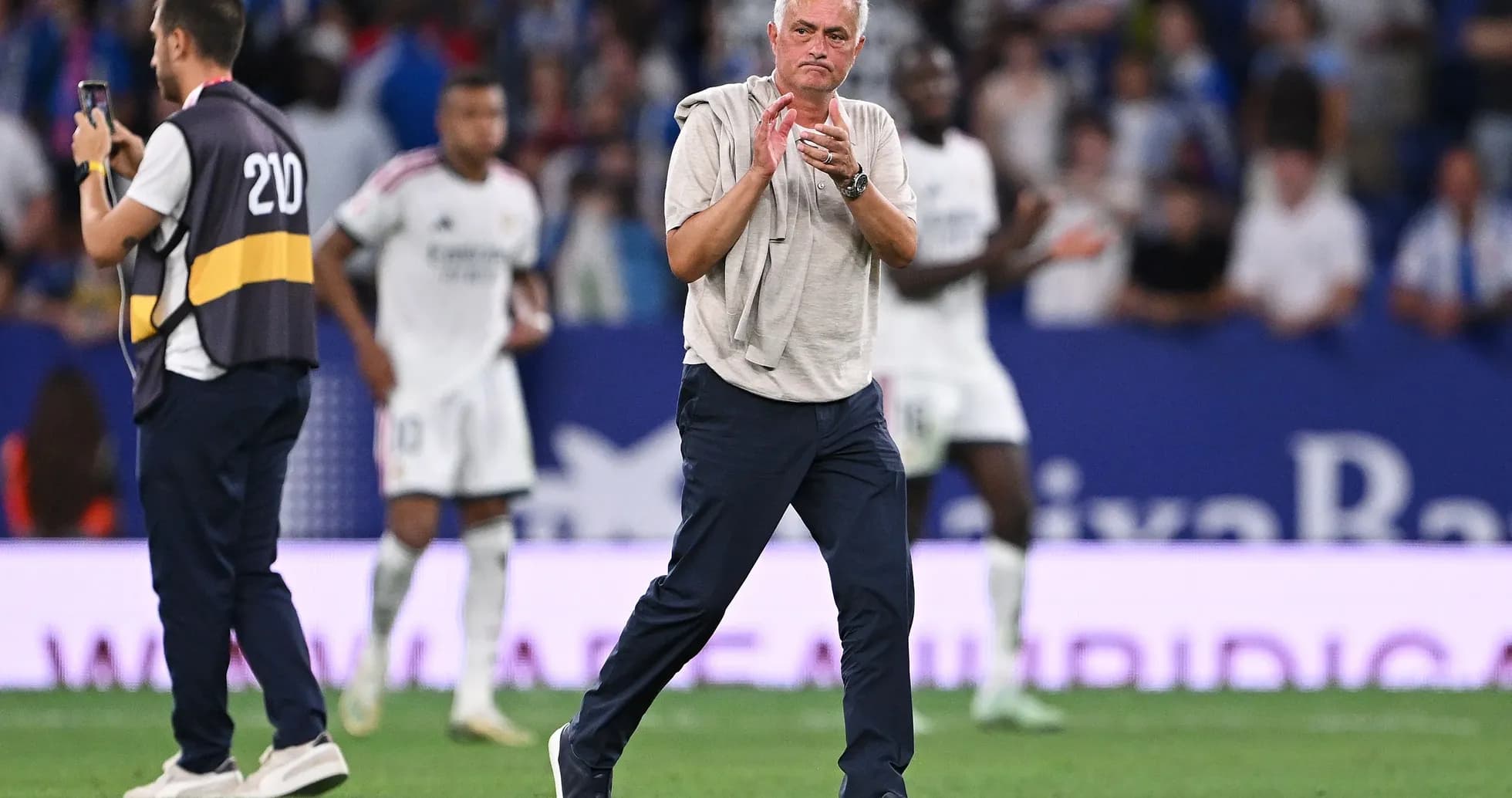
For now, Mourinho walks away with exactly what he craves most: victory. The table will show a perfect start. The performance leaves a different image, one that lingers long after Espi’s winner.
Is this just the messy birth of a new cycle, or a warning that even Mourinho might struggle to drag this version of Real Madrid back to its ruthless best?