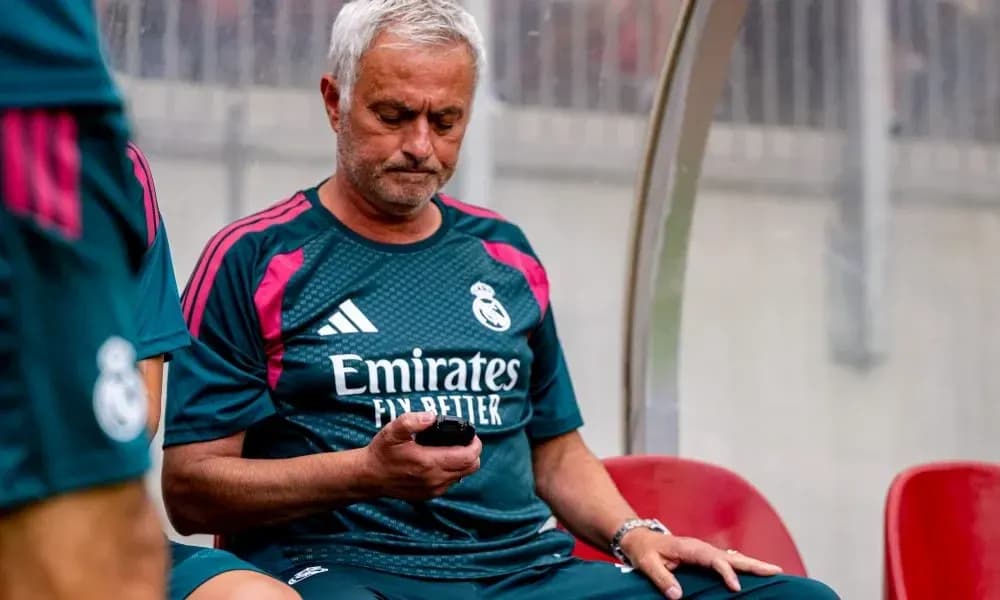
Real Madrid’s Midfield Dilemma: Finding Balance After Rodri
Real Madrid’s summer plan had a clear headline: bring Rodri from Manchester City to anchor Jose Mourinho’s new midfield. The club pushed. The player listened. But when it came to choosing a future in Spain, the 30-year-old has given priority to a move to Barcelona.
He has not signed for the Catalans yet, but one thing is already certain: Rodri will not be turning up at Valdebebas in a white shirt this summer.
That closed door leaves Mourinho with a very different puzzle to solve.
Mourinho’s 4-2-3-1, minus the ideal pivot
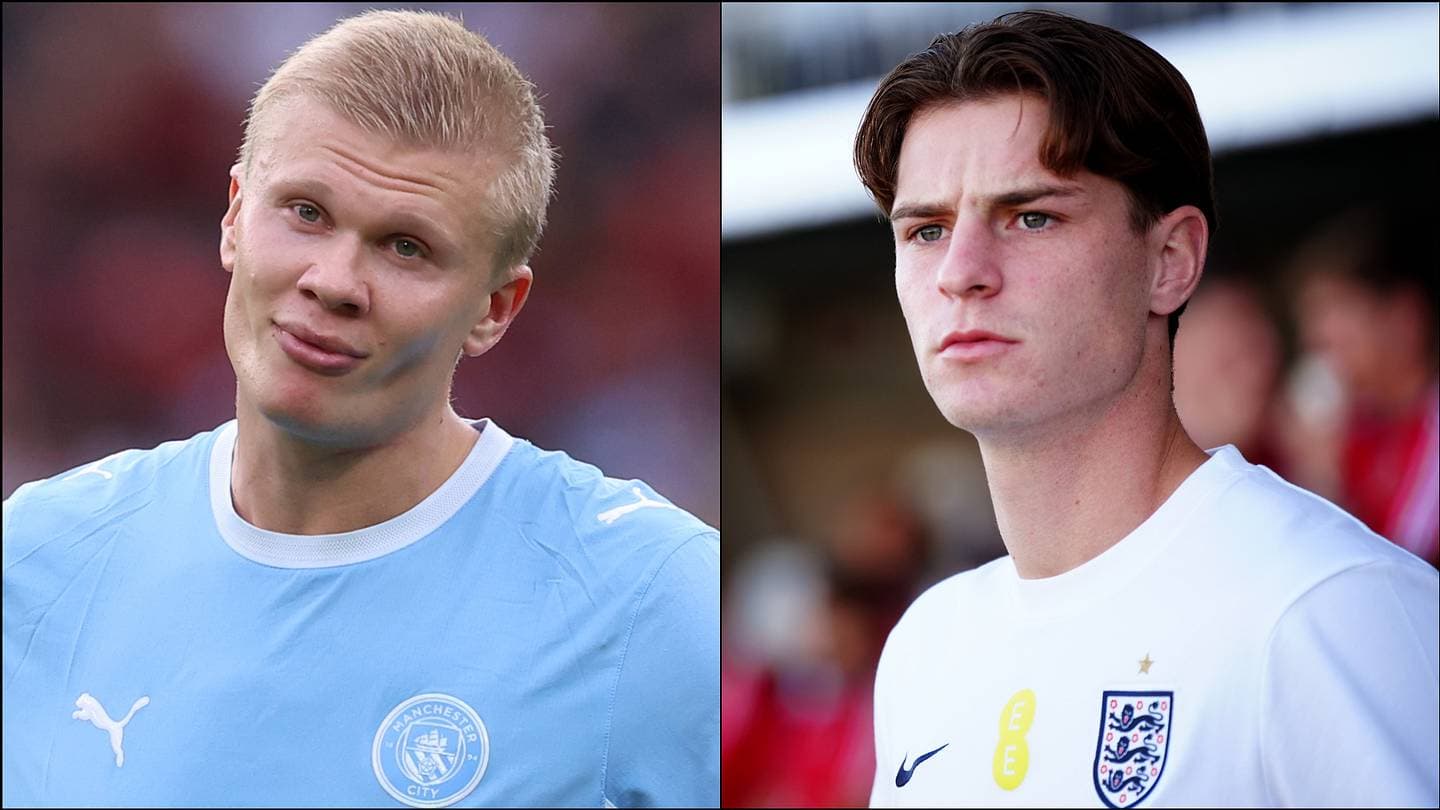
AS report that the Portuguese coach is committed to a 4-2-3-1 shape. Jude Bellingham owns the No. 10 role behind the striker; that part of the board is inked, not pencilled, especially after his World Cup for England.
It is the two deeper midfield positions that are wide open.
Without Rodri, Mourinho has to build a double pivot from the players already in the squad. Not just the two “best” names, but the pair that can actually give his system balance, control and bite across a long season.
Valverde the constant, Bernardo the new conductor
One name sits almost safely in that midfield: Federico Valverde.
The Uruguayan has taken the armband for the new campaign and looks set to be one of Mourinho’s standard-bearers. His running power, tactical intelligence and willingness to cover every blade of grass make him a natural pillar for the side. He brings energy. He brings leadership. He brings solutions when games get stretched.
Next to him, a new favourite has emerged quickly.
Bernardo Silva, more commonly seen operating higher up the pitch, has impressed Mourinho in a deeper role during pre-season. The Portuguese international has shown he can drop closer to the centre-backs, receive under pressure and still dictate the tempo.
In a world where Rodri was supposed to sit and screen, Mourinho now seems ready to experiment with Bernardo as a deeper playmaker instead. It is not the same profile, but it may be the compromise that unlocks his 4-2-3-1.
On paper, a Valverde–Bernardo partnership looks tantalising. Legs and lungs alongside control and craft. The question is whether that pairing can hold up defensively across a season that will demand far more than friendly rhythm.
Tchouameni, Camavinga and the fight to convince
Behind those two, the competition is fierce but unsettled.
Aurelien Tchouameni is expected to push hard for a starting role once he shakes off the minor physical problems that slowed his pre-season integration. His profile is the closest to a true defensive midfielder in this squad, and Mourinho knows it. His challenge is simple and brutal: prove he can be trusted as the anchor in the biggest games.
Eduardo Camavinga, meanwhile, has started every friendly so far. His situation is more complicated. Last season never fully clicked, and the doubts around his long-term role have not gone away. He has not delivered the sort of pre-season that forces a manager to build a system around him.
He is in the picture, but not yet in the plan.
Guler, Pitarch and the new pathway
Higher up the pitch, Arda Guler has been one of the standout performers of the summer. Sharp on the ball, inventive between the lines, he has made his case loudly. Mourinho, though, still sees the Turkish international primarily as a No. 10.
That is Bellingham’s territory.
So for now, Guler profiles more as the heir or the alternative to the Englishman rather than a solution in the deeper two.
Then there is Thiago Pitarch. The young midfielder, still registered with Castilla, remains in Mourinho’s first-team thoughts. Earlier in the window he looked a likely candidate to leave on loan or even permanently. The Rodri disappointment has changed that landscape.
With the marquee pivot off the table, the path has opened slightly for the Spanish breakout starlet to stay around the senior squad and fight for minutes.
The real challenge: balance, not names
Mourinho’s biggest task is not simply picking the two most talented midfielders and dropping them into the XI. The real test is finding a blend that works under pressure at the Bernabéu on a Wednesday night, and away at tricky league grounds on Sunday.
Valverde and Bernardo can look spectacular on a tactics board. They may even look spectacular in stretches on the pitch. But for Real Madrid to function without a Rodri-type presence, others must grow into bigger roles.
This season looms as a defining one for Tchouameni and Camavinga. Both are young. Both arrived with huge expectations. Neither has yet fully imposed himself as an undisputed starter in this shirt.
Mourinho has his structure. He has his No. 10. He has a captain in Valverde and a new creative axis in Bernardo. What he does not have is that single, obvious answer at the base of midfield.
If he finds the right combination, Rodri’s absence will fade into background noise. If he does not, every difficult away day will ask the same question of this Real Madrid side: who truly controls the middle of the pitch?