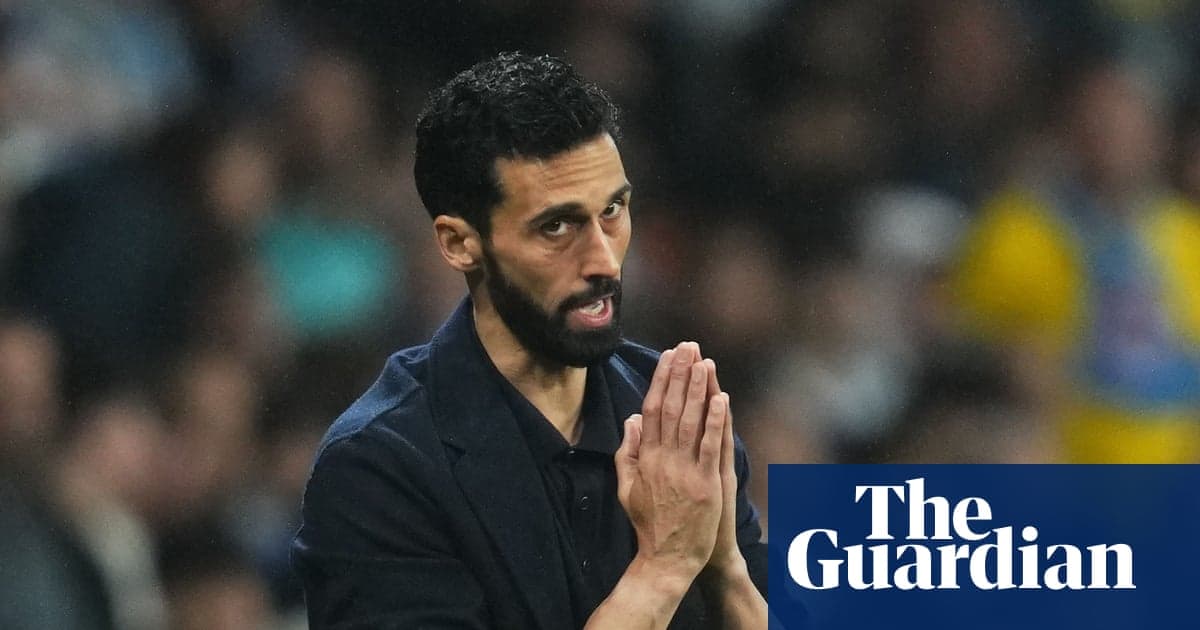
Real Madrid Faces Crisis Ahead of Clásico Against Barcelona
The vice‑captain left training in an ambulance, blood on his face and stitches waiting at the hospital, after being laid out by his own midfield partner. Another midfielder promptly announced he wouldn’t play any more – as if he had been about to play at all. The manager’s demand was hardly revolutionary: don’t stroll out as if you’re in tuxedos. Even that, it turns out, is too much.
The centre‑back hit the left‑back.
The winger fell out with the last coach.
The captain has fallen out with this one.
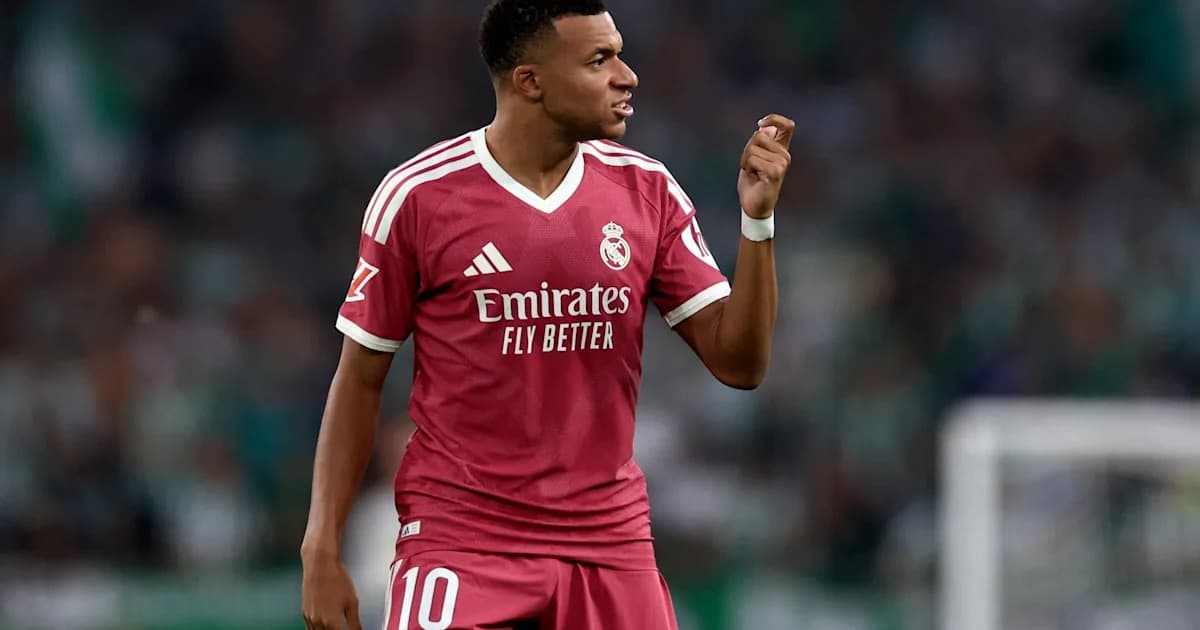
And the superstar, already accused of not caring, already accused of drifting away to Sardinia while the season burned, drove out of the training ground past the cameras, laughing as he left the wreckage behind.
A clásico at the edge of the abyss
You think the bottom has been reached. Then someone starts digging.
Real Madrid stagger into the Camp Nou on Sunday carrying what might be the most painful week anyone at the club can remember, the latest peak in a crisis that feels bigger, louder and more public than anything that has gone before. If they fail to win, and few truly believe they won’t – not with the football they’re playing, not with the fractures running through this dressing room – they will stand and watch Barcelona crowned champions with three games to spare.
The flames would rise as history is written. In 94 years of this rivalry, the league has never been decided directly in a clásico. This one effectively was decided long ago, both a cause and a symptom of the chaos that now engulfs Madrid.
So much has gone wrong that it’s hard to know where to plant the first flag. Or where the last one will fall.
“We are Real Madrid and we will fight to the end,” head coach Álvaro Arbeloa kept repeating as trophies slipped out of reach. He did not mean this. Even in defeat, Madrid were supposed to compete. Even in defeat, there was supposed to be dignity.
There is none. Only division, accusation and a dressing room where the only shared value is suspicion.
On Thursday, a training‑ground clash with Aurélien Tchouaméni at Valdebebas left Fede Valverde bleeding and suffering what the club later described in a communique as “craniofacial trauma”.
Valverde tried to smother the story. He insisted the “small” cut had come from slipping and cracking his head on a table, dismissing the idea that he and Tchouaméni had “beaten the crap” out of each other. By then it was too late. The story was everywhere. The club’s statement, meant to control the narrative, only underlined how serious it had been and shredded his version of events, confirming that both players face disciplinary action.
A second statement followed: Valverde would miss the clásico and remain at home for 10 to 14 days, a medical protocol that conveniently keeps him out of sight. On Friday, Madrid fined Valverde and Tchouaméni €500,000 (£432,000) each, insisting both had shown remorse and apologised to one another.
Valverde called the incident a product of the tension of failure. That was true, but it was also part of the reason for that failure, another symptom of a club where relationships are snapping under strain. Thursday’s fight started with him accusing Tchouaméni of leaking a confrontation the previous day. The roots ran deeper.
“There is clearly someone behind this who runs to tell the story,” Valverde wrote. Someone. The word hung in the air. People talked about a mole hunt; whack‑a‑mole might be closer, the figures popping up all over a club where ego and exposure, politics and power, drive people to brief and counter‑brief in public. At Madrid, what happens matters. That it gets told matters even more. And if you’re hunting for a leak, the top floor is always a good place to start. Or a mirror.
A culture unravelling
This is not just a bad run. It is a cultural crisis.
When Vinícius Júnior stormed off after being substituted in the autumn clásico, threatening to walk straight out of the team, the rift between him and then‑coach Xabi Alonso burst into the open. From that moment, it never truly healed. Valverde had already made his own discontent public. Yet the dressing room was not united behind them either.
“It’s not the manager’s fault,” Tchouaméni insisted at the time, pointing the finger back inside the squad. Lines were drawn. Sides chosen.
The club did not truly back Alonso. His authority drained away. As results worsened, he looked like a man working on borrowed time, right up until he was sacked after losing the Spanish Super Cup final to Barcelona in January.
Pep Guardiola had urged him to do things his own way. At Madrid, that is easier to say than to live. Alonso ran into a culture he could not reshape and a president who rarely believes in any coach long enough to let him try. The project he was hired to lead evaporated with him. So did a rare chance to change something fundamental.
Arbeloa arrived as the club man, the president’s man. That status helped him through the door and weighed him down once he stepped inside. Promoted early, he was given one simple brief: keep the players on side. Over‑simplified, yes. Unfair, too. But not entirely wrong.
“With these kind of players, all you need to do is make them happy,” Eduardo Camavinga told ESPN, even revealing that Arbeloa sometimes brought doughnuts after training. The coach spoke of a grey couch in his office, a place where players could sit and talk. Vinícius said he “couldn’t connect” with Xabi Alonso but had “a special connection with Arbeloa”.
That, though, was not unanimous. Nor was it enough.
They had to compete. They had to commit. They had to build something that worked beyond good vibes and pastries. “This is Real Madrid,” Arbeloa kept saying. That, in its own way, was the problem. “The project is to win, win, win and win again,” he declared. Instead, he has already lost seven times.
Keeping everyone happy was impossible. Trying to please everyone meant pleasing no one. It did not guarantee respect – not for the coach, not for the shirt and not for each other.
With defeat came vacuum. No leadership from a young, indulged dressing room. No firm hand from above. No shared culture of effort. Injuries bit, and the split widened. Arbeloa felt the disappointment as sharply as anyone, perhaps more than his players. Maybe he too should have followed Guardiola’s advice more ruthlessly, knowing he will not be the man on the bench next season, with a José Mourinho‑shaped shadow looming over the club.
“I tell them a lot: ‘It hurts when I see that every team runs more than we do’,” Arbeloa said last week. There was little doubt Kylian Mbappé was one of the players on his mind. “It’s not just when we don’t have the ball but when we do. We need everyone’s commitment to press, defend, attack. If you want to be a complete team, talent alone is not enough.
“Those are Real Madrid’s values. Madrid was not created by players dressed in esmoquin but by players who ended with their shirts soaked in sweat and mud, effort and sacrifice. This club always brings in the best players; when they realise what Madrid is, when talent and commitment goes together, that’s when we will be the best team in the world.”
For now, that sounds like a sermon from another era.
Choosing when to run
Arbeloa’s reign began with humiliation: a Copa del Rey exit to second‑tier Albacete. European nights offered brief flashes of something better – he even out‑thought Guardiola and Mourinho on the touchline – but those highs only deepened an awkward suspicion around the club: some players choose their games. They decide when to run, when to suffer, when to switch on. Failure, at some level, has become a choice.
Knocked out of the Champions League in Munich, Madrid then won just one of four league games in April. The structural problems never went away; the tensions only grew as the title drifted to Barcelona and the season effectively ended.
When the collapse came, so did the scramble. Fingers pointed everywhere but inward. Blame became a currency.
Dani Carvajal and Raúl Asencio clashed with the coach. Dani Ceballos asked not to be considered for selection any more. Mbappé, symbol of this project and the gulf between expectation and reality, headed off to Sardinia with his girlfriend. He was injured, and he had permission, but the images jarred. More than 30 million people signed an online petition calling for him to be kicked out.
Then Álvaro Carreras confirmed that, yes, the story of Antonio Rüdiger hitting him was true. Another fissure exposed. Another day, another crack in the façade.
And then came the fight. Valverde. Tchouaméni. Blood on the floor three days before another clásico.
Barcelona are coming to finish the job. Madrid arrive with their season in ruins and their culture in question. The league may already be lost, but what exactly is left to save?