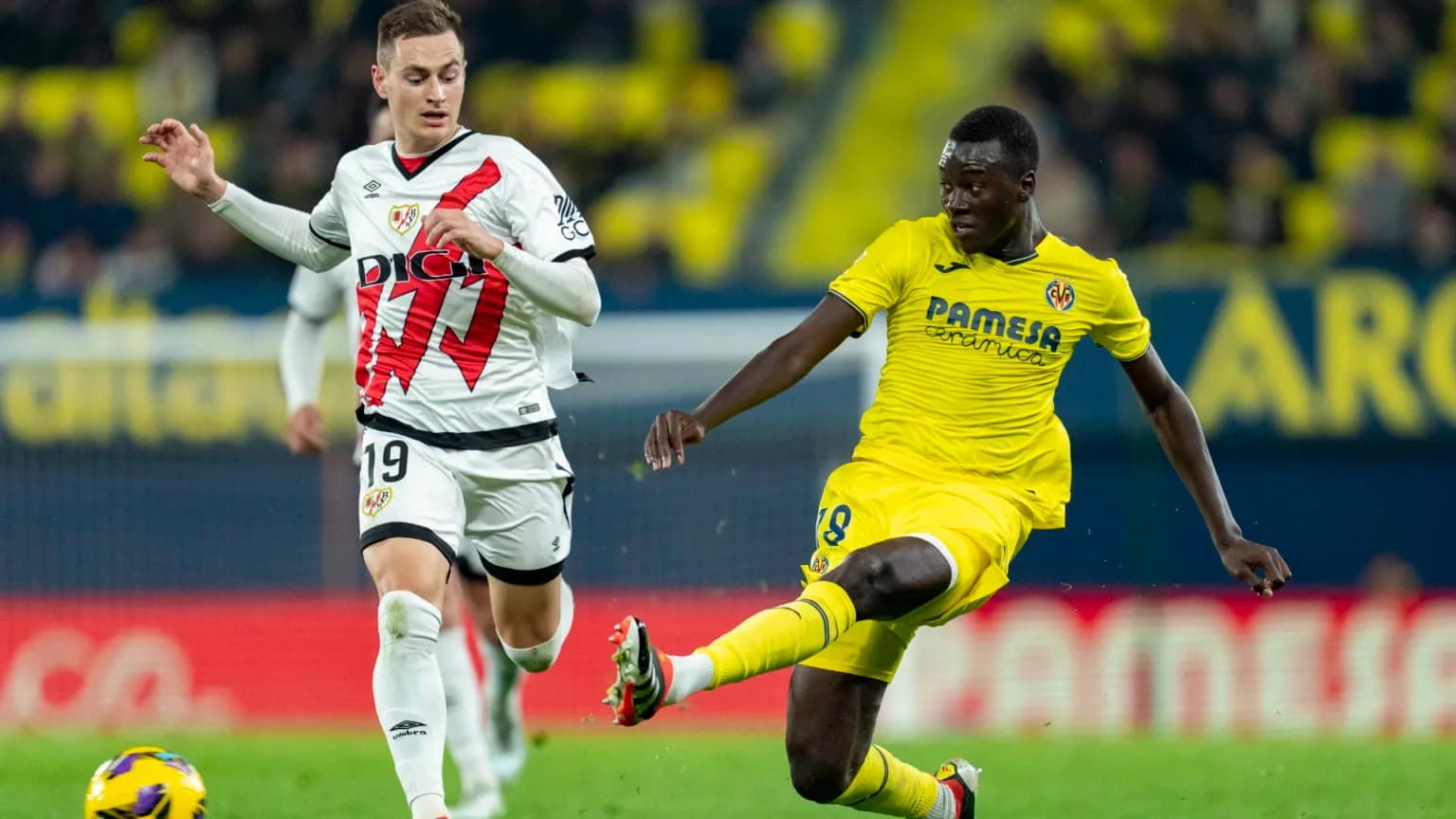
Rayo Vallecano vs Villarreal: High-Stakes Clash in La Liga
Campo de Futbol de Vallecas stages a high‑stakes clash on 17 May 2026 as mid‑table Rayo Vallecano host Champions League‑chasing Villarreal in La Liga’s Regular Season - 37. Rayo arrive in 10th place on 44 points, secure from danger but still eyeing a top‑half finish, while Villarreal sit 3rd with 69 points and a clear path towards the Champions League league phase. The contrast in objectives should shape the tone: freedom for the hosts, pressure for the visitors.
Form and momentum
In the league, Rayo’s season has been defined by resilience more than ruthlessness. Their overall record of 10 wins, 14 draws and 12 defeats (37 scored, 43 conceded) underlines a side that is hard to beat but often short of a cutting edge. The recent form line “DDWDW” in the standings confirms a late‑season uptick: just one defeat in five and a tendency to take something from games.
At Vallecas, Rayo have been particularly stubborn. Across all phases they have lost only 2 of 18 home matches, winning 6 and drawing 10. They average 1.2 goals for and just 0.8 against per home game, backed by 7 clean sheets and only 3 home fixtures in which they failed to score. Vallecas remains a difficult place to visit, with tight margins and low‑scoring contests common.
Villarreal, by contrast, have built their season on firepower. Across all phases they boast 21 wins from 36, with 67 goals scored and 43 conceded. Their form string “LDWWD” indicates some recent volatility but generally positive momentum. Away from home they are less dominant than at the Cerámica, yet still solid: 7 wins, 5 draws and 6 defeats, scoring 24 and conceding 25. That profile suggests vulnerability on the road but also the capacity to outscore opponents.
Tactical outlook: structure vs firepower
Rayo’s season statistics point strongly towards a controlled, structured approach. Their most‑used formation is 4‑2‑3‑1 (22 matches), with occasional switches to 4‑4‑2 and 4‑3‑3. The defensive numbers at home – 15 conceded in 18, with an average of 0.8 per match – highlight the importance of the double pivot in front of the back four, screening space and forcing opponents wide.
Going forward, Rayo average just 1.0 goal per game across all phases, so they rely on efficiency and set moments rather than sustained waves of attack. Their biggest home win is 3-0, and they have never scored more than three in a single league match this season. They are also relatively secure from the spot, converting all 3 penalties taken. Expect a compact block, full‑backs released selectively, and an emphasis on transitions rather than open, end‑to‑end football.
Villarreal arrive with a much clearer attacking identity. They have lined up in a 4‑4‑2 in 35 of their 36 league matches, occasionally shifting to 4‑3‑3. That front‑foot structure has produced 1.9 goals per game across all phases and a home‑heavy scoring profile (43 at home, 24 away), but the away average of 1.3 per match is still threatening.
The Yellow Submarine’s biggest home win is 5-0 and away 1-3, underlining their capacity to blow teams away when they click. They have failed to score in only 5 of 36 matches and have been flawless from the penalty spot, scoring all 6 penalties taken. The trade‑off is defensive looseness: 43 goals conceded in total, including 25 away, at 1.4 per away game. Their 4‑4‑2 often leaves spaces around the pivots, which a sharp counterattacking side can exploit.
Key players
For Rayo Vallecano, Jorge de Frutos is the standout attacking reference. The winger/forward has 10 league goals and 1 assist in 33 appearances (30 starts), with a strong all‑round output: 47 shots (26 on target), 27 key passes and a passing accuracy of 76%. He is heavily involved in duels (248 contested, 106 won) and dribbles (53 attempts, 26 successful), which fits the profile of a direct outlet on the flank or in the half‑spaces.
De Frutos has also been central in decisive moments: he has won 3 penalties and scored 1, with no misses recorded. In a match where Rayo may have to live off transitions and isolated breaks, his ability to carry the ball, draw fouls and generate shots could be their primary route to goal.
For Villarreal, the attacking burden is shared but led by Georges Mikautadze and Alberto Moleiro.
Mikautadze has 12 goals and 6 assists in 31 appearances (22 starts, 2,028 minutes). He averages 51 shots with 29 on target and contributes beyond finishing: 26 key passes, 378 completed passes at 74% accuracy, plus work out of possession (6 tackles, 5 interceptions). His 45 fouls drawn underline how often he occupies and unsettles defenders. Although he has not scored from the spot this season, he remains Villarreal’s primary penalty‑box presence.
Moleiro, operating from midfield or as an advanced playmaker, adds 10 goals and 5 assists from 35 appearances. His creative numbers are particularly impressive: 745 passes at 78% accuracy and 36 key passes. He also attempts 61 dribbles (31 successful) and is active in defensive work with 29 tackles and 8 interceptions. Moleiro has won 1 penalty but, like Mikautadze, has not converted from the spot this season.
Together, Mikautadze and Moleiro account for 22 league goals and 11 assists, a major share of Villarreal’s 67‑goal total. Stopping their combination play between the lines will be central to Rayo’s game plan.
Head‑to‑head: Villarreal dominance
The recent competitive head‑to‑head strongly favours Villarreal. The last five La Liga meetings show:
- 01 November 2025 at Estadio de la Ceramica: Villarreal 4-0 Rayo Vallecano – Villarreal win.
- 22 February 2025 at Estadio de Vallecas: Rayo Vallecano 0-1 Villarreal – Villarreal win.
- 18 December 2024 at Estadio de la Cerámica: Villarreal 1-1 Rayo Vallecano – draw.
- 28 April 2024 at Estadio de la Cerámica: Villarreal 3-0 Rayo Vallecano – Villarreal win.
- 24 September 2023 at Estadio de Vallecas: Rayo Vallecano 1-1 Villarreal – draw.
Across these five fixtures, Villarreal have 3 wins, Rayo have 0, and there have been 2 draws. Rayo have failed to score in three of those matches and have not beaten Villarreal in this sequence, which adds a psychological layer ahead of the rematch in Madrid.
The stakes and game script
In the league, Villarreal’s 3rd place and Champions League qualification tag (“Promotion - Champions League (League phase)”) give them a clear incentive to keep pushing, particularly with a powerful home record but a more modest away return. Any slip at Vallecas could invite pressure in the final round.
Rayo, 10th with a negative goal difference (-6) but strong home metrics, can approach this fixture with relative freedom. Their record of only 2 home defeats all season suggests they will back themselves to frustrate Villarreal, slow the tempo and rely on moments from De Frutos and set pieces.
Discipline could also be a subplot. Rayo’s yellow‑card distribution shows a steady accumulation across all phases of the match, while Villarreal tend to pick up more bookings in the final quarter‑hour (76-90). In a tight contest, late cards and set‑piece situations may be decisive.
Verdict
Data points towards a finely balanced clash between Rayo’s defensive solidity at home and Villarreal’s superior attacking quality and league position. Villarreal’s recent head‑to‑head record and their 67‑goal season suggest they are more likely to find the decisive moment, but Rayo’s home resilience and form “DDWDW” argue strongly against a one‑sided encounter.
Expect Villarreal to control more of the ball and create the higher volume of chances, with Mikautadze and Moleiro central to their threat. Rayo should remain compact in a 4‑2‑3‑1, look to isolate De Frutos in transition and lean on their strong defensive record at Vallecas.
A narrow Villarreal edge is logical on the numbers, but with Rayo so hard to beat at home and already having taken points off Villarreal twice in the last five meetings, a draw – particularly a low‑scoring one – remains a very realistic outcome.