Rashford's Return and Carrick's United Transformation
Ruben Amorim once told Manchester United fans they would have to suffer to succeed. Michael Carrick has walked in and calmly reminded them there is a United way to do it.
Twelve months ago, Marcus Rashford was lighting up the Camp Nou, Carrick was out of work after his sacking by Middlesbrough, and Amorim was gearing up for his first full season at Old Trafford. Now all three converge again, under a very different sky.
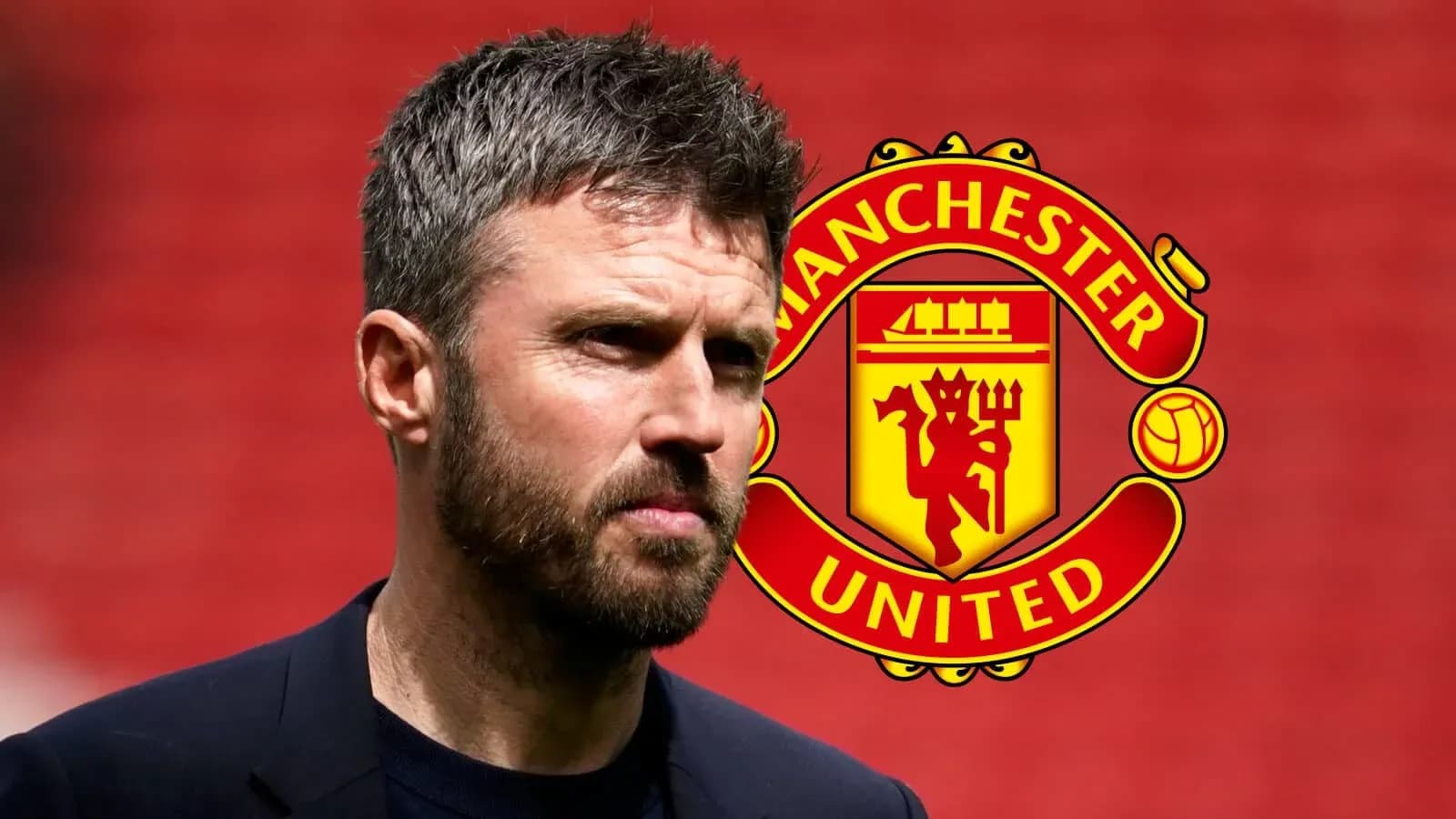
Rashford, the prodigal son, is back. The surroundings are familiar, the face on the touchline even more so. Carrick, his former team-mate and captain, is now the man in charge, arms metaphorically open, offering a player he knows well the chance to restart a story that began a decade ago in United red.
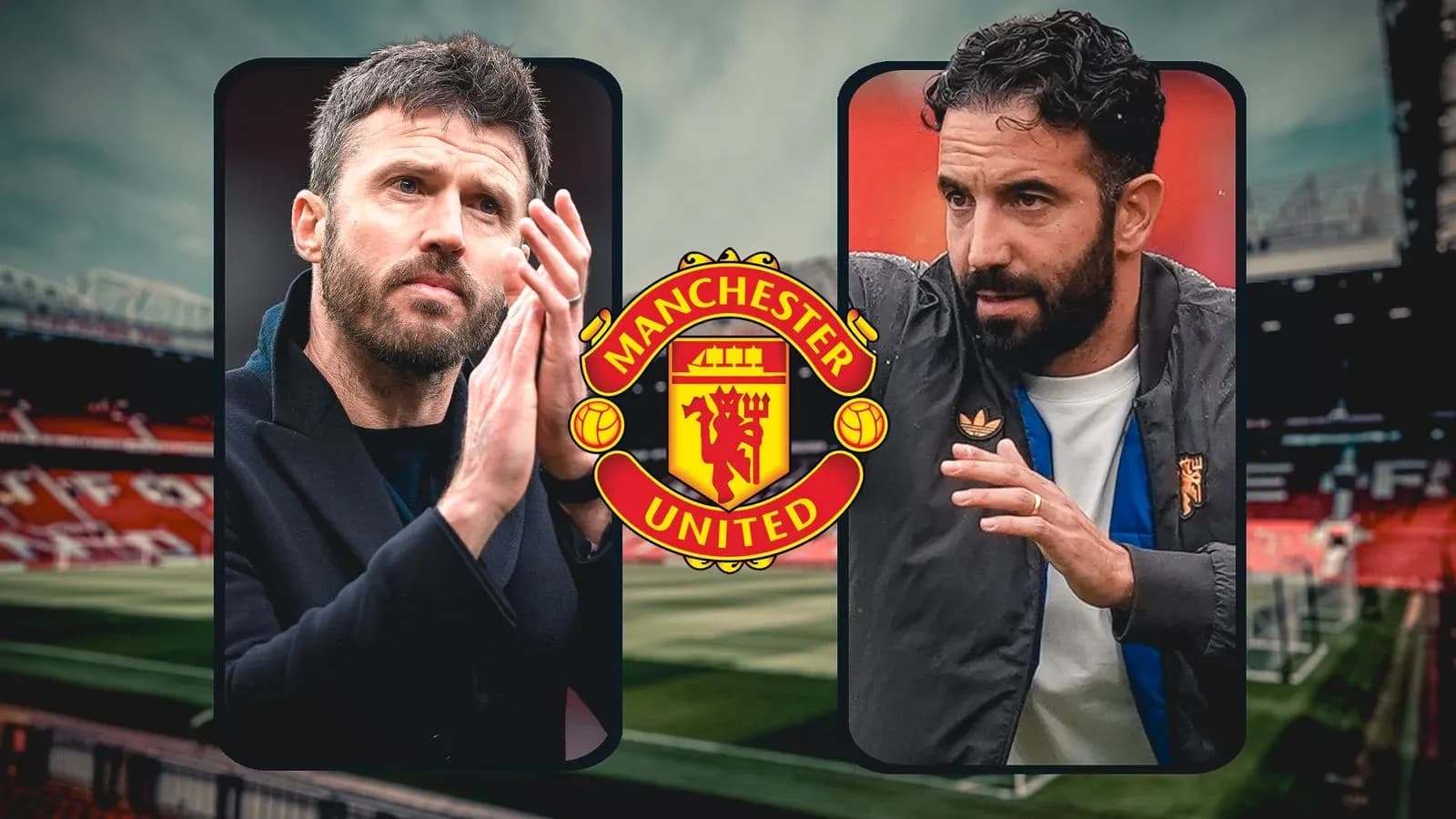
Across the technical area stands Amorim, the man who decided that story had to end. Dismissed just five months into last season, he has resurfaced at AC Milan and arrives here desperate to end a winless pre-season against the club that cut him loose. His stint at Old Trafford was noisy, combustible, always on the brink. Carrick’s has been the opposite: controlled, understated, quietly transformative.
Rashford’s return only sharpens the edge. Amorim repeatedly questioned the England forward’s attitude in public before moving him on. Saturday’s pre-season meeting with Milan is supposed to be a friendly. It feels more like the next episode of a long-running drama.
It also offers a neat pause point. A chance to look back at how United have been rebuilt since Amorim’s dismissal, and how Carrick has dragged the club from chaos to belief.
From rigid dogma to real flexibility
Amorim arrived with a system and refused to let it go. His 3-4-3 was non-negotiable. Under pressure, he famously told reporters that not even the Pope could persuade him to change it. That line became the symbol of his reign – defiant, but ultimately self-defeating.
When the Africa Cup of Nations stripped his squad of key players, the cracks widened. Results dipped, solutions never quite materialised. There were brief hints of a tweak near the end, but he always snapped back to his preferred shape. That stubbornness, and the friction it caused with the club’s hierarchy, helped bring the curtain down.
On the pitch, the discontent was just as clear. United could be exhilarating going forward under Amorim, scoring freely in spells, but the back three jarred with what Old Trafford had grown up on. It felt alien, something to be tolerated in bursts, not embraced as a long-term identity.
Those same tactical tensions have followed him to Milan. Early whispers from Italy talk of confusion, of players being squeezed into roles to fit the system rather than the other way around.
Carrick’s first game in charge blew that all away. In a Manchester derby, of all fixtures, he set United up in a way that looked and felt like United. He let the “horses run free”, as the old phrase goes, and City were carved open almost every time United surged forward. The 2-0 scoreline flattered the visitors. It could have been ugly.
That front-foot intent has bled into pre-season. United move the ball quickly and purposefully. New signing Andrey Santos has been aggressive in possession, punching passes through lines instead of playing safe. Bryan Mbeumo has come alive in a central role, constantly darting in behind, stretching defences, refusing to let centre-backs rest.
Bruno Fernandes has been one of the biggest winners. Restored to his favoured No 10 position, he went on a creative tear, finishing the campaign with a new Premier League assist record. Under Carrick, the endless debates about United’s style have faded. Everyone can see what this team is trying to be.
Belief back at Old Trafford
The change in mood has been just as stark as the change in shape.
Amorim was pure box office. His press conferences crackled with drama: talk of storms, of suffering, of a team not ready for the demands in front of it. At one point he labelled them the worst side in the club’s history. It made headlines. It did not build belief.
The league table told a different story. When he was sacked, United were still within reach of the top four, but you would never have guessed it from his demeanour. The club felt permanently on edge, braced for the next explosion.
Carrick walked into that atmosphere and quietly guided United over the line, securing a Champions League place that Amorim had insisted his side were not yet ready for. The message from the dugout shifted from fatalism to possibility.
That has bled into the dressing room. Ahead of the new season, optimism has replaced dread. Leny Yoro and Mbeumo have spoken openly about wanting to win the league. Under some managers that kind of talk might have been batted away as naive. Carrick has embraced it. He believes this squad can do something special, just a year on from a period when the club felt perilously close to a relegation battle in spirit, if not in points.
United, once again, look like a team of believers.
Second chances and the Rashford question
Under Amorim, the line felt brutally clear: fall out of favour and you were finished. In a squad whose mentality had been questioned for years, that hard stance carried a certain logic. Standards had to be reset. Excuses had to end.
Alejandro Garnacho discovered how unforgiving that could be. Kobbie Mainoo looked destined for the same path. Rashford, once the club’s poster boy, was sent on two loans as his position became untenable.
Amorim will feel vindicated in at least one of those calls. Garnacho’s spell at Chelsea failed to ignite, and he now finds himself on loan at Aston Villa, still searching for a permanent home and consistent form.
Mainoo is a different story. Given a clean slate by Carrick, he became a fixture in midfield. He did not start a league game until January, yet finished the season as one of United’s most reliable performers and earned a nomination for PFA Young Player of the Year. The talent Amorim had pushed towards the margins became central to Carrick’s rebuild.
Rashford sits somewhere between those two extremes. His ability has never been in doubt. He went to Villa and impressed in flashes, then helped Barcelona to a LaLiga title. The question was never his quality; it was his conduct. Amorim bristled at the way he carried himself. Carrick has made it clear that, if Rashford is to stay beyond the September deadline, the standard is now the culture inside the club, not the memories of what he once did.
What has changed is the door. Under Amorim, it felt locked once you stepped outside. Under Carrick, it is open, if you are willing to walk back through it the right way. He has made room for redemption, trusting his man-management as much as his tactics.
Rashford has been handed a chance many thought had gone. A new manager he knows, a club he understands, a style that suits him. The only unknown now is whether he can match the demands of this reshaped United – and whether his second act in Manchester will define Carrick’s new era or test it to breaking point.