
Provincial Championships: Drama and Pride in Armagh and Beyond
The old ground in Armagh shook last Sunday. Not from noise alone, but from the kind of raw, late drama that reminds you why the provincial championships still cut straight to the bone.
Monaghan and Derry were supposed to be done. Most in the stand had already filed the result away in their heads. Then came the chaos on the sideline, the confusion over the call, and Jack McCarron standing over a ball that might or might not change everything.
The heart-rate went with it.
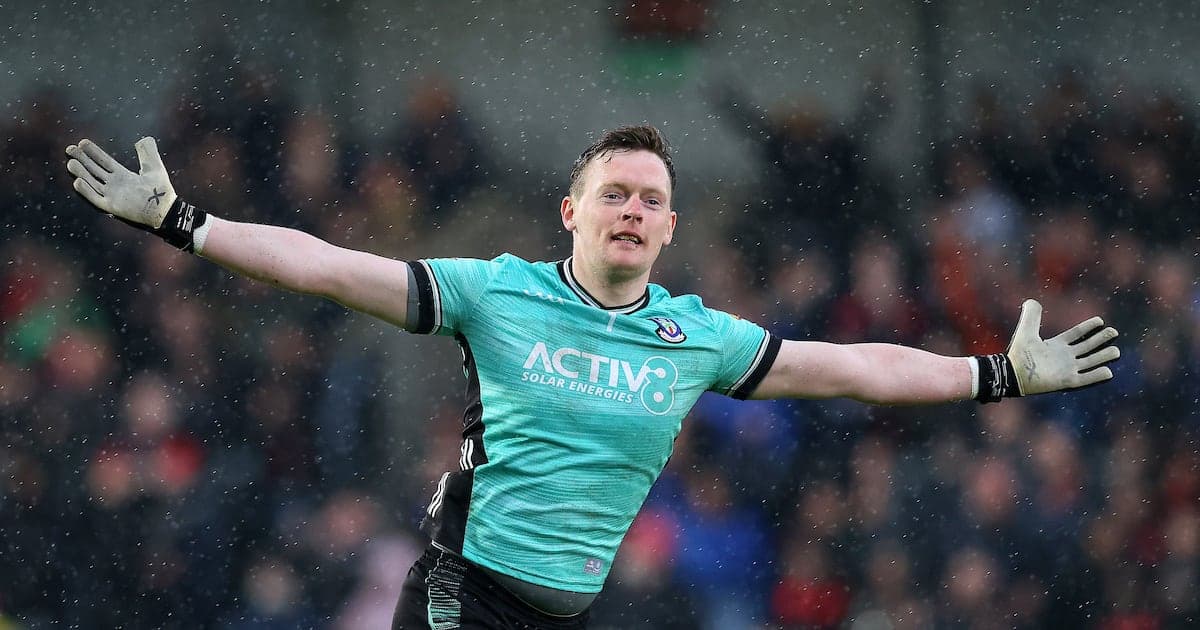
McCarron’s kick from the line, the delay before it, the arguments, the uncertainty – it all fed into a moment that showed exactly what’s at stake in Ulster. Then Rory Beggan, as he has done so often, strode up and settled it with the match-winner. Monaghan supporters have lived through this sort of torment for years; seeing it from above the pitch, you realise it’s almost easier to be in the middle of it in a jersey than helpless in the stand.
The controversy around the late sideline decision only added to the sense of occasion. Was it a one-pointer? Was it a two-pointer? Was it even a free at all? Ninety-five per cent of the stadium, if they’re honest, thought the game was over. The script was written. Then it was torn up.
Monaghan had leaders who refused to let it go. Beggan went straight to referee Noel Mooney. Davy Garland, who knows the rulebook as well as most officials from his own refereeing and umpiring work, weighed in too. They argued their case, and crucially, Mooney listened. He changed his mind. He didn’t dig in and march the game to a finish just to save face.
That took a bit of courage as well.
Once the call flipped, McCarron still had to deliver. Under all that waiting, with everything swirling around him, he produced a score that will live long in Ulster folklore. It was the kind of finish that underlines why, even in a revamped championship structure, provincial titles still mean everything to players and supporters.
They still matter. Deeply.
And that’s worth remembering in a week when the early draw for the All-Ireland series dropped into the middle of provincial season and caught a lot of people off guard.
Provincial pride in a squeezed calendar
This weekend, Munster and Connacht step into that same emotional space. Kerry–Cork in Killarney. Roscommon–Galway in Dr Hyde Park. Two fixtures soaked in history, now layered with the modern reality of a condensed calendar.
The timing of the All-Ireland series draw tells its own story. Holding it in the days leading into provincial finals is far from ideal, but the structure leaves little room for elegance. If the draw waited until the morning after the provincial deciders, some teams would be staring at a five-day turnaround and a logistical scramble. That’s not realistic either.
Unless the All-Ireland final moves back in the year, this is the trade-off: less time, more congestion, and key decisions landing at awkward moments. There simply aren’t enough weeks to do everything perfectly.
Winning a provincial championship no longer guarantees a softer landing or a clearer path in the All-Ireland series. It doesn’t bring the old structural advantages. What it does bring is momentum, identity, and a tangible piece of silverware in a season that can otherwise blur into group stages and permutations.
Teams like Donegal, Mayo and Meath, already out of their provincial races, now have space. Time to recover, to reset, to plan for their All-Ireland matches without the emotional drain of another final. For the men still standing this weekend – Padraic Joyce, Mark Dowd, Jack O’Connor, John Cleary – the calculation is different. They’ve come this far. The only thing that matters now is winning and carrying that surge with them.
Cork’s step up – and Kerry’s response
Killarney will demand answers from Cork. After a strong league campaign that finally dragged them back into Division One, they arrive with a bit of swagger and a sense that they owe Kerry a statement.
They’ll back themselves to have a cut.
For years, the accusation against Cork wasn’t about talent. On any given day, they could bloody noses. The problem was the gaps between those days. They lacked the consistent level required to climb out of Division Two and stay there. This spring, they finally pieced it together and earned their return to the top tier.
Now the question sharpens: can they take out a heavyweight Division One outfit like Kerry in their own backyard?
History doesn’t lean their way. Cork haven’t lifted the Munster title since 2012 and haven’t even reached the final since 2021. Getting back to this stage is progress, no doubt. But the venue matters. Killarney rarely offers visiting teams much comfort, and Kerry have their own reasons to be sharp.
Diarmuid O’Connor is back on the pitch. Paudie Clifford has returned to action. Those are big pieces sliding back into place for O’Connor’s side. The league final defeat to Donegal left a sting, and somewhere in the back of Kerry minds sits the thought of that looming rematch in a couple of weeks.
They can’t afford to drift towards it. Not here.
Kerry have owned Munster in recent years, and the expectation is they extend that dominance to six titles in a row. Cork may have improved, may arrive with Division One status secured and belief restored, but they’re walking into a ground and a team that know exactly how to close provincial deals.
Connacht’s edge: Roscommon’s form against Galway’s questions
If Munster feels familiar, Connacht carries more jeopardy. Galway chase five titles on the spin, but they do so against one of the form teams in the country.
Roscommon’s league form and that blistering win over Mayo have changed the tone around them. They were rampant that day, their forward play sharp and ruthless. Under Mark Dowd, they look like a side with clarity and edge. Dowd brings a no-nonsense approach and a clear passion for Roscommon football, and it shows in the way his team works.
They graft. They move the ball quickly. They play with purpose.
Enda Smith and Diarmuid Murtagh have been operating at a level that puts them right at the top of the forward charts so far this year. You can build a game plan around that kind of form. You can frighten anyone with it.
Galway know it. They have to find a way to choke off that influence, to drag Smith and Murtagh out of the game and deny them the space and rhythm they enjoyed against Mayo. If those two are allowed to dictate again, Joyce’s team could be in for a long evening in Hyde.
The problem for Galway is that they don’t quite seem sure of themselves. Their league campaign didn’t deliver many definitive answers. One major positive did emerge: Rob Finnerty stepping up as their marquee forward. He looked like the man they can hang their attack on. Oisín Mac Donnacha also impressed and offers another live option.
They’ll need every bit of that attacking sharpness now. Roscommon arrive as a form side, with confidence and structure, and no fear of the favourites tag resting on someone else’s shoulders.
Galway still have the talent and the experience of winning provincial titles under pressure. They know how to navigate these days. The sense, though, is that they must rise a level from what they’ve shown so far this year.
Provincial championships may no longer dictate the All-Ireland map, but in Armagh, Killarney and Hyde Park, they still decide something more basic and more powerful: who walks off the pitch with a medal, a roar in their ears, and the feeling that this season is heading exactly where they want it to go.



