Premier League Newcomers: Coventry, Ipswich, and Hull City
A new Premier League season always brings unknowns. This year, three of them wear sky blue, blue-and-white, and amber. Coventry City, Ipswich Town and Hull City have fought their way out of the Championship. Now comes the hard part: staying out.
Coventry look the most prepared. Ipswich arrive with a new man in the dugout and scars still fresh from their last attempt. Hull? Hull are the miracle act trying to prove it wasn’t a one‑off.
Here’s what awaits each of them.
Coventry City: Smart, sharp, and finally back
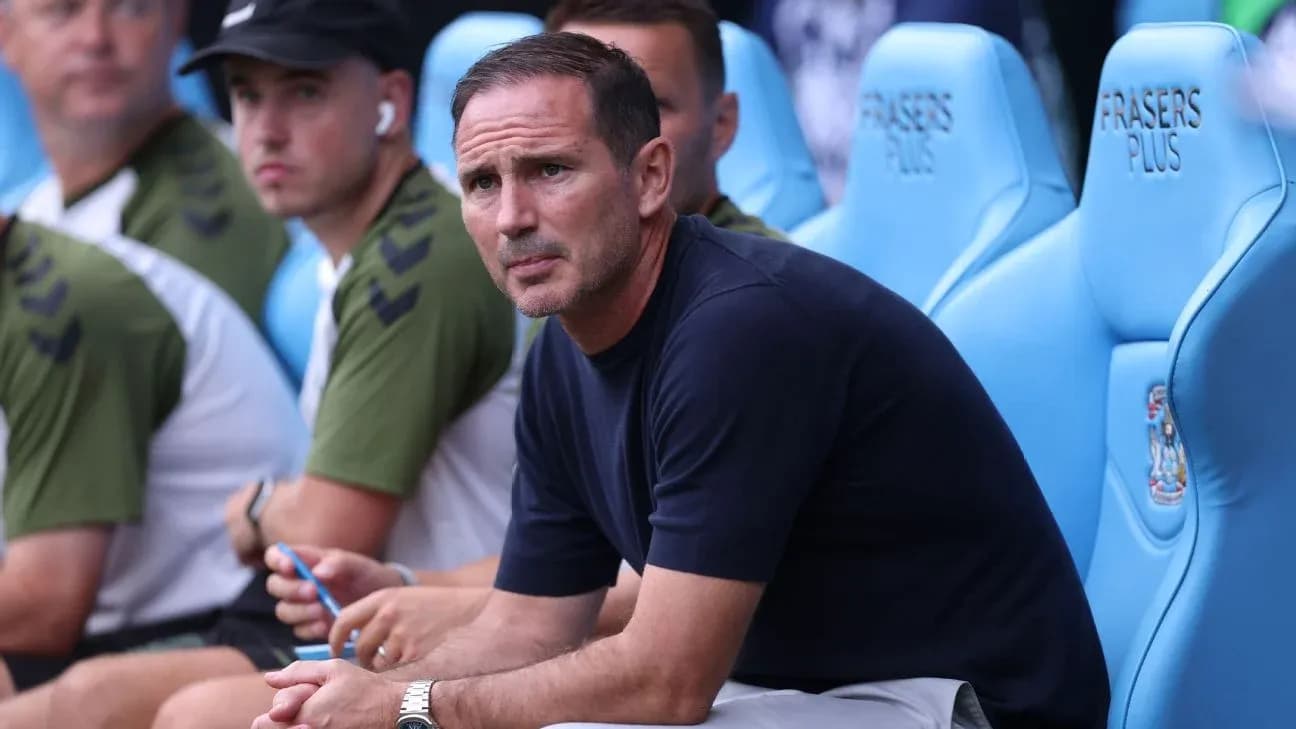
Twenty-five years after they last kicked a ball in the Premier League, Coventry City return as champions, not passengers. This promotion hasn’t come out of nowhere; it’s the product of years of shrewd recruitment finally meeting the right head coach. That man is Frank Lampard.
His side tore through the Championship with a relentlessness that never really dipped. Ninety-seven league goals – the fourth-highest tally in a 46-game season at that level – and the best defensive record with just 45 conceded. They won the title by 11 points and wrapped it up with four games to spare. That’s dominance, not a late surge.
Lampard has built a front-foot team that doesn’t lean on a single star to bail it out. Seven different players scored at least seven league goals. Coventry peppered goalkeepers, registering more shots on target than anyone else in the division and ranking second for big chances created. The base shape is usually a 4-2-3-1, but Lampard has shown he can slide into a 4-3-3 when the game demands it.
At the heart of that attacking intent sits Jack Rudoni. Once a promising midfielder, he has grown into a roaming, hard-running presence who times his bursts into the box and carries real threat. Seven goals and seven assists last season only tell part of the story; he looks like a player who has been ready for this step for a while. Now he has the stage to prove it.
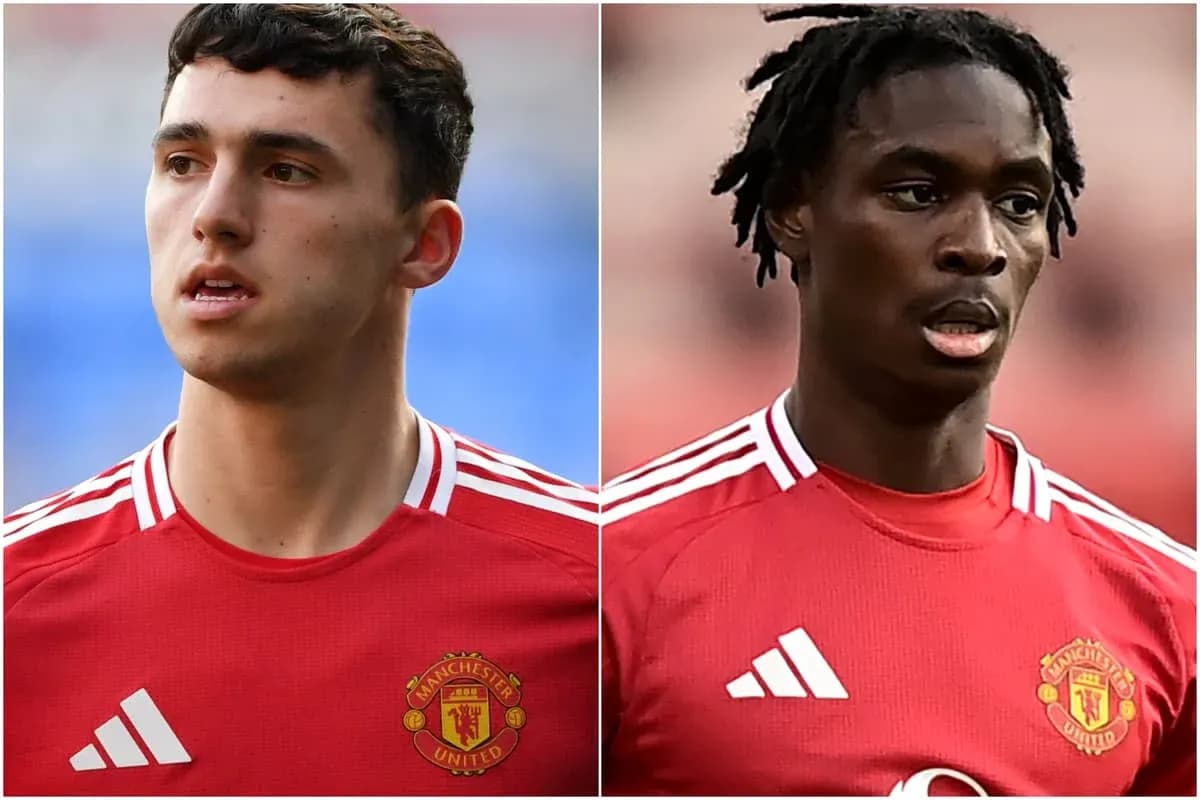
Behind him, Coventry have gone big to make sure they don’t get bullied in the middle. The club smashed their transfer record three times over the summer, the most eye-catching move being the £23.1 million signing of Caleb Yirenkyi from Nordsjaelland. Fresh from featuring in all four of Ghana’s World Cup matches – and scoring against Panama – he arrives as the anchor. A natural No. 6, Yirenkyi breaks up play, drives forward with the ball and kick-starts attacks. In a league where promoted midfields can get overrun in a heartbeat, his dynamism could be the difference between clinging on and collapsing.
The verdict? Of the three promoted sides, Coventry look the most likely to stay up. Lampard has knitted together a united, energetic squad with clear patterns of play and a spine that doesn’t wilt easily. Survival might come late and ugly, scraped together “by the skin of their teeth,” but if any of the newcomers are still standing in May, Coventry should be.
Ipswich Town: A reset after a bruising return
Ipswich Town are back again. Their last Premier League season lasted just one year and produced only four wins, 22 points and a 19th-place finish. It was a harsh comedown after back-to-back promotions under Kieran McKenna, and it cost him. McKenna has gone, his summer departure ending the most transformative era the club has had in years.
In his place stands Gary O’Neill, tasked with doing what McKenna couldn’t: keep Ipswich up.
The route back was built from the back. Ipswich posted the second-best defensive record in the Championship, keeping 17 clean sheets and conceding only 47 goals. They still couldn’t live with Coventry’s pace at the top, but they became a side that was stubborn, organised and hard to break down – a far cry from the chaos of their previous Premier League adventure.
McKenna’s pragmatism laid the foundation. O’Neill, judging by his previous jobs, is unlikely to tear it up. He favours compact, hard-working teams, often in a 4-4-2, and he will know that Ipswich’s best chance of survival lies in structure, not swagger.
In that context, Azor Matusiwa looms large. He hasn’t featured in pre-season as he works back to fitness, yet his importance is obvious. Ipswich will spend long stretches without the ball; they will need someone to close gaps, win duels and do the dirty work that keeps them in games. That’s Matusiwa’s job. If he can stay fit, he becomes a central cog in O’Neill’s plan.
Up front, the pressure lands squarely on Emersonn. Ipswich have smashed their transfer record to bring him in for £24m after a modest return of six goals for Toulouse last season. The Championship campaign offered goals from across the team – four players hit double figures – but this is a different level. Emersonn is young, raw, and has flashed genuine talent. He now has to turn promise into product, fast.
The problem is what they’ve lost. McKenna wasn’t just a coach; he was the architect of Ipswich’s resurgence, the man who changed the club’s direction and belief. His exit leaves a void that goes beyond tactics. O’Neill inherits a decent core, but the emotional and strategic centrepiece has gone.
That’s why the outlook feels bleak. Ipswich have organisation, some quality and a manager who understands survival battles. Yet the scale of McKenna’s influence is hard to ignore. Right now, all signs point to another season of struggle and, most likely, another quick return to the Championship.
Hull City: The great escape artists face their sternest test
If Coventry are the planners and Ipswich the rebuilders, Hull City are the wild card. Their story is the most improbable of the three.
Two seasons ago, they survived relegation to League One only on goal difference. They started the 2025-26 campaign under a transfer embargo. They needed a win on the final day just to sneak into the playoffs. Somehow, from that chaos, they’ve climbed into the Premier League.
Grit and defiance have carried them this far. They will need every ounce of both now.
The numbers behind their promotion are as alarming as they are remarkable. Hull conceded 66 goals in the Championship – the fourth-worst defensive record in the division. Sides with that kind of backline usually sink, not soar. Yet Hull found ways to compete with the better teams, performing strongly against top-10 opponents and showing real resilience away from home.
Then came the playoffs. The same side that leaked goals all season suddenly shut the door completely. They didn’t concede once across the playoff campaign, finishing the job with a 1-0 win over Middlesbrough in a final overshadowed by ‘Spygate’ accusations. For a team with their defensive record, it was a staggering turnaround.
Sergej Jakirovic deserves huge credit. He arrived as a relative unknown and quickly stamped his ideas on the squad. Hull typically line up in a 4-2-3-1, but Jakirovic has shown he can switch shape to exploit weaknesses, moving to a back three with wing-backs to hurt Millwall in the playoff semifinal. He talks constantly about the collective, about the unit being Hull’s greatest strength, and his players have bought into that message.
On the pitch, Ryan Giles embodies that approach. Nominally a left-back, he has become Hull’s main playmaker, surging forward and delivering with precision. Eight assists in the Championship underline his influence, and his crossing and set-piece quality give Hull a weapon they can lean on when chances are scarce.
The summer transfer window told its own story: Hull know they must fix the defence. They shattered their transfer record to sign goalkeeper Konstantinos Tzolakis from Olympiacos. His form between the posts will be critical if Hull are to cling to safety. There is intrigue, too, around Lucas Gourna-Douath. Once tipped for big things, the 23-year-old midfielder arrives with something to prove. If he can rediscover his best, Hull might have unearthed a cornerstone for the future.
Strip away the romance, though, and the warning signs are loud. This is a squad short on top-level quality, experience and depth. The defensive record is a glaring concern, and there are real doubts about where the goals will come from over 38 games against Premier League defences.
Hull have already torn up one script to get here. Now they face a harsher question: can sheer resilience and togetherness really be enough to survive in the most unforgiving league in the world?