Premier League Clubs’ Spending in the 2026/27 Season
The Premier League’s summer transfer window is always full of surprises and big money moves. This season, some clubs have already spent heavily while others are holding back, waiting for the right deals to come along.
Chelsea has led the spending charts, having already invested close to £300 million on new talent. Other clubs have taken a more cautious approach, focusing on balancing their books or reinvesting income from player sales.
Clubs with Positive Net Spend (Ranks 20-16)
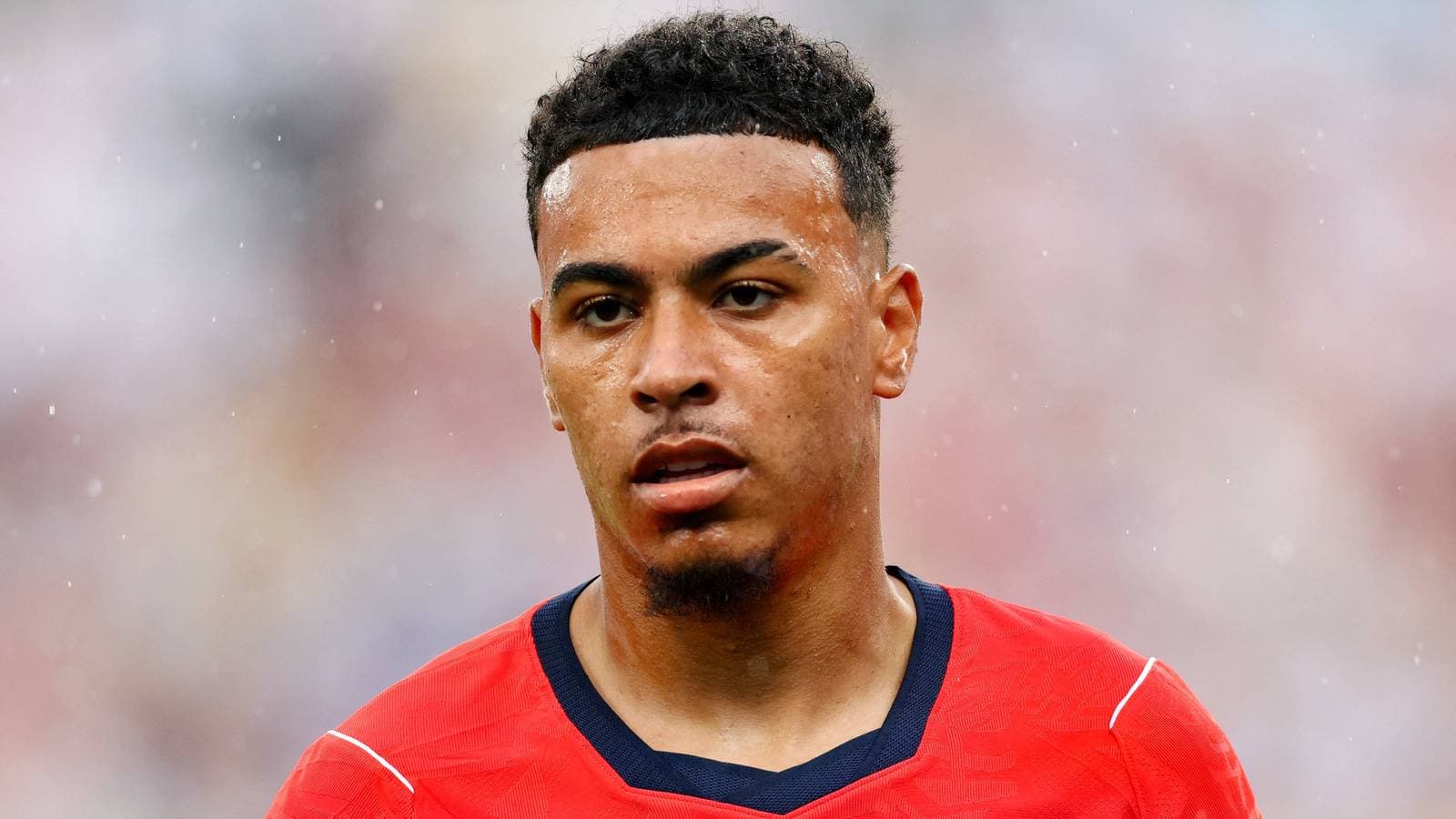
Some teams have actually made a profit this summer, selling key players and spending less than they earned. Nottingham Forest tops this list after selling Elliot Anderson to Manchester City for £116m, resulting in a net gain of £106m despite signing Gustavo Sa. Aston Villa also enjoyed a financial boost by selling Morgan Rogers, Youri Tielemans, and Donyell Malen, reinvesting nearly £100m in players like Johan Manzambi and Joao Gomes.
- Nottingham Forest - Expenditure: £17m, Income: £123m, Net Spend: +£106m
- Aston Villa - Expenditure: £90m, Income: £194m, Net Spend: +£104m
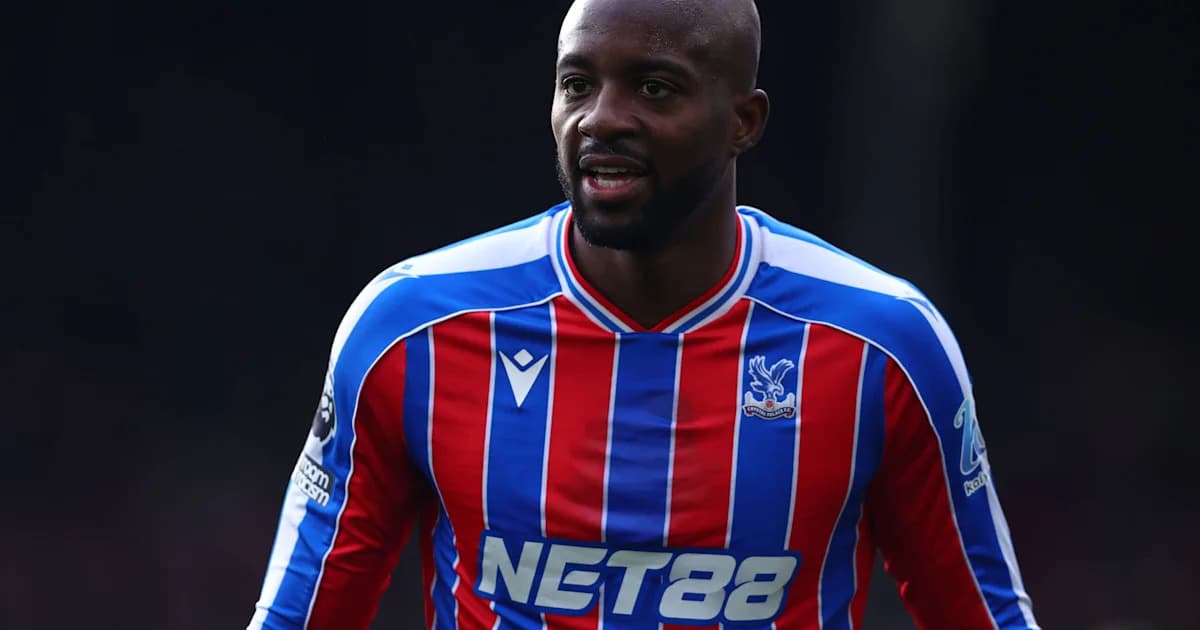
- Crystal Palace - Expenditure: £0, Income: £52m, Net Spend: +£52m
- Newcastle United - Expenditure: £112m, Income: £161m, Net Spend: +£49m
- Sunderland - Expenditure: £0, Income: £19m, Net Spend: +£19m
Mid-Table Clubs Balancing Spending (Ranks 15-11)
Hull City and Fulham have opted for balanced transfer activity, making numerous ins and outs without large net spending. Leeds United took a risk with Bosnian World Cup star Tarik Muharemović but offset some cost by selling Pascal Struijk. Meanwhile, Brentford and Bournemouth made key signings to bolster their squads after strong finishes last season.
- Hull City - Expenditure: £3m, Income: £10.5m, Net Spend: +£7.5m
- Fulham - Expenditure: £5m, Income: £8.5m, Net Spend: +£3.5m
- Leeds United - Expenditure: £32m, Income: £22m, Net Spend: -£10m
- Brentford - Expenditure: £30m, Income: £6m, Net Spend: -£24m
- Bournemouth - Expenditure: £37m, Income: £10m, Net Spend: -£27m
Top-Spending Teams (Ranks 10-6)
Arsenal strengthened their squad with two major signings, including a permanent deal for Piero Hincapié at £34m. Brighton crossed the £100m expenditure mark, highlighted by Luka Vušković’s £46m move from Tottenham. Newly promoted Coventry City has brought in several players but no sales yet. Manchester United focused on midfield upgrades, while Everton invested in youth without generating income so far.
- Arsenal - Expenditure: £68m, Income: £32.5m, Net Spend: -£35.5m
- Brighton - Expenditure: £108m, Income: £69.5m, Net Spend: -£38.5m
- Coventry City - Expenditure: £41m, Income: £0, Net Spend: -£41m
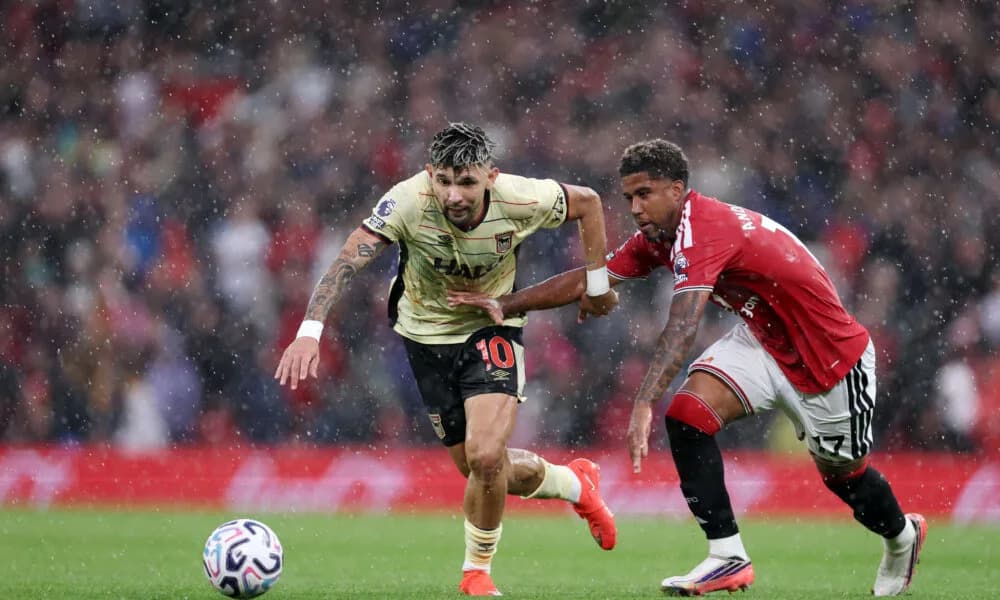
- Manchester United - Expenditure: £83m, Income: £38m, Net Spend: -£45m
- Everton - Expenditure: £56m, Income: £0, Net Spend: -£56m
Biggest Spenders (Ranks 5-1)
Ipswich Town, newly promoted, has already spent close to £85m, prioritizing quantity over marquee fees. Liverpool made two major signings despite losing some players on free transfers. Manchester City focused on youth recruitment while selling defenders for good sums. Tottenham Hotspur continued their squad overhaul with huge outlays on Sandro Tonali and others. At the top, Chelsea spent nearly £300m, signing young talents like Marco Palestra and securing big transfers such as Morgan Rogers (£118m) and Maxence Lacroix (£52m).
- Ipswich Town - Expenditure: £84.5m, Income: £7m, Net Spend: -£77.5m
- Liverpool - Expenditure: £89m, Income: £0, Net Spend: -£89m
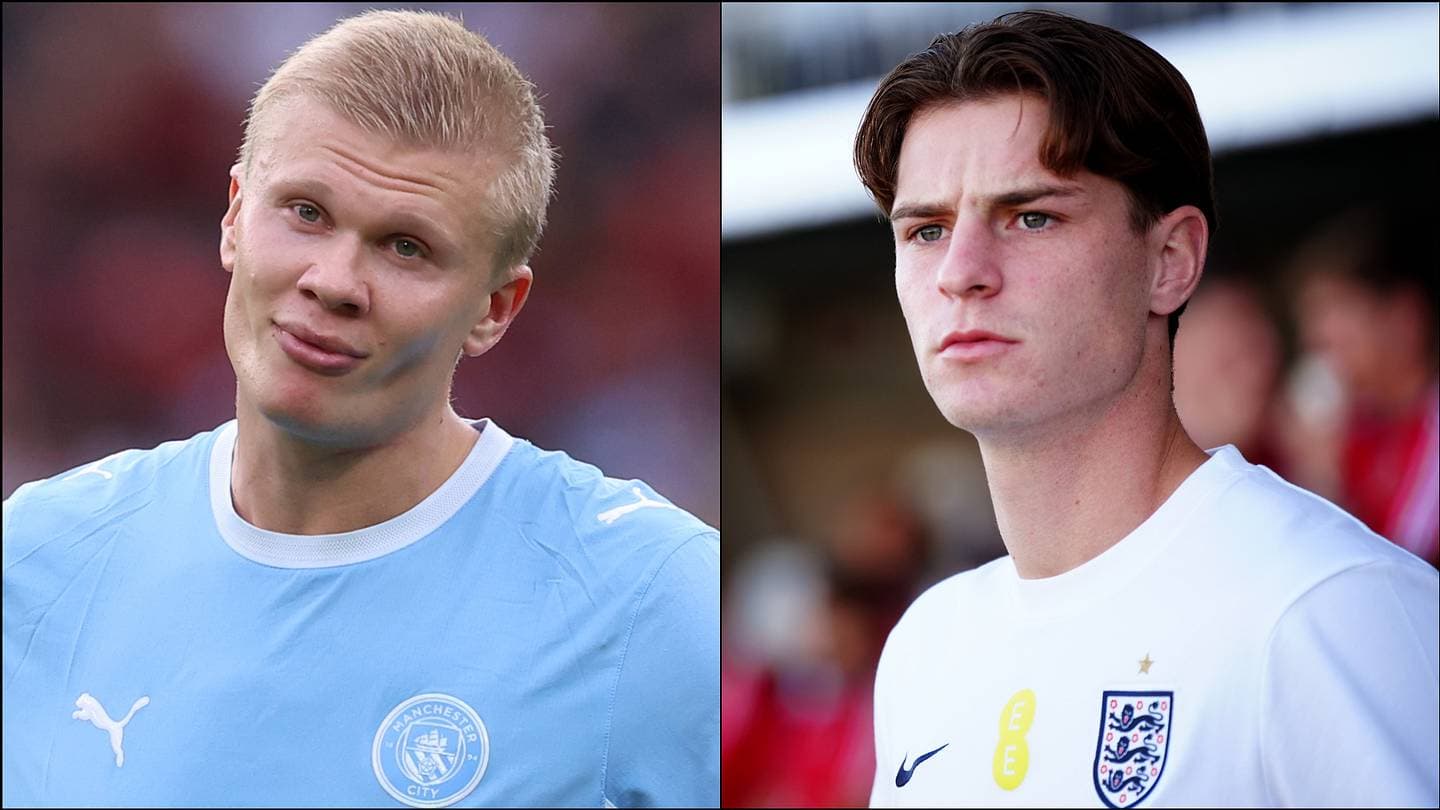
- Manchester City - Expenditure: £150m, Income: £20m, Net Spend: -£130m
- Tottenham Hotspur - Expenditure: £228.5m, Income: £70m, Net Spend: -£158.5m
- Chelsea - Expenditure: £294m, Income: £113m, Net Spend: -£181m