Premier League Chaos: Spurs Struggle, Hull Shocks United
New season, same chaos. The Premier League is barely out of the box and already Spurs are a mess, Manchester United have been turned over by newly promoted Hull, and QPR have kept a clean sheet in front of a full house. Yes, really.
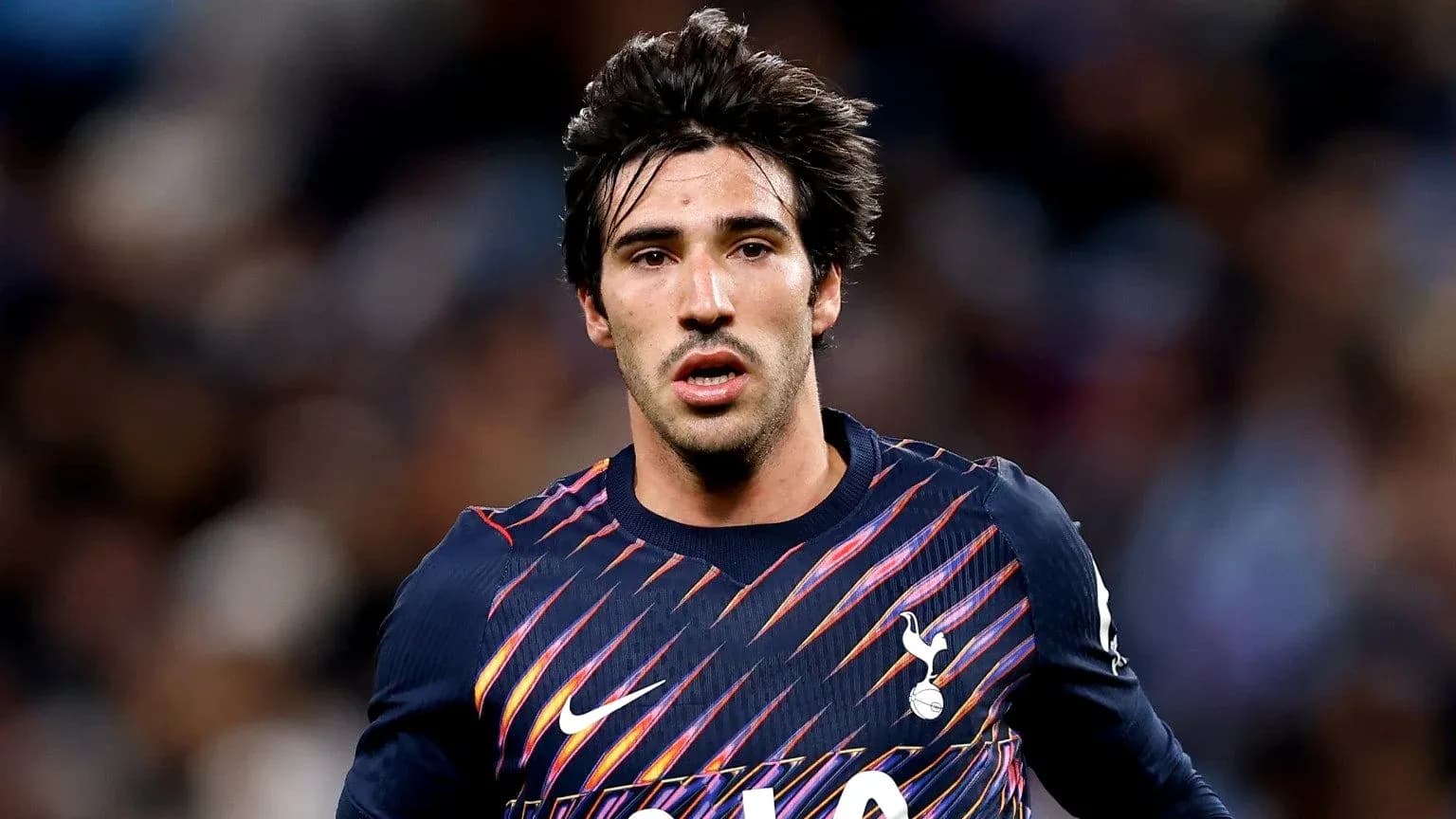
Spurs in disarray, numbers to match the mood
Tottenham’s defeat has lit up inboxes and comment sections in a way that will feel grimly familiar to their fans. One message from Alastair Hagger cut straight through the noise: “Spurs = Utter shambles. There is no spine to the team. No centre forward, no strength in midfield, centrebacks who don’t want to head the ball, a raw and inexperienced goalkeeper. We are in trouble already.”
Roberto De Zerbi didn’t help the mood. His post-match line – “we weren’t ready for the start of the season” – landed like a punchline Spurs fans have heard too often. Brentford, who looked razor sharp, clearly had no such issues.
The numbers underline the alarm. As commenter fallentower pointed out, Spurs conceded 3.96 expected goals – their second-highest xG against in 14 years of data, only behind the 3-6 collapse against Liverpool in 2024. This wasn’t just a bad day. Statistically, it was one of their worst defensive performances of the modern era. Massive work lies ahead at the back.
For anyone keeping score on the xG front, Matt H weighed in with a comparison: Manchester United “won” their game on expected goals, 1.8 to 1.3, and could argue they were unlucky. Tottenham, by contrast, were thrashed 4.0 to 0.5 on the metric. One side can cling to fine margins. The other cannot.
Hull stun United, Ipswich and Leeds deliver late drama
Hull City produced the shock of the opening weekend, cruising past Manchester United 2-0 on their Premier League return. Calm is not the word around Old Trafford, even if Michael Carrick tried to impose it, urging everyone to “stay calm” after week one. As rallying cries go, it sounded more like damage limitation than early-season swagger.
The promoted clubs, though, are setting a very different tone.
Ipswich marked their own return to the top flight with a 90th-minute winner against Sunderland. A perfect script for the Tractor Boys: back in the big leagues, and snatching the points at the death.
Sam Cunningham’s report from Portman Road picked out Emersonn as one of the most intriguing stories in this Ipswich side. His path here hardly screamed “Premier League match-winner”: 13 games without a goal and a serious knee injury at Athletico Paranaense, two league goals in 17 at Goztepe, then six in 28 for Toulouse. Modest numbers, modest profile. Yet someone in Ipswich’s recruitment team saw enough to believe he could make the difference at this level. On early evidence, they might just be right.
Leeds added their own dose of late drama, snatching a 1-0 win away to Forest. The match was settled by the excellently named Anton Stach, who did the snatching – or “statching” – in the closing stages to steal the points.
Lincoln’s day in the spotlight was less kind on the scoreboard, but not in spirit. Aaron Bower was at their long-awaited return to the second tier, their first since 1961. The result went against them, yet the sense of occasion and optimism remained intact.
QPR clean sheet, West Ham fall, Championship stories brewing
In the Championship, QPR delivered something that has been in short supply: a clean sheet. A 0-0 draw with Bolton might sound drab on paper, but for the R’s it meant a shutout in front of a full house. For a club used to living on the edge, that felt almost surreal. “What a world,” as the live coverage put it.
West Ham, meanwhile, suffered defeat to Charlton, a result that will sting no matter the context. The Hammers’ summer of transition has already thrown up a setback.
Hull’s win over United will dominate the headlines, but the broader picture in the EFL is lively. One of the standout pieces of the week was a Championship round-up that captured the scale and energy of the division’s opening weekend. Promotion chases and survival bids are already being sketched out, even if no one will admit it in public yet.
Possession on trial in a post-Pep landscape
The tactical undercurrent of the weekend might just be this: what does the Premier League look like after Pep Guardiola?
Phil Grey, emailing in, spotted a trend. All five winners yesterday had less of the ball than their opponents. It chimed with a stat from QPR’s own season: 16 wins, and in every single one they saw under 50% possession. The message? You don’t need the ball to control the game, or at least to win it.
So is this the beginning of the end for possession-heavy football as the default? Or just a quirk of opening weekend? For now it’s a question more than a conclusion, but the pattern is hard to ignore.
The idea of a post-Pep Premier League has opened the door to broader speculation. If his era defined control, structure and territorial dominance, the next one might be defined by transition, chaos and ruthless efficiency on the break. The league has always been a laboratory for tactical shifts. This could be the next big one.
City’s Rodri problem and Maresca’s first test
All of which leads neatly to Manchester City and the question that frames their season: how do you replace Rodri?
New City manager Enzo Maresca inherits a treble-winning machine, but also a glaring problem. Rodri has been the metronome, the shield, the safety net. Take him out and the whole structure feels exposed. The live blog threw the question out to readers: if you had City’s budget and power, how would you do it?
There is no like-for-like answer. That’s the point. Maresca must either reinvent the role or rewire the system. His work starts in earnest today, with Bournemouth visiting the champions at 2pm. Every touch in midfield will be watched with that Rodri-shaped hole in mind.
Villa, Brighton and the day ahead
The day’s schedule is stacked. Brighton host Aston Villa at 2pm, a meeting of two clubs who have made smart decisions and bold moves in recent seasons. Jonathan Wilson’s preview of Villa’s campaign framed it neatly: it’s all change, but risk can often equal reward. Unai Emery’s side are edging towards the bracket of serious contenders, but the margins are thin.
At the same time, City face Bournemouth. Then, at 4.30pm, comes the headline act: Newcastle v Liverpool at St James’ Park, with Alexander Isak back on Tyneside and central to the narrative. It’s the kind of fixture that can tilt early-season mood music dramatically in either direction.
Barcelona and PSG are also in action as the major European leagues slip into gear. The sense is of a continent waking up at once, storylines forming everywhere you look.
Football, politics and a cabinet of managers
Between the serious stuff, a different kind of game has taken hold: build your dream political cabinet using only football managers.
The suggestions have been wildly entertaining. One reader installed Arsène Wenger as Prime Minister, Unai Emery as Chancellor, Pep Guardiola as Foreign Secretary, Carlo Ancelotti as Home Secretary and Mikel Arteta as Defence Secretary, with José Mourinho as Leader of the Opposition. “Parliament will be fun,” they concluded. Hard to argue.
Another opted for “King Kenny for PM” and refused to hear any counter-argument. Jurgen Klopp has been pitched as Prime Minister too, with Kevin Keegan “prominent” in the set-up. Neil Warnock has been nominated as PM in one fantasy line-up, backed by Clint Hill as Chancellor. Duncan Ferguson has even been flung into the role of Foreign Secretary, a prospect that would make diplomatic summits must-watch television.
One emailer, Dave Estherby, went straight for the money brief: “Not sure how much of a hand he actually had in this but £200m for Isak and Gordon is nailing Eddie Howe for Chancellor.” If transfer-market shrewdness is the qualification, Howe’s CV is strong.
Even real-life politics crept in at the edges. Andy Burnham was spotted in the stands watching his beloved Everton beat Crystal Palace 2-0. A fun detail emerged: the Mayor of Greater Manchester is seven years younger than David Moyes. Not the age gap many would have guessed, but you can imagine the cabinet meeting.
The game has become one of the themes of the day, a light-hearted counterweight to the heavy tactical and emotional lifting elsewhere. But it also speaks to how football managers are now seen: not just tacticians, but leaders, communicators, lightning rods for entire institutions.
A season already bristling with questions
So here we are: Spurs reeling, United shocked, promoted sides punching up, possession football under scrutiny, City trying to solve the Rodri riddle, and a nation of fans busy appointing Klopp, Wenger and Mourinho to imaginary high office.
The fixtures today will answer none of the big questions definitively. They rarely do in August. But they will shape the mood, nudge narratives, and either calm or inflame the fanbases already on edge.
Hull have announced themselves. Ipswich and Leeds have shown late drama is very much back on the menu. QPR have discovered that life without the ball can be strangely comforting. And somewhere in Manchester, Enzo Maresca is working out how to replace the irreplaceable.
If this is week one, what on earth does the rest of the season have in store?