Premier League 2026-27 Season: New Laws and Fresh Faces
The Premier League is back – and it’s not quite the one you remember.
On Friday night the 2026-27 season kicks off, the same rivalries and colours flooding back, but under a slightly different game. New laws, new dugout faces, record-breaking transfers and even fresh voices on TV and radio. Before the first whistle goes, the landscape has already shifted.
New laws, new clock
Time-wasting has been dragged to the front of the agenda.
Referees now have a weapon they’ve never had before: a visible five‑second countdown at goal-kicks and throw-ins if they feel players are deliberately running the clock down. Once that countdown starts, the onus is brutal and clear. Take longer than five seconds and the punishment bites: a goal-kick turns into a corner; a throw-in is handed to the opposition.
The clampdown does not stop there. The enforced time off for injured players is being stretched. Last season, if play stopped for an injury, the player had to leave the pitch for 30 seconds. From this campaign it becomes a full minute, designed to strip away the temptation to go down cheaply. Only specific scenarios escape the rule – for example when a carded foul causes the injury, or in other exceptional cases.
Goalkeepers have also lost their favourite breather. If a keeper goes down and play stops, the manager must pick another outfield player to leave the pitch for a minute. Tactical “injuries” now come at a cost to the team, not just to the clock.
Substitutions will be sharper too. Players have 10 seconds to get off. Take longer, and the incoming substitute has to wait an extra minute before entering the pitch. Late-game strolls to the touchline suddenly look a lot less attractive.
VAR’s reach has been tweaked rather than overhauled, but the changes are significant. Video assistants can now intervene when a second yellow card has been shown in error, offering a safety net in situations that previously left teams stuck with a wrongful dismissal. What they still cannot do is recommend a second yellow that has not been issued on the field.
They will also be able to step in when an attacking foul occurs before a set piece that leads directly to a penalty, a goal or a disciplinary sanction. If that foul is spotted on review, the set piece can be ordered to be retaken.
One thing that will not cross over from international football: the World Cup rule that saw players sent off for speaking to opponents with their mouths covered. The Premier League has chosen not to adopt that measure.
A dugout revolution
On the touchline, the league looks just as different.
For the first time, Arsenal enter a season as defending champions under the longest-serving manager in the division. Mikel Arteta, in charge since 2019, finally delivered the title last season and now sits at the top of the longevity chart. Behind him come Aston Villa’s Unai Emery and Leeds’ Daniel Farke.
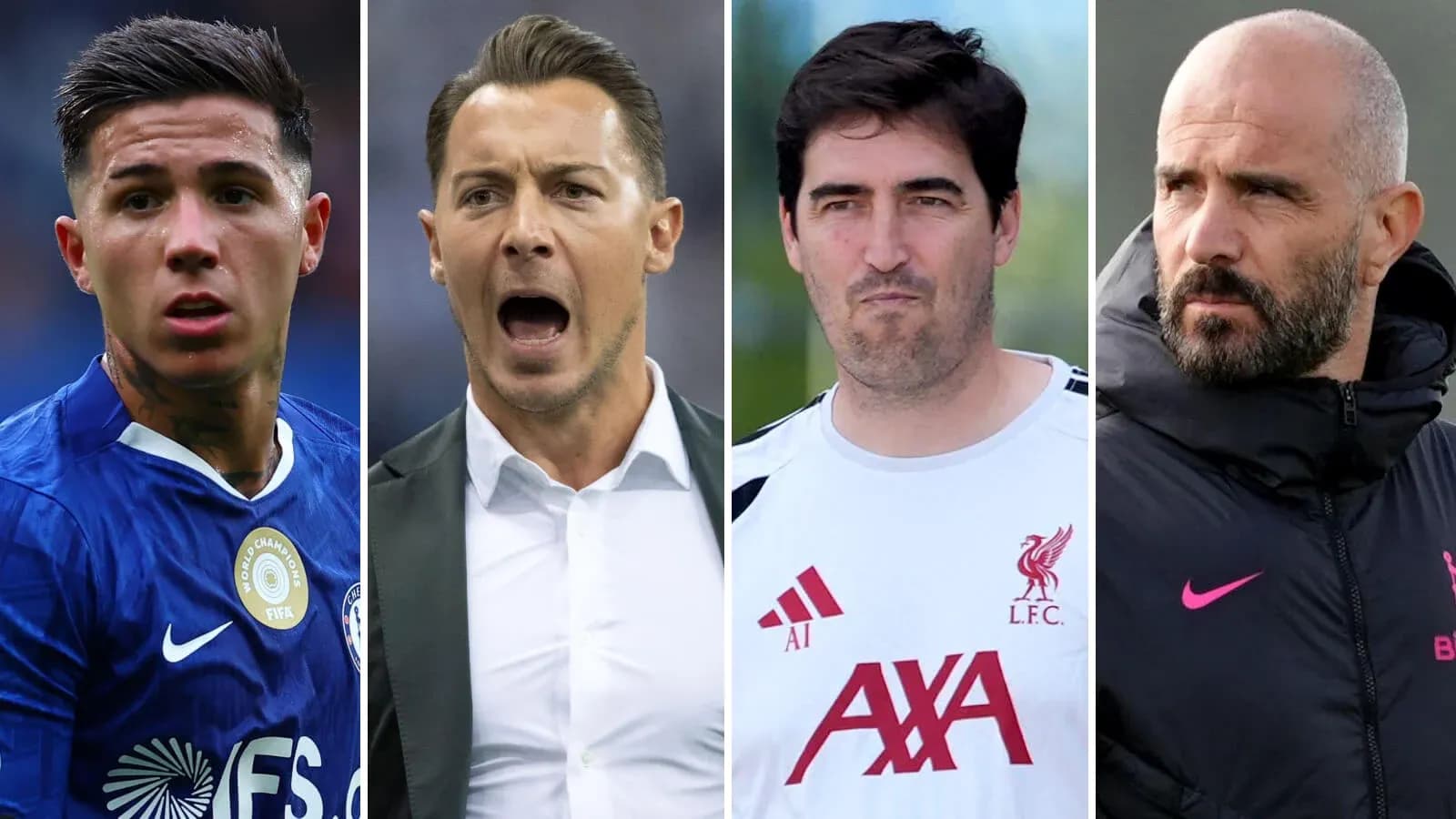
Around them, the churn has reached record levels. This season begins with more new managers than any Premier League campaign before it – nine fresh appointments, nine new stories.
- Marco Rose takes over at Bournemouth.
- Xabi Alonso steps into the glare at Chelsea.
- Pierre Sage leads Crystal Palace.
- Álvaro Arbeloa arrives at Fulham.
- Gary O’Neil returns with Ipswich Town.
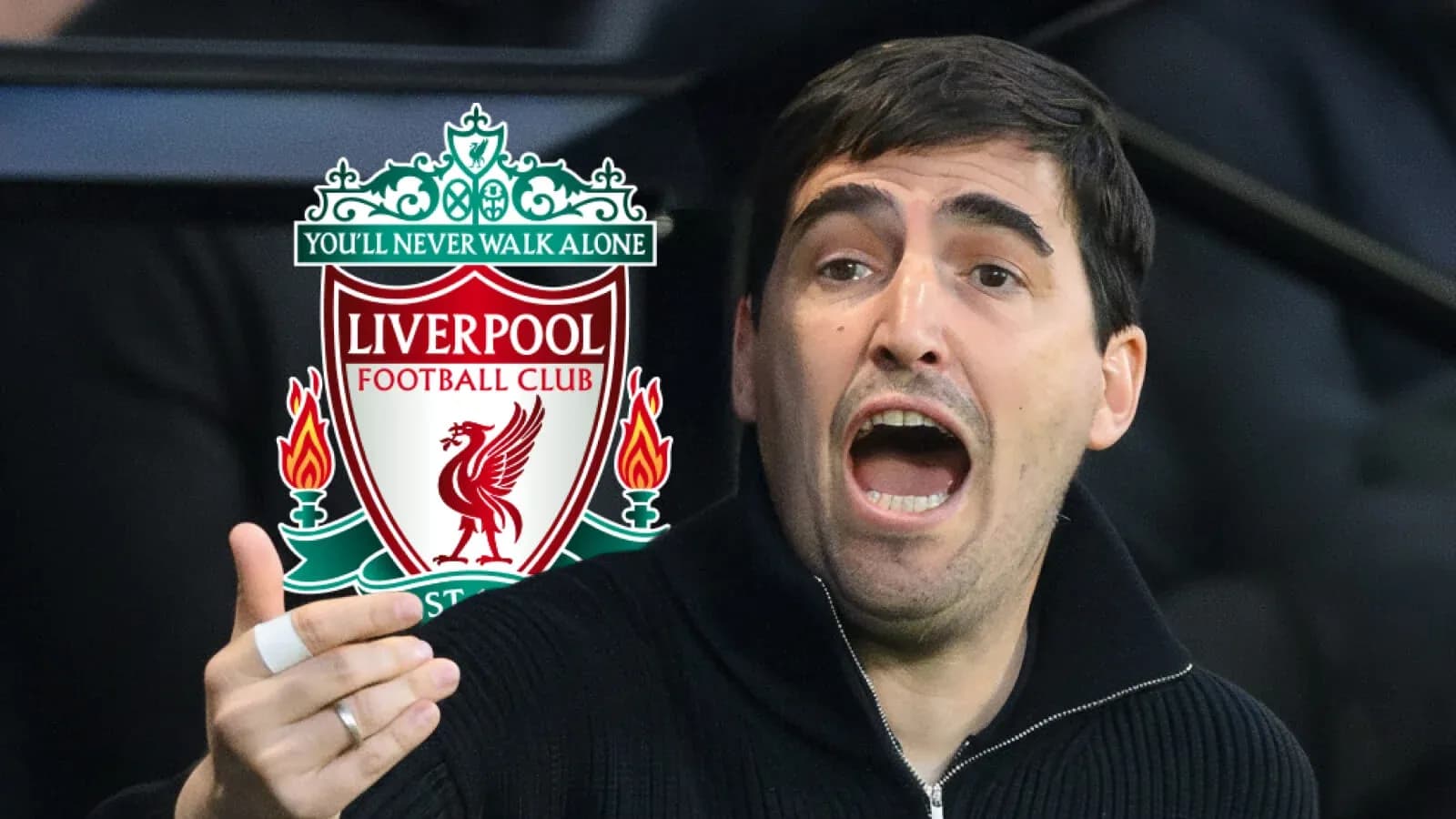
- Andoni Iraola takes charge of Liverpool.
- Enzo Maresca inherits Manchester City.
- Matthias Jaissle fronts Newcastle.
- Oliver Glasner begins at Nottingham Forest.
From Champions League winners to rising tacticians, the technical area will be as compelling as anything on the pitch.
Money moves and statement signings
The summer window has been frantic, even by Premier League standards, with two British transfer records broken in quick succession.
For a brief spell, Elliot Anderson held the crown. Manchester City paid £116m to prise him from Nottingham Forest, making him the most expensive British player – temporarily. His arrival forms part of a major rebuild in City’s midfield, with Rodri, Bernardo Silva and Tijjani Reijnders all departing. Anderson steps into a space once occupied by some of the league’s most dominant figures.
Then came Morgan Rogers. Chelsea went to £117m to sign the Aston Villa forward, nudging Anderson’s record aside almost as soon as it was set. Rogers, 24, heads to Stamford Bridge after a standout season in which he scored 10 Premier League goals and laid on seven assists, and after helping England to a third-place finish at the World Cup. For Villa, it is a huge loss; for Chelsea, a statement that their attacking rebuild is serious.
Arsenal’s big move has been more surgical than spectacular. They have taken Bruno Guimarães from Newcastle, adding a proven, versatile midfielder to a title-winning core. Arsenal sporting director Andrea Berta framed it simply: Guimarães strengthens the heart of the team, capable both as a defensive shield and as a box-to-box presence, with a consistent record of goals and assists.
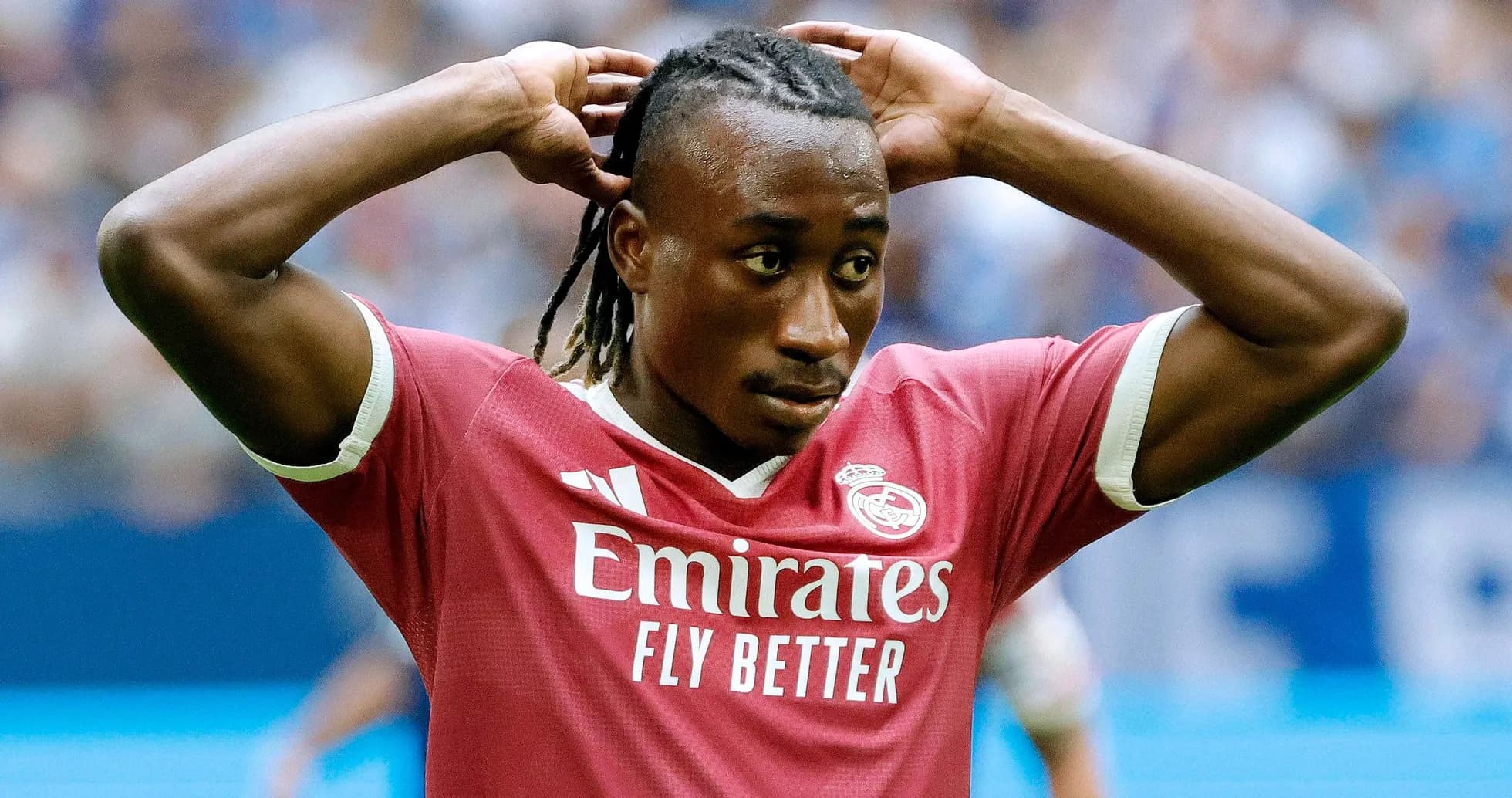
Down by the Thames, Fulham have gambled on potential and familiarity. Gonzalo García, who broke into Real Madrid’s first team last season, has followed his coach from that spell, Álvaro Arbeloa, to Craven Cottage. This is García’s first move away from Madrid; the expectation is clear, the adaptation period will need to be short.
At Sunderland, experience is the theme. Thomas Meunier arrives from Lille with 83 caps for Belgium and 14 trophies across his club career, a seasoned defender dropped into a side that will lean heavily on his know-how.
Old names, new chapters
The promoted trio are anything but strangers to the Premier League.
Hull City, Coventry City and Ipswich Town all return with history and scars.
Ipswich, the Tractor Boys, are back after a rapid rise and a swift fall. Promoted in 2024, relegated the very next season, they have now fought their way up again by finishing second in the Championship. Kieran McKenna was the architect of their resurgence but will not be in the dugout this time, having stepped away to take a break from management. In his place, Gary O’Neil resurfaces in the top flight after his last spell at Wolves, tasked with turning a yo-yo story into something more stable.
Hull’s comeback has taken a decade. Absent since 2016-17, they re-emerge under Sergej Jakirovic, whose work in steering them to an unexpected promotion has already rewritten expectations around the club.
Coventry’s journey has been even more gruelling. Twenty-five years away from the Premier League, a drop as low as League Two, and a long fight back up the ladder. Frank Lampard, who drove their Championship title win, now gets his first permanent Premier League job since his caretaker stint at Chelsea in 2023. This is a different kind of project: not salvaging a giant, but sustaining a club that has clawed its way back from the brink.
On your screens and in your ears
The way fans consume the league will feel familiar, but not identical.
Sky Sports and TNT Sports remain the live TV homes of the Premier League in the UK. The BBC continues to deliver highlights on Match of the Day. Yet even the broadcast side is experimenting.
For the first time, conversations between referees and players will be allowed to air during live matches, subject to a trial. It will not be in place for the opening weekend, but once it arrives, viewers will hear exchanges that were previously confined to lip-readers and guesswork.
Match of the Day’s punditry team has been refreshed. Former Brentford and Spurs manager Thomas Frank joins the cast, along with ex-players Toby Alderweireld, Robbie Keane and Ashley Young, adding a mix of recent dressing-room insight and touchline perspective.
One familiar staple has gone. The BBC has ended its Fantasy Premier League podcast Fantasy 606. Host Alistair Bruce-Ball confirmed the decision in July, paying tribute to the listeners whose emails, poems, songs and team management helped define the show.
The rules are tighter, the benches are different, the money has moved and the cameras are edging closer to the conversations that shape games. The Premier League has never been short on drama; the only question now is who adapts fastest to a version of the competition that looks just enough like the old one to be dangerous.