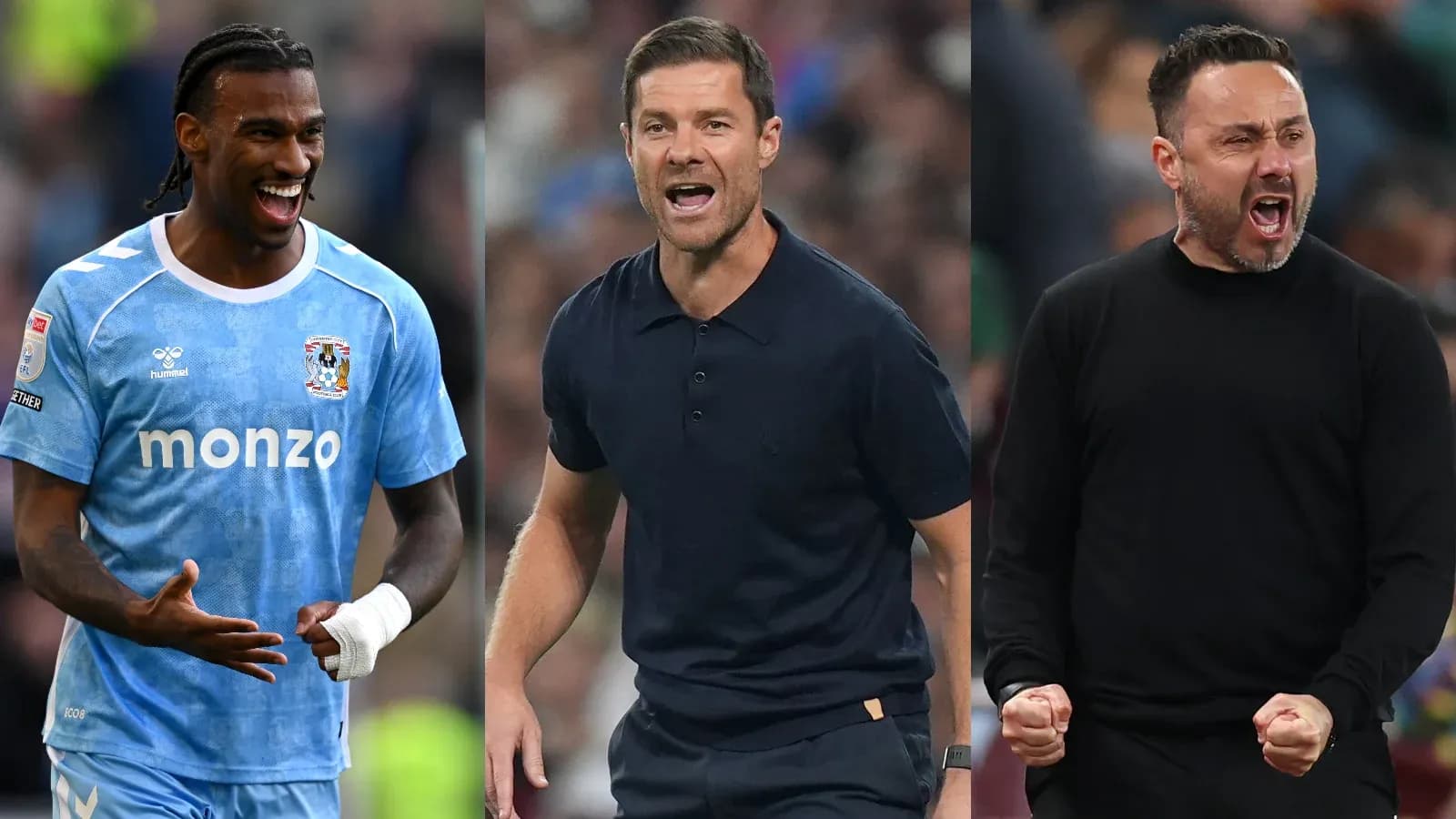
Premier League 2026/27: Key Questions for the New Season
The Premier League barely has time to exhale anymore. The 2025/26 season has only just shut its doors, yet it feels less like an ending and more like a pause between episodes. The table twisted, the title race frayed nerves, and the final whistle arrived with the energy of a cliff-hanger.
The next campaign already looms, full of questions that could reshape the league’s landscape. Here are eight of the biggest.
Life After Pep: City Step Into the Unknown
For the first time in over a decade, the Premier League begins without its defining figure. Pep Guardiola has gone, and Manchester City move into a world they’ve never truly known: one without him on the touchline.
This is not just a managerial change. It’s a cultural shift. City have grown used to certainty, to a structure so stable it felt permanent. Now comes the hard part – avoiding the kind of slow, painful drift that followed Arsene Wenger at Arsenal and Sir Alex Ferguson at Manchester United.
The squad is still stacked, the infrastructure still elite, but the comfort blanket has been ripped away. After years of relentless success and clarity, the next chapter is not just new for City. It’s daunting.
Carrick’s Next Test: Can United Handle the Climb?
Michael Carrick has earned the job. Now he inherits the pressure that comes with it.
His promotion to permanent head coach at Manchester United brings fresh expectation and a new level of scrutiny. His first full summer in charge will be revealing: how he stamps his tactical ideas on the squad, how he navigates the transfer market, and how he copes when the fixture list stops being kind.
United played only 40 matches across all competitions in 2025/26. Arsenal, by comparison, slogged through 63. That gap disappears now. With UEFA Champions League football back on the agenda, United’s squad depth will be exposed to the same kind of strain that has bent and broken teams before.
Carrick has built momentum. The question is whether he can sustain it when the games come every three days and the margin for error shrinks.
Alonso at Chelsea: A New Voice, A New Power Structure
Chelsea have tried almost everything in recent years. This time, they’ve gone for one of Europe’s brightest young coaches and handed him something precious: real authority.
Xabi Alonso arrives not as a head coach, but as manager. The wording matters. It signals a shift in approach after a limp 10th-place finish, and it throws the spotlight directly onto the summer transfer window.
The blueprint is obvious. Recruit smartly, clear the clutter, and use the luxury of free midweeks after failing to qualify for Europe. No long-haul Thursday trips, no quick turnarounds. Just training ground time and a clean calendar.
If Alonso gets the players he wants, Chelsea will not be aiming for stability. They will be aiming high, and quickly.
De Zerbi and Spurs: From Survival to Ambition?
Tottenham Hotspur ended the season peering over the edge. Safety only arrived on the final day, and for the second year running they finished 17th. That’s not a blip. That’s a pattern.
Yet, right at the end, something shifted. Roberto De Zerbi took 11 points from the final six matches, a burst bettered only by Manchester United, Arsenal and AFC Bournemouth over that stretch. For a club that has been stuck in reverse, that run felt like the first sign of a handbrake being released.
Now comes the real job: a rebuild with purpose. Spurs need more than survival. They need to turn that late surge into a new baseline, not another false dawn.
Coventry and Hull: Old Names, New Stories
The Premier League always feels fresher when it welcomes back familiar names with unfamiliar scars.
Coventry City return for the first time since 2000/01. In the years between, they’ve fallen all the way to League Two and clawed their way back, a long climb that makes their status as champions all the more striking.
Hull City, absent from the top flight for a decade, bring a different kind of intrigue. The Opta “Expected Points” table had them down in 23rd in the 2025/26 campaign. Reality told a very different story. They rose above the numbers, and now they must prove that promotion was no statistical quirk.
Both clubs will look to mirror Sunderland and Leeds United, who handled their own returns impressively – Sunderland punching their ticket to the UEFA Europa League, Leeds securing safety with room to spare. The bar for promoted sides has never felt higher.
Liverpool Rip It Up and Start Again
Everyone knew this was going to be a big summer at Liverpool. Then it became something far bigger.
Arne Slot’s departure and the arrival of Andoni Iraola as head coach have turned a necessary reset into a full-scale rebuild. The club’s tactical identity has slowly eroded since the peak Jurgen Klopp years, and that drift has unsettled supporters who once knew exactly what their team stood for.
Now comes a brutal reality: Mohamed Salah, Andy Robertson and Ibrahima Konate are gone. That’s not just quality out the door; it’s the dismantling of an era.
The 2026/27 season will not be a gentle transition. It will be a defining one. Whether it mirrors the turbulence of 2025/26 or sparks a revival closer to the year before, Liverpool are heading into a campaign that will shape their direction for seasons to come.
Europe’s Pull: Nine Clubs, One Chaotic Table
If the league feels tighter than ever, it’s because Europe keeps dragging teams into the deep end.
Spurs, Chelsea, Newcastle United and Nottingham Forest all felt the strain of juggling European commitments last season. They are unlikely to be the last. With nine Premier League clubs set to play on the continent again in 2026/27, the domestic table will bend under the same pressure.
Bournemouth, Brighton & Hove Albion and Sunderland tore up the script to qualify for Europe this time, squeezing into a pack where just two points separated seventh from 11th. That kind of congestion turns every mini-slump into a crisis and every hot streak into a charge up the table.
There is little reason to expect clarity next year. Chaos has become part of the league’s competitive edge.
Arsenal and the Art of Nerves
Arsenal stand at a tactical crossroads, even as champions.
For three seasons they chased the title and finished second. The tension seeped into everything they did, and the debate has raged ever since: is their cautious style a deliberate strategy, or the product of a team gripped by the fear of falling short again?
We are about to find out.
Mikel Arteta must now decide how to defend a crown that took so long to reclaim. Does he double down on control, on risk-averse football that suffocates games and protects leads? Or, with the weight finally lifted, does he loosen the reins and let this side attack with greater freedom?
The answer will not just define Arsenal’s identity. It may decide who stands at the top of the Premier League when the next cliff-hanger arrives.