Pep Guardiola's Succession Dilemma: Luis Enrique and Kompany's Roles
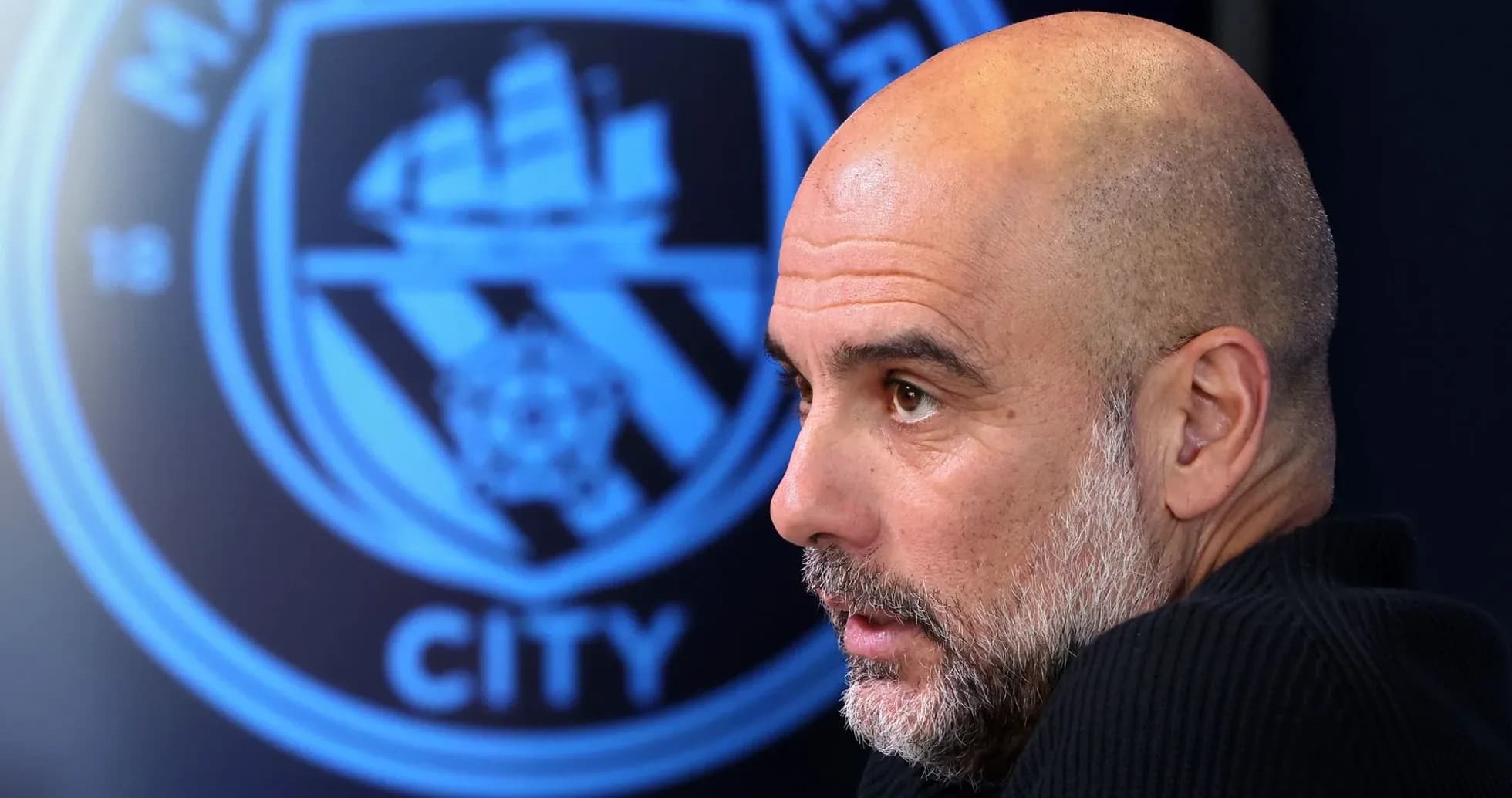
Pep Guardiola has been the defining figure of English football’s last decade. Ten years at Manchester City, 19 trophies, six Premier League titles, a Treble, a Champions League, a Club World Cup. He has reshaped a club and, in truth, a league.
And yet the clock is ticking.
Guardiola has already hinted that his current contract at the Etihad will be his last. If he sticks to that, a job that has come to symbolise modern dominance will fall vacant in a little over a year. Replacing him is not just a hiring decision; it is a risk to the entire City project.
City know it. So do the managers who might follow him.
Luis Enrique: the heir who already speaks the language
One name fits the brief almost too neatly: Luis Enrique.
He shared a dressing room with Guardiola at Barcelona. Later, he shared the same technical area, inheriting the Barça philosophy and bending it to his own will as he delivered La Liga and Champions League success at Camp Nou. The positional play, the control, the demand for brave technicians on the ball – it all lives in the same football family as Guardiola’s.
Now he is in Paris, three years into his spell at Paris Saint-Germain, where he has delivered a first European crown for the club. His contract runs until the end of the 2026-27 season and, crucially, there is no extension in place yet. That uncertainty has already triggered questions about how long he will stay in the French capital.
Former City captain Richard Dunne sees the fit as obvious.
“For me, Enrique is probably the one with the biggest identity, the one that you know what you're getting straight away and he tends to be a success wherever he goes,” he told GOAL, speaking in association with BetVictor Online Casino.
“He has a way of playing, a profile of players that he likes to get in and it's something that would suit Man City perfectly. If it worked out and everything aligned perfectly, that would be the best replacement possible.”
That is a strong endorsement from a man who captained City through the club’s transition years. Dunne is convinced that City will not be the only heavyweight circling.
“I’d be really, really surprised if other clubs aren't going really hard after him this summer to try and get him before he becomes available to City,” he said.
The warning is clear: if City see Enrique as the natural successor, they may not be able to sit back and wait for Guardiola to walk away. The market will not stand still for them.
The shadow of Ferguson and Wenger
Whoever follows Guardiola will walk into a furnace.
Dunne has seen this story before. Sir Alex Ferguson leaves Manchester United. Arsene Wenger leaves Arsenal. The man who comes next rarely finds a soft landing.
“It's a tough one as well because unless it's really one of the best, which Enrique is, you've seen it with [Alex] Ferguson, with [Arsene] Wenger, the one after the successful one is always the tough job,” Dunne said. “It's something that City really have to be careful that they do get right.”
This is the unique problem of replacing a dynasty builder. The standards are absurd. The memories are fresh. The comparison is relentless. City will need someone who can handle all of that and still impose his own ideas.
In Enrique, Dunne sees a coach with enough conviction and identity to withstand that storm.
Kompany: the captain in waiting
There is, though, another name that refuses to leave the conversation around City’s future: Vincent Kompany.
The former captain, 360 appearances over 11 years, is etched into the club’s modern mythology. The title-winning goal against Leicester. The leadership in the dressing room. The embodiment of the standards that Guardiola then took to another level.
Kompany is now at Bayern Munich, working with Harry Kane and handling the pressure that comes with managing a club expected to win every single season in the Bundesliga. Before that, he took Burnley up to the Premier League and then straight back down, gaining hard, unforgiving experience in English football’s most brutal environment.
Bayern coaches are often accused of having it easy. The badge carries its own weight. Dunne is not buying the idea that the job manages itself.
“I look at Bayern and I look at the players and the style of football and I think for Vince, I really enjoy watching them. I think they're a really good team,” he said.
“They seem really together, which is important for a manager to be able to be a leader of real top players in world football, to be able to control that dressing room and get them all playing the way that you want to.”
That is the part that will interest City as much as any tactical detail: can you walk into a room full of elite egos and own it? Kompany has always looked built for that.
Dunne believes the Champions League will be a key measure of Kompany’s Bayern tenure this season, and a marker for his long-term prospects.
“I think there's a lot of thought about Vincent and I do think success in the Champions League is going to be important for them this season and probably if he’s not the next one, I think Kompany will be someone that's on City's radar maybe in a few years' time – give him more time to develop, more time to learn and then I think you're going to have one hell of a manager and City will be really lucky to have him.”
The suggestion is clear: Enrique for the immediate succession, Kompany as the romantic, long-term return. City’s future could be shaped by both.
Guardiola’s fire still burns
All of this planning only matters if Guardiola actually leaves when he says he will.
There were whispers that he might even walk away early, inspired by Jurgen Klopp’s decision to step down at Liverpool and take a breather from the relentless strain of elite management. A final-year exit, a clean break, a chance to recharge.
Then came the Carabao Cup final against Arsenal. On the touchline, Guardiola looked anything but a man winding down. He raged, he kicked advertising hoardings when goals went in, he celebrated like a coach still addicted to the fight.
Dunne saw the same thing.
“He looked like he was determined to win that trophy and the joy that he got from winning it, I think, wasn't that of a man who's ready to walk away,” he said.
Guardiola has also been blunt about where he feels this City side is in its cycle.
“He's been saying that this team's not quite there yet, but we'll give it another season and then we'll be back, we'll be back challenging for the big trophies and stuff. So, to me, he's not talking like someone who's ready to walk away,” Dunne added.
People will keep speculating. They always do when a great manager has been in one place for so long and the trophy count dips, as it did last season.
“There's obviously rumours all the time around him, big managers and big clubs and stuff like that. He's been at City a very long time and people think that maybe it's time for him to move on because they didn't win a lot last year,” Dunne said.
“But he's shown that he's still got the energy and he's shown he's still got the drive to go and create a new super Man City team. There were signs [against Arsenal] where they looked so dominant. I think it was a marker for everyone for next season about what's to come.”
So City stand at a strange crossroads. A manager who still burns to rebuild. A contract that says the end is coming. A possible heir in Luis Enrique. A club legend in Kompany learning his trade at the sharp end of Europe.
The dynasty is not over yet. The question is whether City can manage the handover without breaking the spell that Guardiola has cast over English football for a decade.