Paris Saint Germain vs Newcastle: Champions League Showdown
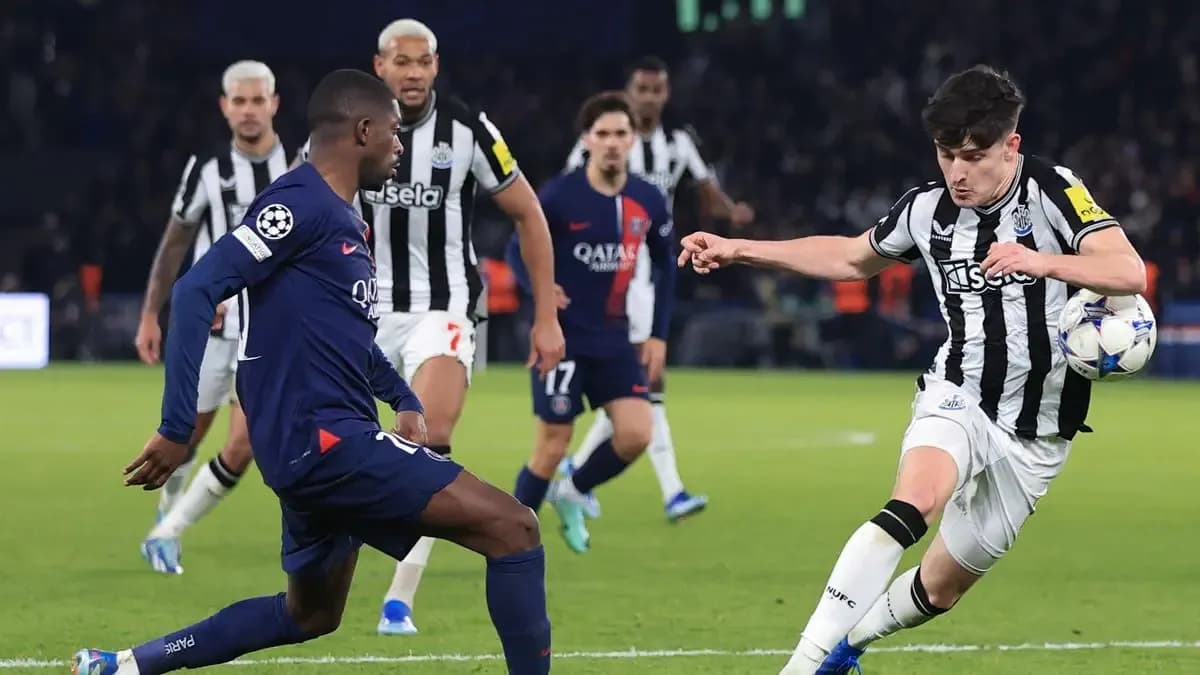
The Parc des Princes under the lights, the Champions League anthem rolling around the stands, and two sides separated only by goal difference in the table – Paris Saint Germain vs Newcastle has all the ingredients of a statement European night. Both clubs sit on 13 points in the league-stage standings, PSG in 6th and Newcastle in 7th, each firmly on course for the last 16 but still jostling for seeding, prestige and momentum as the competition’s knockout phase looms. The form guide suggests a contrast in mood: PSG’s recent run of “LDWLW” hints at a stop‑start campaign, while Newcastle arrive with “WDLWW”, looking more like a side on the rise. With both boasting a +10 goal difference and a taste for expansive football, this is less a group-stage formality and more a yardstick of who truly belongs among Europe’s elite this season.
Form guide and season trends
PSG’s Champions League campaign has been defined by firepower. Twenty goals in seven games – an average of 2.9 per match – underline how devastating they can be when the front line clicks. At the Parc des Princes, they have been particularly ruthless, scoring 10 times in just three home outings at a remarkable 3.3 goals per game. Two wins from those three matches support the image of a ground that still feels like a European stage rather than a mere stop on the calendar. Yet the numbers also reveal their vulnerability: five goals conceded at home, 1.7 per match, and only one clean sheet overall. This is a side that overwhelms opponents rather than suffocates them.
Newcastle, by contrast, bring a profile that looks built for knockout football. They have 16 goals in seven matches – 2.3 per game – but the real statement is at the other end: just six conceded, fewer than any of the two on show here, for an average of 0.9 per match. Away from St. James’ Park they have been quietly efficient, winning once, drawing once and losing once, with seven goals scored and four conceded. It is not the record of a timid traveller; their biggest away win, a 4‑0 demolition, shows they can be ruthless when chances come. Four clean sheets overall, compared to PSG’s two, underline a defensive structure that has held up even as the competition has stiffened.
Both sides have shown they can put together streaks – each with a three‑match winning run at some stage – but the underlying pattern is clear: PSG lean into chaos, trusting their attack to outscore problems, while Newcastle look more balanced, combining cutting edge with a disciplined rearguard. With both teams typically lining up in a 4‑3‑3, the tactical battle in midfield and the spaces behind the full-backs could define the night.
Head-to-head history
There is recent history between these two, and it is anything but one‑sided. In the 2023/24 Champions League group stage, Newcastle announced their return to Europe’s top table with a stunning 4‑1 victory over PSG at St. James’ Park. The English side raced into a 2‑0 half‑time lead and never looked back, overwhelming the French champions with intensity and direct running. It was a result that reverberated around the continent and planted a seed of doubt about PSG’s ability to handle high‑octane pressing sides.
The return match at the Parc des Princes, however, told a more nuanced story. Newcastle led 1‑0 at the break and held that advantage deep into the second half, only for PSG to salvage a 1‑1 draw late on. Over the two games, the aggregate scoreline of 5‑2 in Newcastle’s favour is impossible to ignore, but the Paris contest showed the hosts can wrestle back control on their own turf, even when under pressure.
Those meetings were high‑energy and, at times, chaotic, with six goals across two matches and long spells where the game swung from one end to the other. Supporters heading to the Parc this time have every reason to expect another open, emotionally charged contest, especially with both teams again in strong scoring form and the tactical frameworks largely unchanged.
Team news and key men
PSG do have some selection concerns, though they are mostly in supporting roles rather than among their headline stars. Lee Kang-In is ruled out with a thigh injury, removing a versatile creative option who can operate between the lines and help knit midfield to attack. Youngster Q. Ndjantou is also sidelined with a muscle injury, and D. Fernandez is listed as inactive, trimming the depth available from the bench. For a side that thrives on attacking rotations and late-game impact, the absence of those secondary pieces could subtly reduce their ability to change the rhythm from the sidelines.
Newcastle’s issues are more concentrated in key areas. At the back, F. Schar is out injured, weakening a defensive unit that has been one of the most reliable in the competition. The absence of V. Livramento and E. Krafth further tests their options in the defensive line, while J. Murphy’s hamstring injury removes a wide player who offers direct running and work rate. Depth concerns are compounded by a couple of significant question marks: Bruno Guimaraes is doubtful with an ankle problem, and Joelinton is also listed as questionable. If either – or both – were to miss out, Newcastle would be stripped of a large chunk of their midfield bite, control and ball-carrying power.
Even so, the visitors arrive with two of the Champions League’s standout attacking performers this season. Anthony Gordon has been electric, scoring six goals and providing two assists in seven appearances. His numbers tell the story of a complete modern forward: 11 shots, seven on target, three penalties converted, plus 22 dribble attempts and 10 fouls drawn. He is not just a finisher but a constant irritant, stretching defences and forcing mistakes. On the opposite flank or in support, Harvey Barnes has been almost as devastating, with five goals and an assist from only five starts. Ten of his 11 shots have hit the target, a staggering accuracy that makes him a threat whenever he finds half a yard of space.
PSG, for all their collective scoring numbers, will need their own star forwards to match that output, even if the data does not list them explicitly. With 20 goals already in this league stage, the burden is clearly shared across a high‑calibre front line, but in a contest of such fine margins, someone in Parisian colours will have to produce a night to remember.
The verdict
Everything points towards a high‑tempo, high‑quality Champions League clash between two sides who believe they belong among the competition’s contenders. PSG’s attacking fluency at home should ensure they create chances, but Newcastle’s defensive record and the individual form of Gordon and Barnes suggest they will not simply sit back and absorb pressure. If Bruno Guimaraes and Joelinton are passed fit, Newcastle may feel they can repeat their recent dominance in midfield; if not, PSG’s technical quality could tilt the balance. Expect an open, absorbing encounter with momentum swings and goals, with PSG perhaps just edging it on home advantage – but Newcastle more than capable of taking something back to Tyneside.