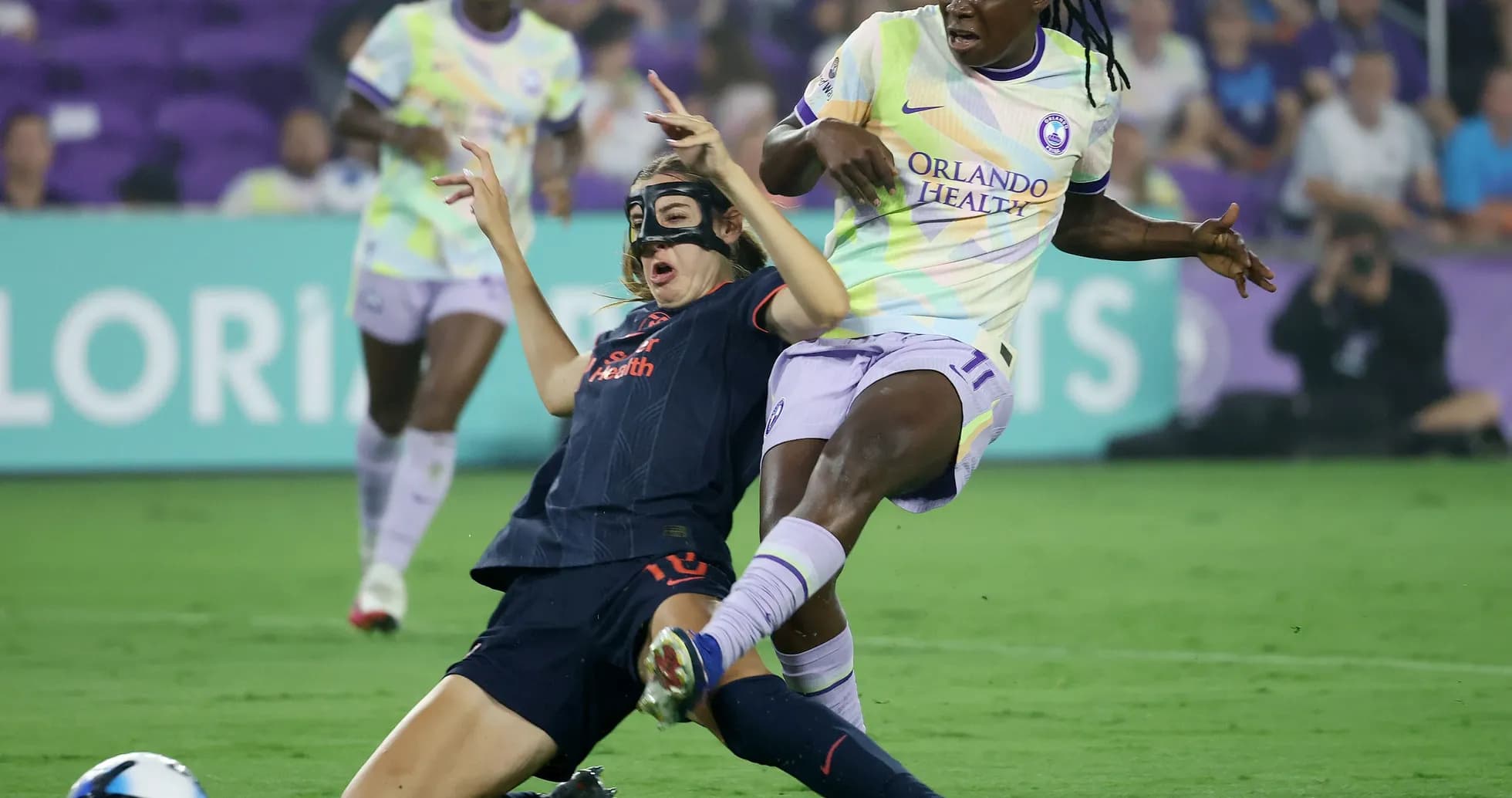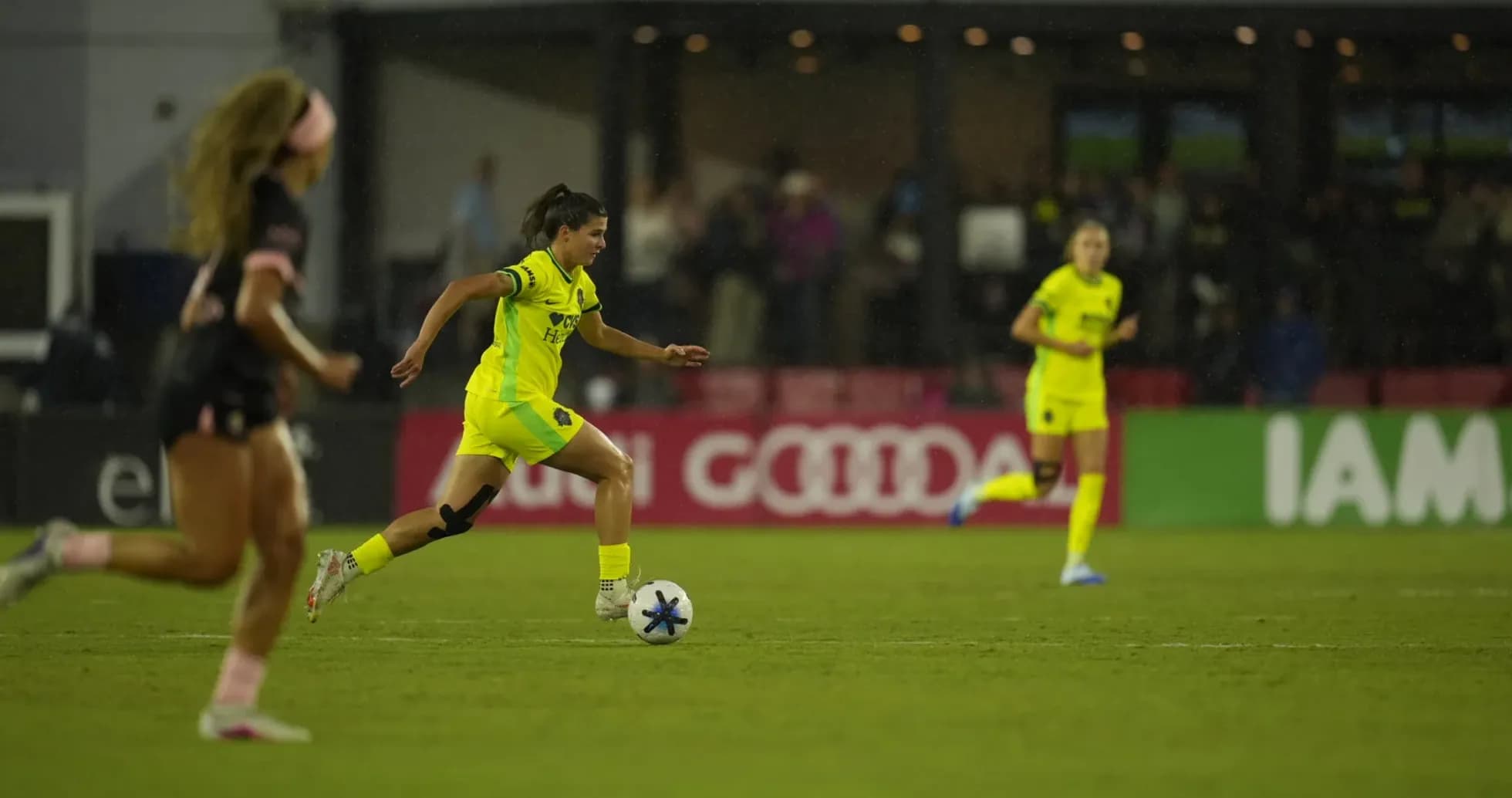
North Carolina Courage W Dominates Chicago Red Stars W 4-0
Under the Cary lights at WakeMed Soccer Park, this Group Stage meeting in the NWSL Women felt less like a routine league fixture and more like a statement about where these two clubs are headed. North Carolina Courage W, sitting 8th heading into this game with 12 points and a goal difference of 2, dismantled bottom‑placed Chicago Red Stars W 4‑0, a scoreline that mirrored the growing gulf between a side sharpening its identity and one still searching for a foothold.
Mak Lind went with a familiar 4-3-3, a shape that has been the Courage’s tactical anchor this season. It allowed them to lean into their attacking DNA: overall they average 1.4 goals per game, rising to 2.0 at home, and the structure on the night reflected that confidence. K. Sheridan provided the platform in goal behind a back four of R. Williams, U. Shiragaki, N. Staude and D. Weatherholt. In front of them, the midfield trio of R. Jackson, S. Koyama and M. Matsukubo formed a compact, rotating triangle, freeing a fluid front line of C. Okafor, E. Ijeh and the league’s standout attacker so far, A. Sanchez.
Across from them, Martin Sjogren’s Chicago shifted into a 3-5-2, a departure from their more common 4-2-3-1. It was an attempt to add defensive density to a team that, heading into this game, had conceded 22 goals in total, with a brutal away average of 2.8 goals against per match. A back three of K. Hendrich, S. Staab and N. Gomes screened A. Naeher, while a busy midfield band of J. Bike, A. Farmer, J. Grosso, M. Hayashi and R. Gareis tried to compress the central lanes behind forwards J. Huitema and B. A. Pinto.
The tactical voids for Chicago were less about absences and more about structural fragility. On their travels they had lost all 5 away games, failed to score a single goal and shipped 14, with their worst periods between 46-60 minutes and 61-75 minutes, where they had conceded 6 goals in each window, accounting for 27.27% apiece of their total concessions. Against a Courage side whose own attacking surge peaks late — 30.77% of their goals arriving between 76-90 minutes, and a further 23.08% between 61-75 — this was always going to be a dangerous intersection.
Disciplinary trends only deepened the contrast. North Carolina’s season card profile shows a team that plays on the edge but not over it: yellow cards cluster between 46-60 minutes (40.00%) and 31-45 plus 76-90 (20.00% each), with a single red card coming late between 76-90 (100.00% of their reds). Chicago, by contrast, collect most of their yellows in the emotionally volatile middle of games — 33.33% between 31-45 and another 33.33% between 46-60 — often just when their defensive line is already under siege. On this night, the Courage’s control of tempo meant they could press without tipping into chaos, while Chicago’s discipline was stretched by long spells without the ball.
The key matchup, the “Hunter vs Shield,” was always going to revolve around A. Sanchez against a Red Stars defense that has struggled all season. Heading into this game, Sanchez had 6 goals and 1 assist in 9 appearances, averaging a goal every 121 minutes and leading the league’s scoring charts. Her 22 shots with 13 on target underline a forward who not only finds pockets but finishes at volume. Against a back line conceding 2.2 goals per game overall and 2.8 away, she was the spear tip of a system designed to overload the half-spaces.
Behind her, the “Engine Room” duel pitted R. Jackson and M. Matsukubo against J. Grosso and A. Farmer. Jackson and Koyama operated as shuttlers, drawing Chicago’s wing-backs narrow, while Matsukubo held the deeper pivot, recycling possession and allowing full-back Williams to step aggressively into advanced zones. Williams’ season numbers — 3 assists, 317 passes at 85% accuracy and 11 key passes — tell the story of a defender who is effectively a wide playmaker. Her ability to step into midfield and connect with Sanchez between the lines consistently pulled Chicago’s 3-5-2 out of shape.
For Chicago, the plan had to be about transition. Their goals this season are rare but revealing: with only 4 in total, 50.00% have come between 46-60 minutes, and another 25.00% each in the 0-15 and 31-45 ranges. They are at their most dangerous just after half-time, when pressing traps can be sprung against teams slow to restart. But against a Courage side that concedes heavily early (36.36% of goals against between 0-15 and 27.27% in both the 16-30 and 31-45 windows) yet tightens up after the break, Chicago never found the rhythm to exploit that theoretical edge.
Instead, North Carolina imposed their own statistical destiny. With 10 home goals from 5 home games heading into this fixture, and their biggest win of the season already a 4-0 at home, this performance felt like a repeatable pattern rather than a one-off. The late-game scoring profile — 61-75 and 76-90 combining for 53.85% of their total goals — dovetailed perfectly with Chicago’s second-half collapses. Once the Courage tilted the field, the Red Stars’ resistance was always likely to crack in waves rather than in isolated moments.
From an Expected Goals perspective, all the underlying indicators pointed toward a lopsided home performance even before kick-off. North Carolina’s overall goals for average of 1.4 versus Chicago’s goals against average of 2.2, combined with the Red Stars’ total away goals for average of 0.0, suggested a home xG edge that could easily stretch beyond two clear chances more than their visitors. Layer in the Courage’s three clean sheets overall and Chicago’s eight games without scoring, and a home win to nil was the logical statistical prognosis.
Following this result, the 4-0 scoreline does more than decorate the table. It confirms North Carolina Courage W as a side whose attacking structure, driven by Sanchez’s cutting edge and Williams’ supply line, is beginning to match its underlying numbers. For Chicago Red Stars W, it is another harsh reminder that tactical tweaks cannot mask systemic frailties: until they address their second-half collapses and chronic lack of away threat, the numbers — and nights like this in Cary — will continue to tell the same unforgiving story.