Morgan Rogers: The Most Expensive British Footballer Faces Chelsea Challenges
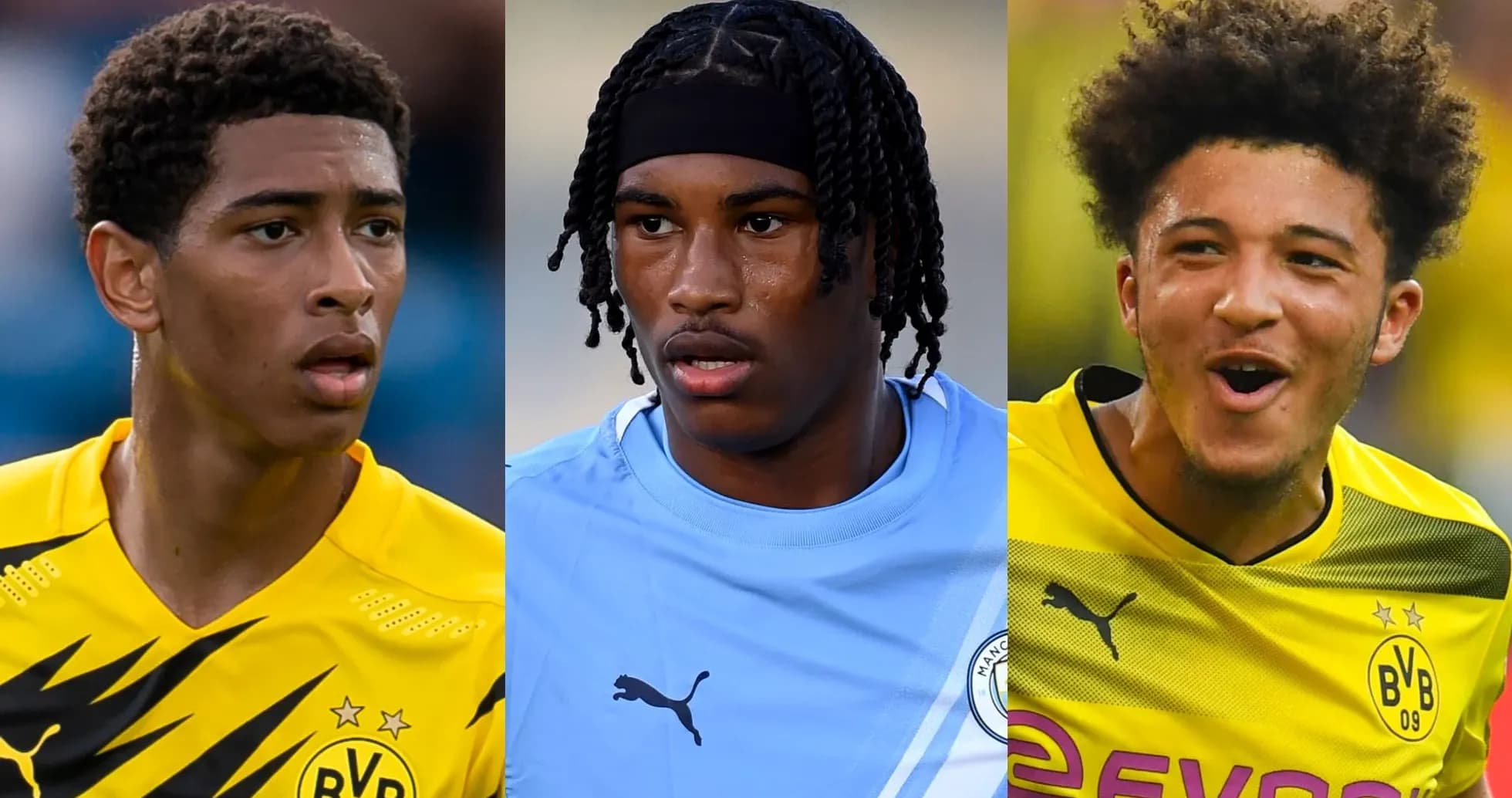
Morgan Rogers has the London spotlight now. At £117 million, the forward’s move from Aston Villa to Chelsea last month made him the most expensive British footballer in history, and he arrived talking big. Chelsea, he said, were “the biggest club in London” and the “perfect” fit for his game – comments many Arsenal supporters took as a thinly veiled swipe after months of links to Mikel Arteta’s side.
Strip away the noise, though, and the cold reality is simple: Arsenal would have been the safer step.
Leaving a rising Villa team, Champions League football secured, to join the reigning Premier League champions would have felt like a natural climb. Instead, Rogers has walked into another Chelsea reboot, this one under Xabi Alonso and the still-divisive BlueCo regime, with no European football to soften the bumps.
Fewer games should, in theory, help Chelsea repair the wreckage of last season’s 10th-place finish. But Alonso is no magician. The squad he inherits is already fraying. Marc Cucurella has gone to Real Madrid. Enzo Fernandez could yet follow him out of the door. That would rip a hole straight through the midfield and leave a manager famed for control trying to stitch order from chaos.
It’s hardly the stable platform a 23-year-old record signing needs.
Tactically, there are questions everywhere. Rogers does his best work as a No.10, drifting into pockets, driving at defenders, arriving late in the box. Cole Palmer, Chelsea’s breakout star, also thrives in central areas. Alonso has to find a way to fit both into the same side without turning the middle of the pitch into a traffic jam. If Palmer becomes the axis, Rogers may be pushed wide, where his influence is likely to shrink compared to his Villa days.
Style is another clash waiting to happen. Rogers has not been raised on patient, possession-heavy football and probing against deep blocks. At Villa, Unai Emery unleashed him as a counter-attacking weapon, with space to run into and transitions to exploit. Under Alonso, the priority will be control, structure, and methodical build-up. That kind of environment can suffocate a player who thrives on chaos and open grass.
Then there is the weight of the fee. £117m changes everything. It alters expectations in an instant. Rogers will be judged as a leader, a difference-maker, someone who has to deliver now. If the goals and assists don’t arrive quickly, the narrative turns. Pressure tightens. For all his talent, he is not the kind of transformative signing who, on his own, drags Chelsea back into the title conversation.
At Old Trafford, the mood is no brighter.
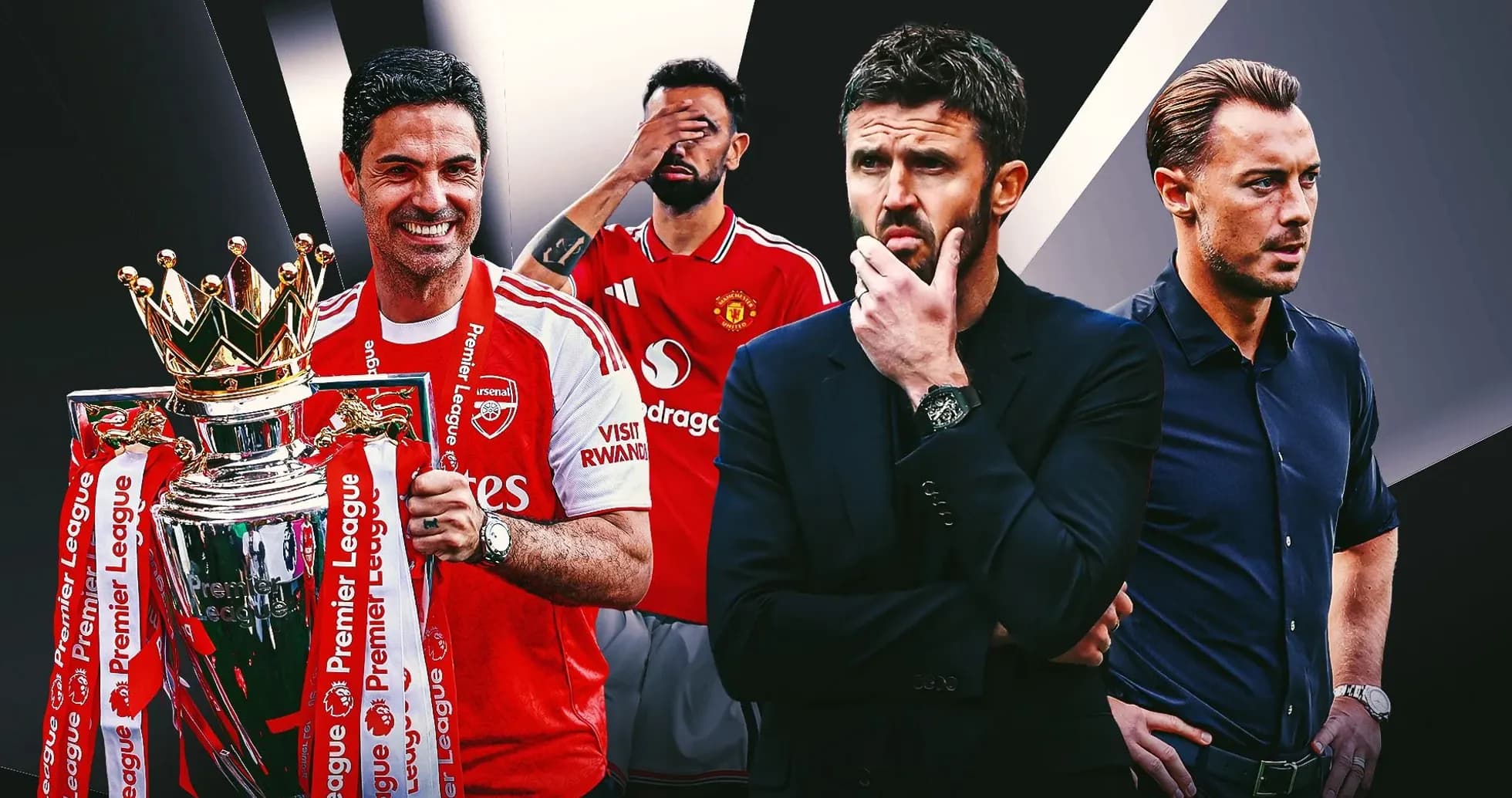
Michael Carrick earned his shot as permanent Manchester United manager, steering the club to third in the Premier League and back into the Champions League. That sort of turnaround should usually be rewarded with a serious transfer budget. Instead, the INEOS-led ownership has slammed on the brakes.
United have spent just £75m, bringing in Andrey Santos from Chelsea and Youri Tielemans from Aston Villa. Solid players, yes. A sufficient overhaul for a squad already stretched last season? Not even close.
Carrick’s group is painfully thin for a campaign that will demand three games a week and a deeper tilt at Europe. Casemiro’s departure leaves a gaping void at the base of midfield. Mason Mount still cannot stay consistently fit. Manuel Ugarte is working his way back from an ACL injury. One more muscular issue, one more bad twist, and the middle of the pitch starts to look bare.
The problems do not stop there. Across the back line, depth is flimsy. Up front, United may soon be left with Benjamin Sesko as the only natural No.9, with Joshua Zirkzee edging towards Serie A. One suspension, one hamstring strain, and the whole attacking structure looks fragile.
A slow start feels entirely plausible. If results dip early, the confidence that Carrick carefully rebuilt will evaporate fast. His record of 12 wins in his first 17 games in charge looked impressive on paper, but the performances told a different story: individual brilliance, defensive grit, and a conservative approach on the ball. United still struggled to play out from the back and control matches.
That model rarely survives a relentless schedule. Once the fixtures pile up, cracks widen. If the season is already drifting by early December, Carrick could easily become the next casualty of Sir Jim Ratcliffe’s cautious revolution, leaving INEOS searching for a fourth head coach in barely two and a half years of turmoil.
While United, Chelsea and others stumble, Arsenal stand tall.
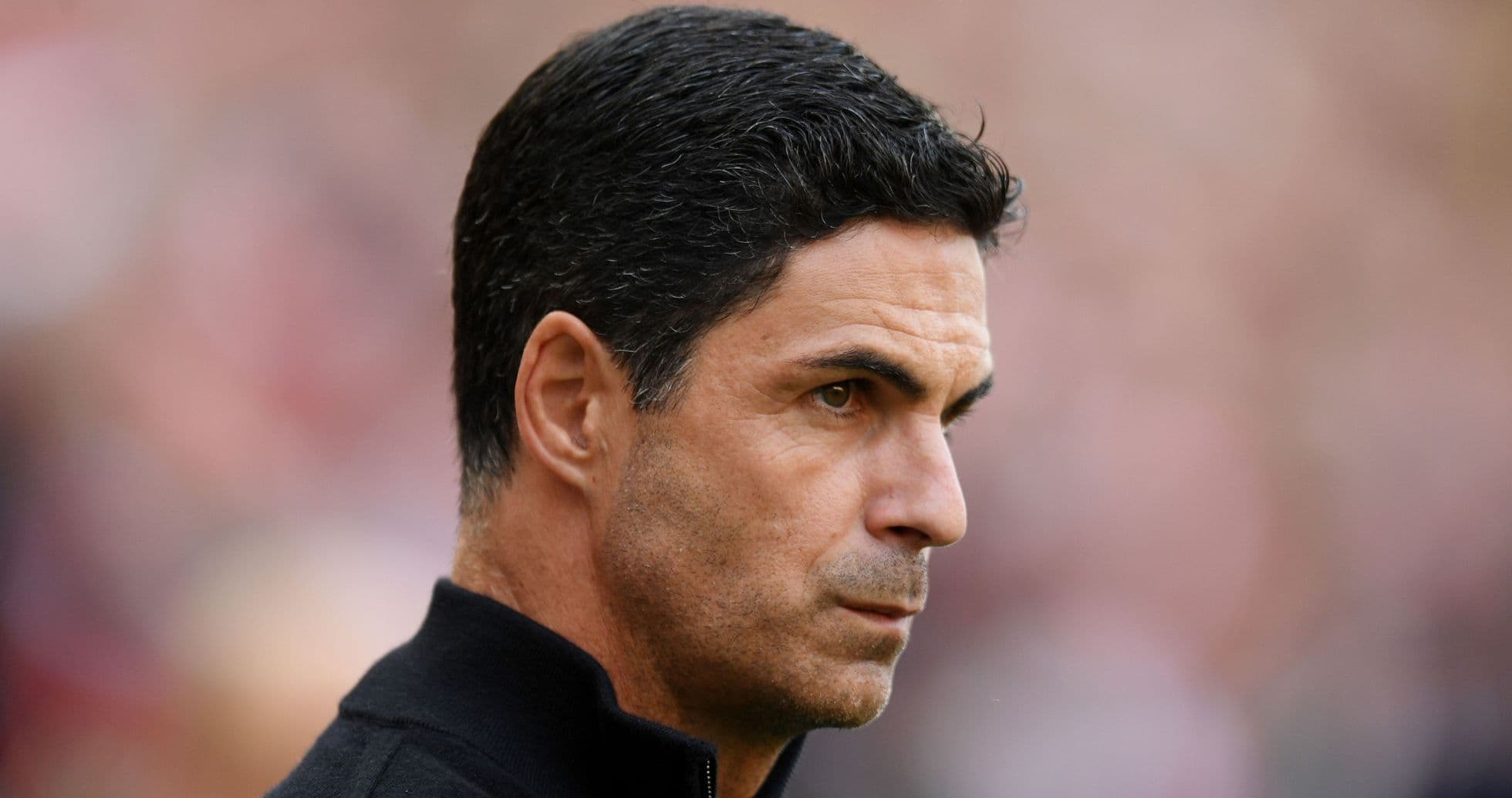
Arteta’s side finally finished the job last season, winning the 2025-26 Premier League title by seven points ahead of Manchester City and banishing the scars of three straight runners-up finishes. Getting over that line was more than a trophy; it was a psychological reset. The doubt is gone. The belief is real.
This time, they start as favourites – and not just by a nose. Their main rivals have all stepped backwards.
Liverpool’s backline looks thin and vulnerable, a dangerous flaw for a team that presses high and lives on the edge. United lack the depth to handle the added load of Champions League football. Aston Villa, like United, have been frugal in the market. Chelsea and Tottenham are locked into transition seasons.
That leaves City, and even they look diminished. Pep Guardiola has gone. So have Bernardo Silva and John Stones, two players who embodied the control and flexibility of the Guardiola era. Then came the hammer blow: Rodri to Barcelona for £65m. The 2024 Ballon d’Or winner was City’s heartbeat, the man who drove them forward, protected the defence and set the standard in the dressing room.
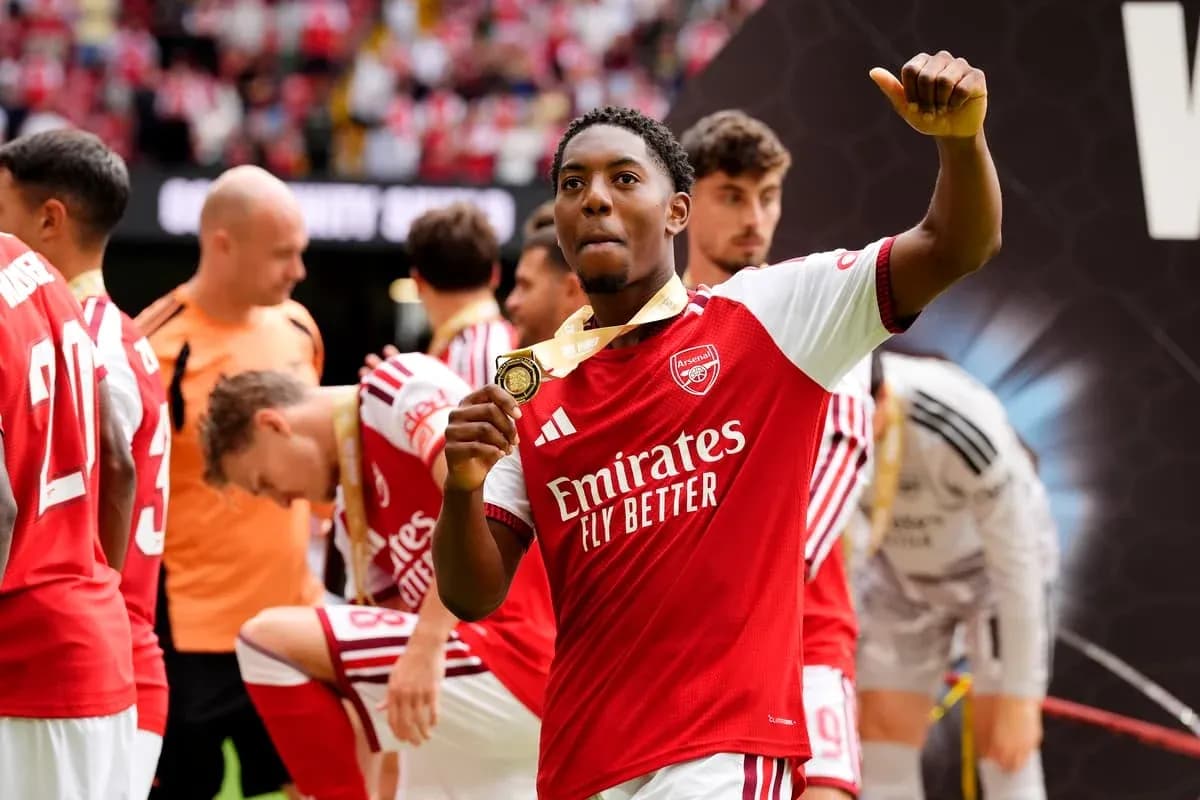
Even with the £116m signing of Elliot Anderson, City are entering a transition they cannot simply outspend. The early signs were brutal. Arsenal dismantled them 3-0 in the Community Shield, a statement performance that left new manager Enzo Maresca staring at a long to-do list.
Arteta, by contrast, has the most settled, stacked squad in the division. Stability has been reinforced, not disturbed, by the arrival of Bruno Guimaraes from Newcastle, an all-action midfielder perfectly suited to Arsenal’s aggressive, high-control game.
Unless Arsenal implode or suffer an injury crisis of freakish proportions, the Premier League trophy looks set to stay at the Emirates in 2027.
Down by the Thames, Fulham have chosen risk over certainty.
Marco Silva walked away in June after five hugely successful years, heading home to Portugal to replace Jose Mourinho at Benfica. Mourinho himself has gone back to Real Madrid, where Alvaro Arbeloa’s turbulent six-month spell ended abruptly. In a neat, almost surreal loop, Fulham turned to Arbeloa as Silva’s successor, handing the former Madrid defender a three-year deal.
On paper, there are reasons to be intrigued. Arbeloa played under Mourinho and Carlo Ancelotti, two of the game’s sharpest minds. His work with Real’s senior side and Castilla showed a willingness to back young players, a trait that should appeal to a club trying to nurture its own prospects.
But the Premier League is an unforgiving classroom, and Arbeloa walks in light on experience.
Silva kept Fulham competitive with a pragmatic 4-2-3-1, built on structure and defensive discipline. Arbeloa wants a higher line, more risk, more front-foot defending. With Fulham’s resources, that approach can quickly turn from brave to reckless. One pass in behind, one mistimed step, and the whole shape unravels.
There are doubts about more than just the tactics. Arbeloa’s man-management came under scrutiny at Real, where dressing-room friction eroded his authority. The glare at Craven Cottage will not be as intense, but bad results find their way into any dressing room. Old tensions can easily resurface in a new setting.
He has brought Gonzalo Garcia and César Palacios with him from Madrid, and Fulham have made Jonah Kusi-Asare’s move from Bayern Munich permanent after a promising loan. Those are interesting pieces, not guaranteed solutions. The bigger issue is what they have lost. Harry Wilson, last season’s top scorer and leading creator, has not been replaced. There is no obvious source of goals or inspiration to fill that void.
The fixture list offers no kindness. Chelsea, Liverpool and Manchester United all arrive in the first five games. An early slide towards the bottom three feels almost baked in. If that happens, Arbeloa looks a strong candidate to become the first managerial casualty of the 2026-27 season.
And then there is Newcastle, a club that not long ago looked ready to gatecrash the elite, now staring at the wrong end of the table.
Their 2025 League Cup win over Liverpool broke a 70-year drought for major domestic silverware and lit up Tyneside. Champions League qualification followed. Eddie Howe became the face of the project, adored by supporters and backed by the Saudi-led ownership.
Fifteen months on, that optimism has curdled into anxiety.
Alexander Isak, Anthony Gordon, Sandro Tonali and Bruno Guimaraes have all left St James’ Park. None have been adequately replaced. Of the five signings made so far this window, only one is over 20. Big-name targets have turned them down. The squad has talent, but it is thinner, greener, and far less intimidating.
Howe has gone too, deciding after five years that his time was up. Instead of moving for an established European heavyweight, Newcastle have gambled on Matthias Jaissle, the German coach who spent the last three seasons at Al-Ahli in the Saudi Pro League.
Jaissle is a front-foot coach in the Howe mould, and chief executive David Hopkinson has called him a “rock star”. The problem is the stage. Last season’s 12th-place finish has already shaken belief. Confidence is fragile. The squad has been weakened. Pre-season has not given Jaissle much time to impose his ideas.
Around all of that, the mood in the stands has darkened. Supporters feel alienated by ownership decisions, and the atmosphere has turned sour. That kind of toxicity seeps into performances. Mistakes get louder. Patience runs thinner.
On paper, Newcastle still have enough quality to stay clear of danger. On paper, they had too much to be relegated in 2009 and 2016 as well. They went down both times.
With resources like these, dropping into the Championship would be a humiliation. But in the current swirl of chaos, missteps and mistrust, anyone dismissing the possibility is not paying attention.