Mikel Arteta Calls for Bigger Matchday Squads in Premier League
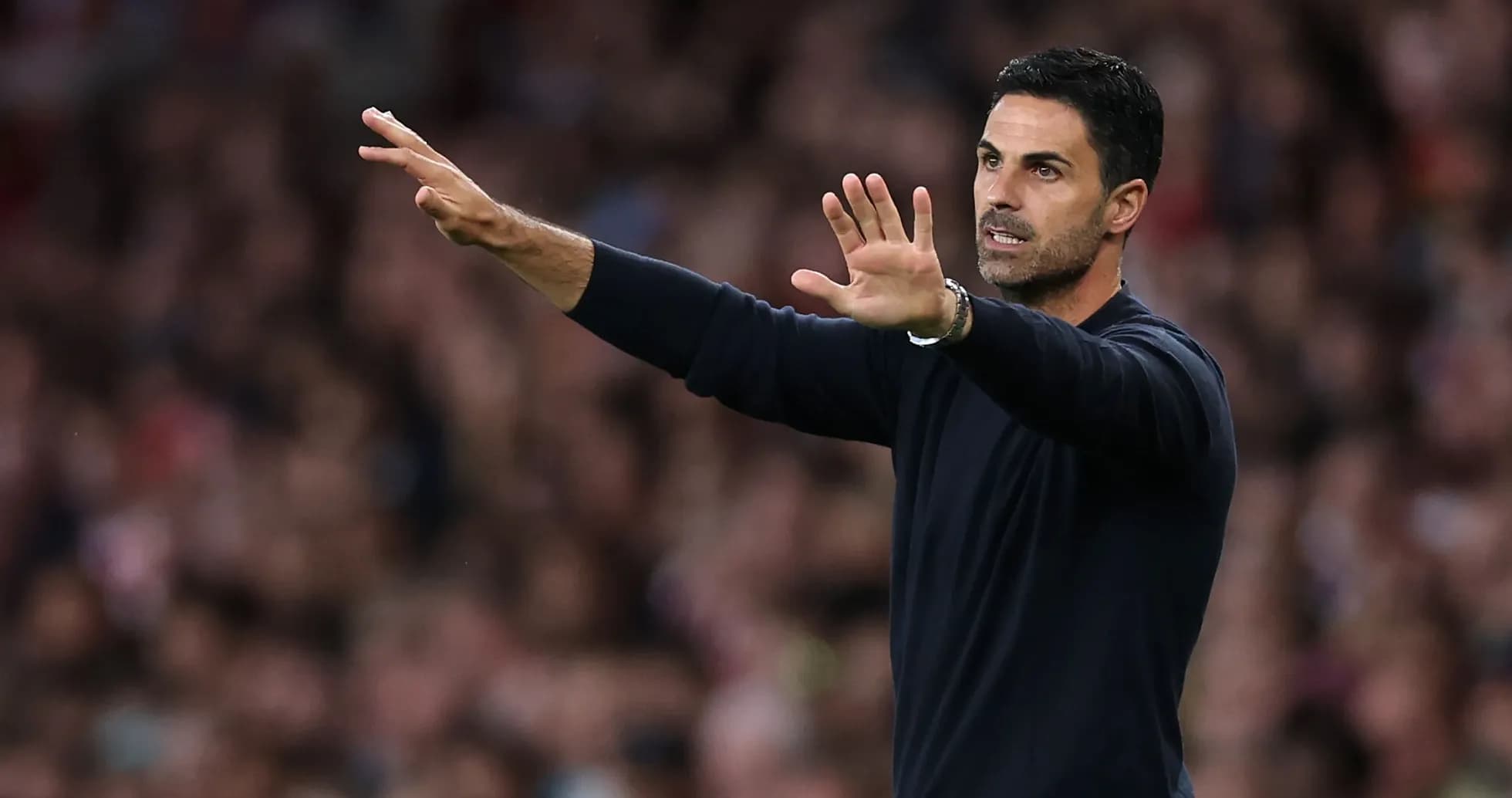
Mikel Arteta has turned up the volume on a debate the Premier League can no longer ignore.
On the eve of Arsenal’s clash with Aston Villa, the Spaniard renewed his plea for bigger matchday squads, urging league officials to act immediately and bring in changes this season for what he insists is a simple reason: player welfare.
Right now, managers can name nine substitutes, an increase brought in during the Covid-19 era. For Arteta, that’s no longer enough for a modern elite squad juggling domestic and international demands. He wants that number pushed higher so he no longer has to tell a fully fit first‑teamer he is not even allowed to sit on the bench.
And this isn’t an abstract argument. It has already bitten him.
This season, Arteta has had to leave out big names like Gabriel Martinelli and Gabriel Jesus from his matchday group entirely. Not just rotated. Not just benched. Cut from the squad. Those decisions, he says, create “a real problem” inside a dressing room built on togetherness and competition.
“That is why I have been begging Premier League officials to extend those numbers just for the safety of the players, which is the most important thing,” Arteta said. “I think every team needs more than 20 players on the pitch, ideally, to maintain the level of demand in the international matches we face, but these are the rules, and within these rules, we have to play.”
The strain shows most in the conversations behind closed doors. Telling an international forward or a senior pro that he is not even travelling with the team cuts deep. Arteta admits those “difficult” talks wear on him, particularly with players who would rather be in the dressing room and on the touchline than at home on the sofa.
“We need to be very close to the players to explain those situations in the right way, so that everyone feels their importance, because they will indeed be important,” he said.
For Arteta, this is not just about tactical options. It’s about identity, belonging, and keeping a high‑performance group engaged across a brutal calendar. One name left off a team sheet becomes one ego bruised, one rhythm broken, one relationship tested.
So he throws the question back to the dressing room.
“The question should be put to the players more than anyone else,” he insisted. “What do they want? If they say: no, I would rather stay at home, then we will have a problem because they will not like what they are doing.
“But I am sure that if you ask the players, everyone would want to be part of the team on matchday, otherwise you would have to tell one of them that he is not even part of the matchday squad. That is extremely hard. And it will not benefit anyone.”
Arteta’s argument is blunt. A restricted bench, he believes, harms everyone: the club, the coach’s ability to assess his squad, and the players’ sense of being part of the project.
“This does not benefit the club, nor does it benefit the assessment of the player, nor does it help them feel part of it,” he said. “In my opinion, it is a real problem and it has a very simple solution.”
The ball, as he keeps reminding the league, is now at the Premier League’s feet.