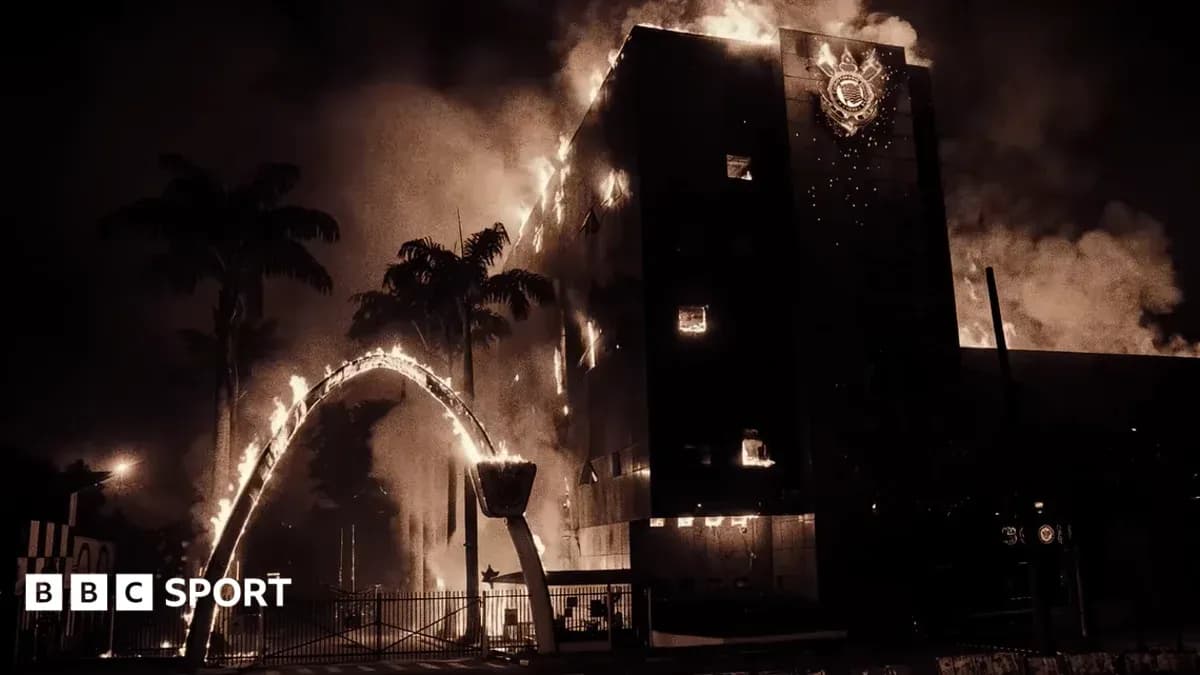
Memphis Depay Defends Music Video Amid Corinthians Controversy
Memphis Depay has moved to defend his latest music video after images of Corinthians’ headquarters engulfed in flames sparked outrage around the Brazilian club.
The Netherlands international, who combines his playing career with a long-running interest in music, released the track “Don’t Panic” just a day after helping Corinthians into the quarter-finals of the Copa Libertadores. The timing alone raised eyebrows. The content lit the fuse.
In the video, Depay is shown watching the club’s administrative base, Parque Sao Jorge, burning. The imagery dropped only days after a tense contract saga in which Corinthians initially chose not to renew his deal, before the 32-year-old agreed on Tuesday to take what the club described as a “significant” pay cut to stay.
The forward now finds himself at the centre of a different storm.
“It’s just art”
Corinthians fans are already in open revolt against the club’s hierarchy, protesting over financial problems and governance concerns. Into that climate came a video seemingly mirroring the anger on the streets, with Depay rapping about “rivals” and declaring: “I know a vice-president who is now my enemy.”
He never names names, but the line has been seized upon as a pointed reference to his recent battles behind the scenes.
Sensing the backlash building, Depay took to social media to cool the temperature around both the protests and his own role in the narrative. He stressed that the video was not a reaction to the latest dispute but a project completed long before it blew up.
He said the clip had been filmed “months ago” and urged supporters to keep demonstrations peaceful: “I hope it’s a peaceful protest where people can express what they think calmly. About my music, I insist it’s just art.”
The Dutchman also addressed the most explosive image head-on. Speaking about the depiction of Parque Sao Jorge in flames, he underlined that he is “fully against any type of violence of all kind”.
The club’s fans will decide whether that distinction between symbolism and incitement holds — at a time when every picture, every lyric, and every pay cut is being weighed against the chaos surrounding Corinthians’ future.