Manchester United's Left-Back Dilemma: The Transfer Window Gamble
As the clock nudged past 23:00 BST on 1 September and the transfer window slammed shut, the same thought cut through Manchester United’s fanbase: what about a left-back?
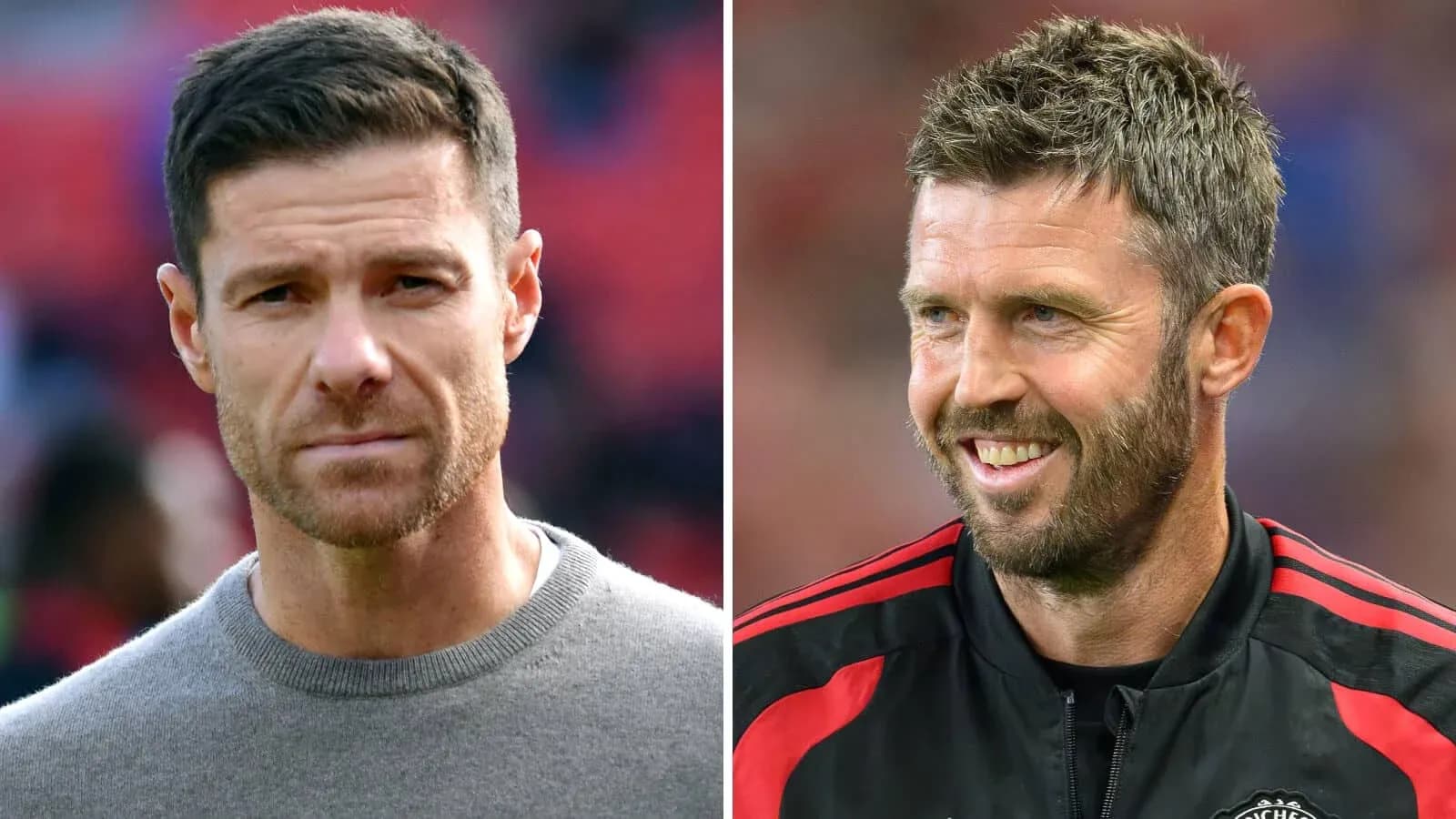
All summer, once the 2025-26 season was done and the debate over Michael Carrick’s squad began in earnest, the position felt like an obvious fault line. A problem waiting to surface.
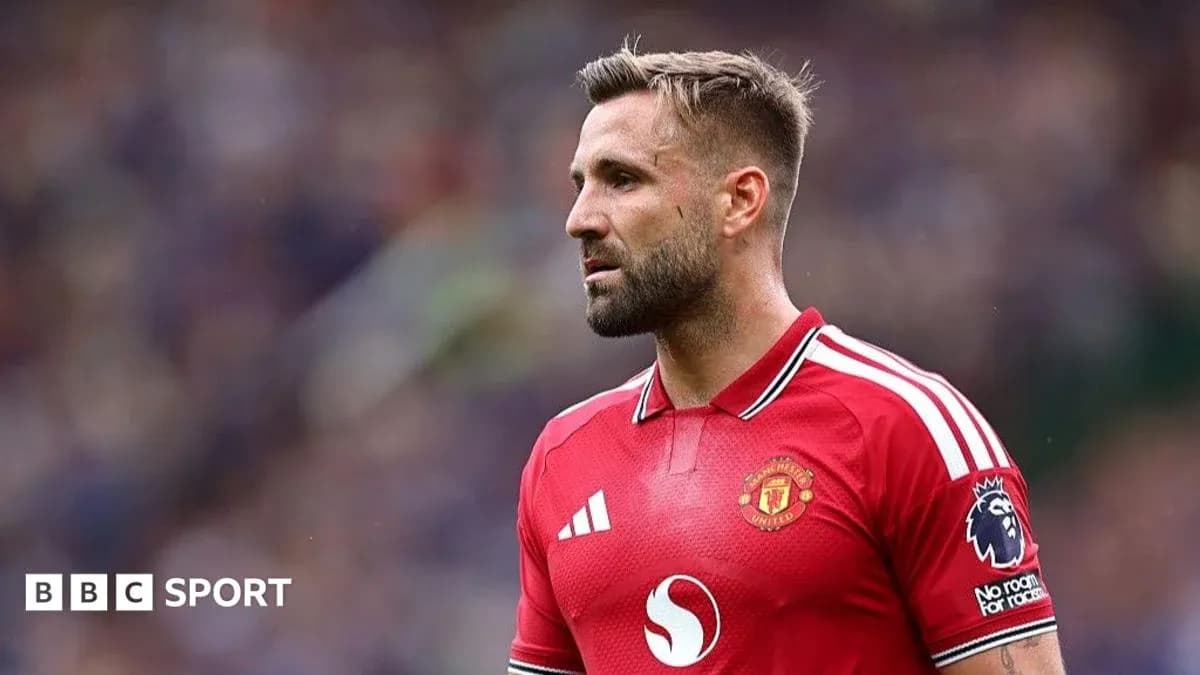
Luke Shaw is the only senior, specialist left-back in the squad. He started all 38 Premier League games last season – an extraordinary effort given his history with injuries. Nobody inside the club expects that to be repeated in a campaign that could stretch beyond 60 matches across all competitions.
Tyrell Malacia’s departure at the end of June, when his contract expired, only sharpened the focus. The Dutchman’s exit was expected. Reinforcements were too. They never arrived.
Targets were not the issue. Names were. Plenty of them.
- Lewis Hall at Newcastle.
- Alejandro Balde at Barcelona.
- Jorge Salinas at Racing Santander.
The list evolved, narrowed, twisted. In the end, United’s late play was a bold one: trying to tempt Rayan Ait-Nouri across the city on loan. Manchester City refused.
To push that move through, United would have had to agree to an obligation to buy further down the line. They chose not to. They decided to wait for what they still view as first-choice targets instead.
Now the deadline has passed. No new left-back. No short-term fix. At least until January, Carrick and United are locked into what can only be described as a calculated gamble.
The one that got away – and the one they’re willing to wait for
Inside Old Trafford, there is no hiding it: Manchester United really like Lewis Hall.
If a deal with Newcastle had been remotely workable, they would have done it. But Newcastle, already stripped of key players by Premier League rivals this summer, were in no mood to sell a 22-year-old they rate highly without a huge fee attached.
United’s budget was not bottomless. Far from it.
Faced with the numbers being discussed for Hall, the club stuck to the plan they had drawn up months earlier: the priority was midfield. That stance eventually led to a £70m commitment for Carlos Baleba from Brighton.
Hall, United concluded, is a player they are prepared to wait for until next summer.
The same pattern repeated elsewhere. United would have taken Balde on loan; Barcelona insisted on a permanent sale. Salinas had a relatively low release clause, but Atletico Madrid were always in pole position. By the time United circled back to Argentina defender Nicolas Tagliafico – and missed out on him as well – they had already started to move away from the idea of signing any left-back at all.
That is why the late move for Ait-Nouri, prompted by an agent’s approach earlier in the window, felt telling. It was a nod to a lingering doubt. A sign they are not completely convinced by the path they have chosen.
The plan: Shaw, improvisation and a teenager in limbo
Strip it back and the strategy looks stark.
Shaw remains first-choice. Behind him, Carrick will lean on Noussair Mazraoui, who plays left-back for Morocco, as the main deputy. Diogo Dalot, who has switched flanks before, offers another option. Then there is Harry Amass.
The Amass situation is one of the more curious subplots of United’s summer.
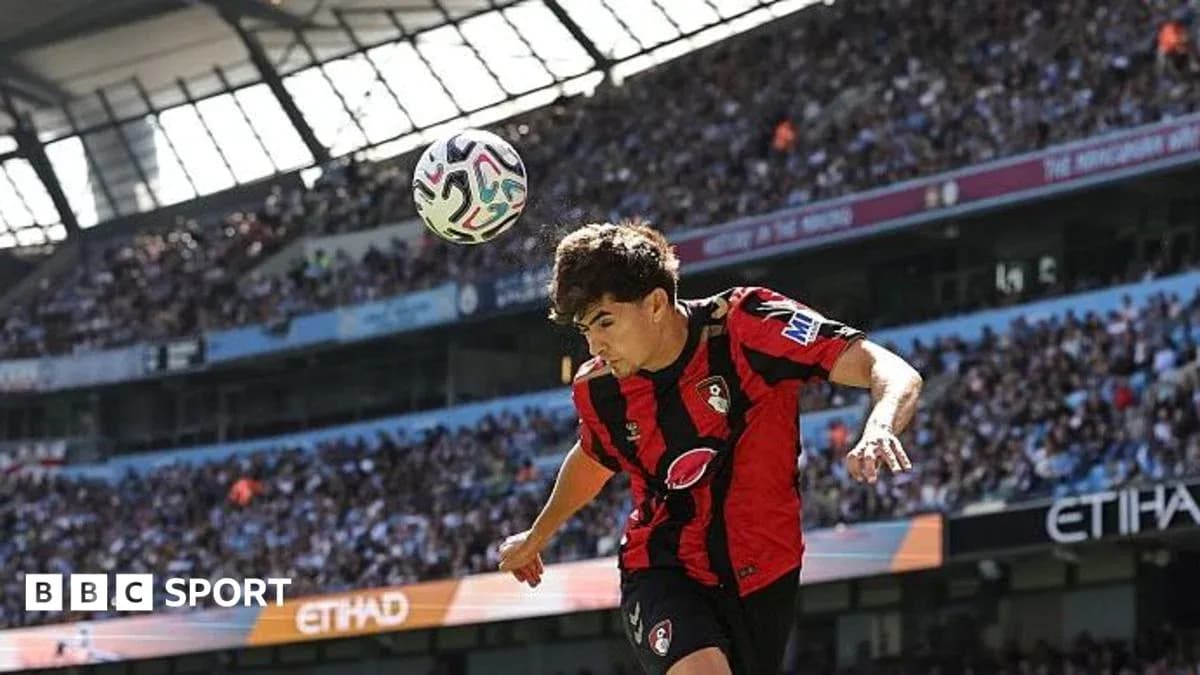
A natural left-back from the academy, he impressed on loan at Sheffield Wednesday last season before injury struck shortly after he moved to Norwich in the winter window. Now 19, he caught the eye again in pre-season, shadowing Shaw and looking comfortable in senior company.
Yet United were ready to let him go.
Back in the summer of 2024, then manager Erik ten Hag left Amass out of his Community Shield squad, even though the teenager had held his own against Mo Salah in a pre-season game in the United States just a week earlier. Ten Hag’s view was simple: physically, Amass was not yet at the required level.
Two years on, the defender is naturally bigger and stronger. Interest in him has been consistent. His absence from the Premier League 2 game against Leicester on Monday, even as the window ticked down, only fuelled the expectation that he would leave, most likely on loan.
He didn’t. The move never came. Now, as the dust settles, no-one is quite sure what his role will be in the senior set-up.
Yoro’s switch and the ripple effect
If Mazraoui is now seen as a genuine left-back option, that owes a lot to Leny Yoro.
Signed from Lille in 2024 for £52m as a central defender, the 20-year-old spent most of this pre-season operating at right-back. Carrick clearly sees something there.
Against Ipswich on Sunday, Yoro came on in that role, replacing Dalot, at the exact moment Mazraoui replaced Shaw on the opposite flank. The reshuffle felt deliberate. A glimpse of the plan.
Yoro is still learning the job. He will make mistakes. But he is quick, powerful and comfortable on the ball. United fans only have to glance across Manchester to see how a similar experiment has worked. Josko Gvardiol arrived at City as a centre-back and has grown into the full-back role, reshaping his game and Guardiola’s system along the way.
United are betting that something similar can happen with Yoro – and that Mazraoui can mirror his international form on the left.
That is the risk. Carefully weighed, numbers crunched, scenarios mapped out. Still a risk.
Haunted by past mistakes
One thing is clear: United were determined not to panic.
They spent the summer holding a hard line on fees, refusing to pay more than they felt a player was worth. The scars of recent history are still fresh. Alex Telles. Matteo Darmian. Sergio Reguilon. All signed as short-term or stop-gap full-back solutions. None truly at the level United needed.
The club hierarchy were adamant they would not repeat those mistakes with another compromise signing who would clog up the wage bill and block future deals.
On paper, the stance is logical. Even admirable.
On the training pitch and in the boardroom, it probably feels like the right call.
But logic does not make tackles in the 88th minute when Shaw is out and Mazraoui is already covering somewhere else. Logic does not soothe a fanbase watching a patched-up back line creak under pressure in a tight away game in December.
That is where this decision will be judged – in the chaos of matchdays, not in the calm of a transfer strategy meeting.
United have rolled the dice. They have backed Shaw’s body, Mazraoui’s versatility, Yoro’s adaptability and Amass’s potential over a big fee for a left-back they were not convinced by at the price.
By January, everyone will know whether that restraint was smart business – or a corner they backed themselves into.