Manchester City Faces Major Transition After Arsenal Defeat
The Etihad has seen quieter nights than this, but rarely one that felt so symbolic.
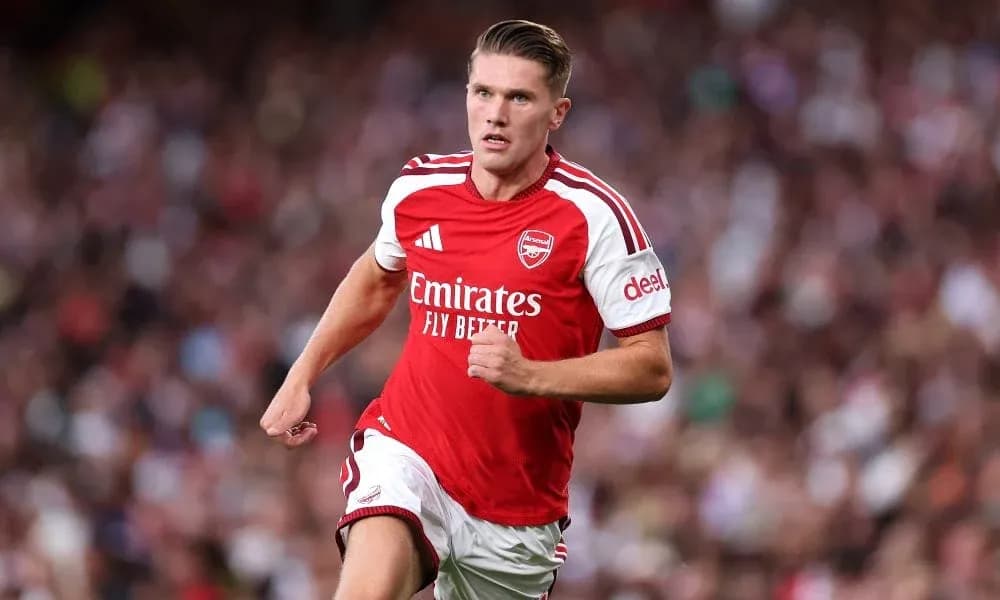
A 3-0 defeat to Arsenal in the Community Shield would once have been brushed off as a pre-season blip, a glorified friendly to stretch the legs. This one landed differently. It looked and sounded like the end of something – the first real crack in a project that has dominated English football for more than a decade.
The scoreboard told one story. The context screamed another.
The pillars begin to fall
Manchester City are not just losing games. They are losing pillars.
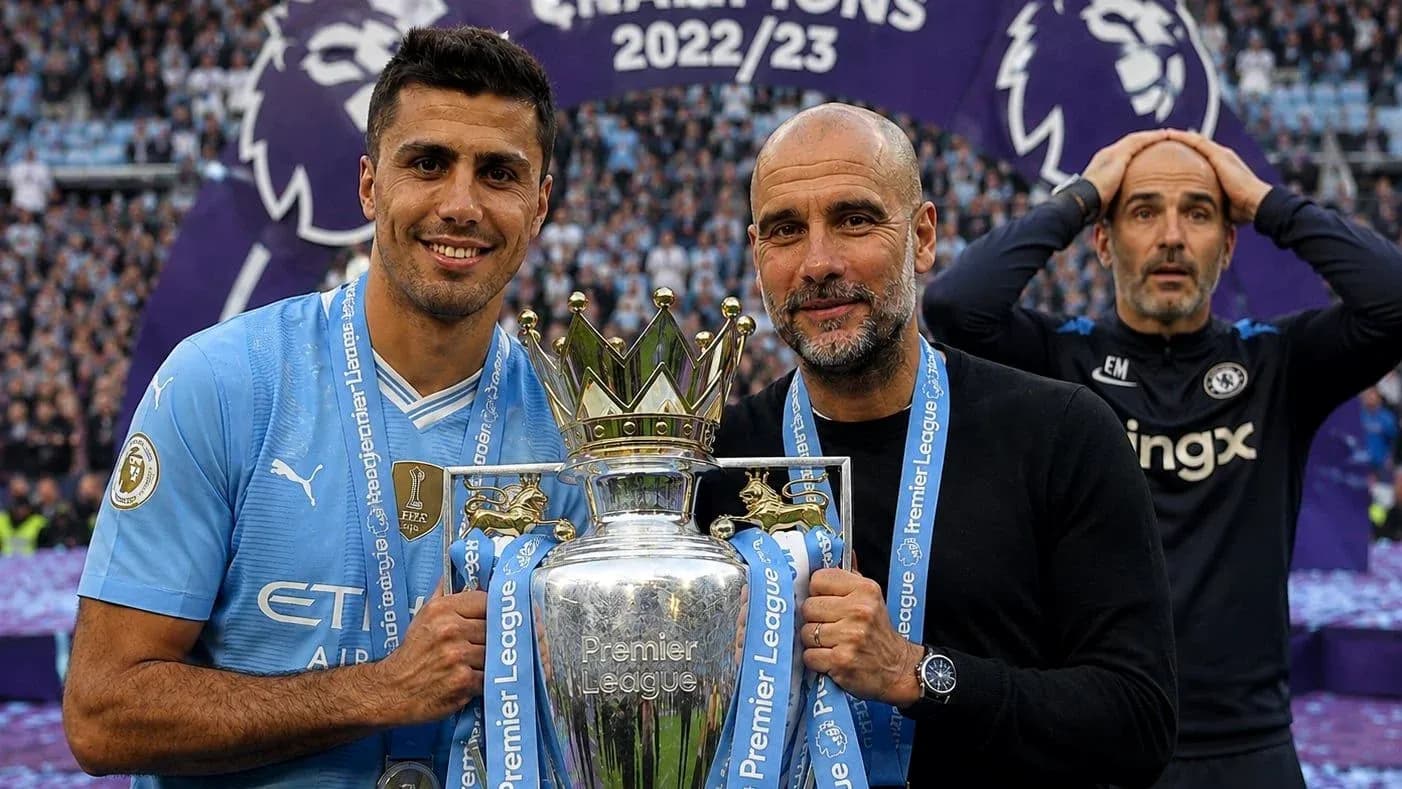
Txiki Begiristain, the architect in the shadows, has gone. Pep Guardiola, the defining coach of the modern Premier League era, is heading for the exit. Rodri, the metronome and shield in midfield, is edging towards a farewell of his own.
Take those three out of any club and the foundations shudder. Take them out of City, and an era ends.
Inside English football, one question now hangs in the air: can City avoid the long, painful slide Manchester United endured after Sir Alex Ferguson walked away? Or does the simultaneous loss of their sporting director, their visionary coach and their on‑field general drag them into a full reset under suffocating expectations?
That question is no longer confined to think pieces and talk shows. It has started to play out on the pitch.
Maresca walks into the storm
Enzo Maresca knew he was stepping into a giant’s shoes. Now he knows how heavy they are.
Here is a coach with pedigree: titles with Leicester City and Chelsea, a clear tactical identity, and a reputation as a bright, modern thinker. None of that counted for much when Arsenal tore through his side in his first serious test.
City did not just lose. They looked vulnerable. They walked away from Wembley with a bruising defeat and the unmistakable sense that the easy years at the Etihad are over.
The ownership remains rock solid. Ferran Soriano is still in place, the executive brain behind the financial and operational model that turned City into a superclub. The money has not dried up, nor has the ambition.
But the first great pillar has already been removed.
Txiki Begiristain, arguably the outstanding sporting director of the modern era, chose to step down quietly more than a year ago. He did not slam doors or grab headlines. He guided the handover, advised his successor Hugo Viana, and tried to smooth the transition.
Time has shown the gap.
Begiristain built squads with ruthless clarity. Erling Haaland for around £60 million. Rodri for about £70 million. Big money, yes, but balanced by smart exits, relentless planning and a squad that rarely needed dramatic surgery.
Viana’s first summer tells a different story: over £130 million on just two signings. The spending is not the issue in itself. The shift in approach is.
This is not a minor administrative tweak. It is a sign that the long-term vision that defined City is changing shape – just as United’s did in the years after Ferguson, when short-term fixes slowly replaced coherent planning.
Life after Pep
If Begiristain was the architect, Guardiola was the artist.
He is the second great pillar to fall. His tactical innovation, his relentless demand for standards, his ability to win and then win again – all of that turned City from rich contenders into a machine.
But he brought something even rarer: total authority.
Pep was untouchable. Win, and he was a genius. Lose, and he was still the man. No internal whispers, no serious doubts, no boardroom panic. No manager after him – not even one as assured as Maresca – will inherit that kind of power.
The difference between a coach who knows he is secure and one who feels the breath of scrutiny on his neck shows up in everything: selections, substitutions, risk, the way a team responds to pressure.
When Guardiola goes, City do not just lose a style of play. They lose the certainty that came with it. The aura that bent opponents before a ball was kicked. The psychological edge that made rivals feel they were chasing a ghost.
The hole he leaves looks eerily similar to the one United never truly filled after Ferguson. Manager after manager tried to replicate the old magic. None did. The club spent years, and fortunes, chasing an identity that had already walked out of the door.
Rodri: the most dangerous loss of all
If Guardiola’s departure reshapes the club and Begiristain’s exit alters the blueprint, Rodri’s looming farewell threatens the team’s heartbeat.
Very few midfielders can drag a side up a level on their own. Rodri is one of them.
With him, City looked like champions-in-waiting most weeks. Without him, they looked ordinary. His previous absences exposed a midfield stripped of balance and discipline, a unit suddenly unsure of its distances and roles.
He did not just break up play. He dictated it. He set the tempo, plugged gaps, and allowed City’s attacking players to play with freedom, knowing there was a mind and a body behind them that understood every phase.
His imminent departure is not just another transfer. It is a direct hit on the core of the team – the kind of loss that history shows is almost impossible to absorb quickly. Clubs across Europe can point to the moment they lost their pivotal man and never quite recovered their level.
City have no guarantee they will be different.
A superclub in a rebuilding tunnel
None of this means Manchester City are about to collapse.
They still have staggering financial power. They still boast elite facilities, a global scouting network, and owners who do not flinch in the face of pressure. Those advantages matter, especially in a league where money and structure can cover many cracks.
But the three minds who built the most dominant project English football has seen in the modern era are either gone or going. That reality cannot be spun away.
Maresca’s task is brutal. He must craft a new identity while results are demanded now, not in two or three years. He must manage a dressing room conditioned to winning under one voice, one idea, one standard, and convince it to follow a different path.
The defeat to Arsenal in the Community Shield will not define his tenure. It settles nothing on its own. Yet it stripped away the illusion that City could glide into a new era without turbulence. The balance, the control, the suffocating solidity of recent seasons were missing.
If that pattern continues into the opening weeks of the campaign, the pressure will intensify. The temptation to rip things up and rebuild almost from scratch will grow – exactly the spiral United fell into once the Ferguson era snapped shut.
What happened at Old Trafford after 2013 is now the cautionary tale on every boardroom wall. Years of managerial churn. Confused recruitment. Huge spending with little return in terms of identity or sustained success.
City have the tools to avoid that fate: stable ownership, financial discipline, and a clear memory of how they built it right the first time. But memory alone does not win titles.
The first warning sign flashed at Wembley. The fear of reliving their rival’s long, drawn-out decline is no longer paranoia. It is a genuine possibility.
The project forged by Txiki, Pep and Rodri may prove impossible to recreate with the same force. The coming months will reveal whether Manchester City can bend this transition to their will – or whether they are about to discover just how long and dark a rebuilding tunnel can be.