Liverpool vs West Ham: High-Stakes Relegation Battle in FA WSL
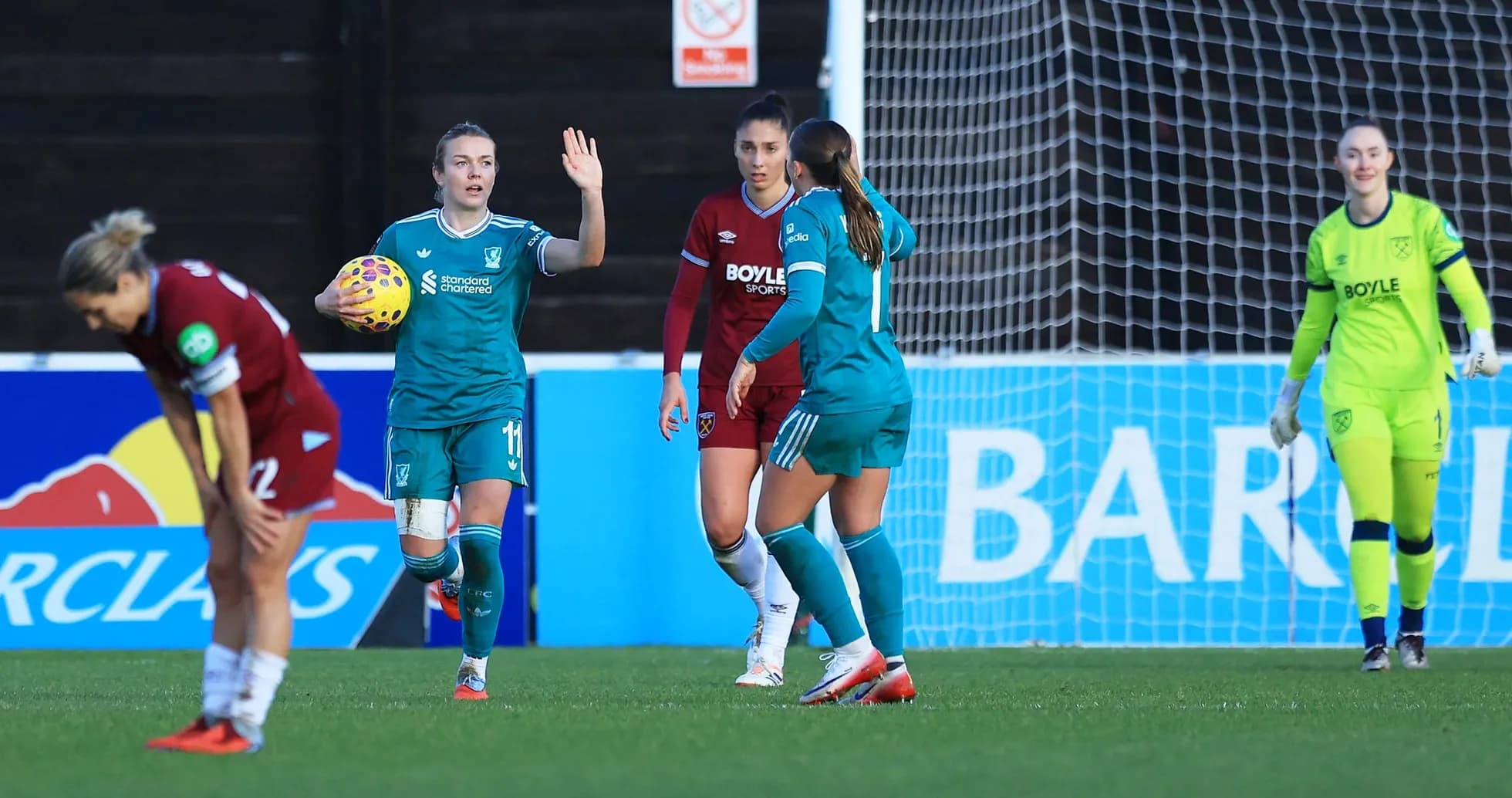
St Helens Stadium stages a high‑stakes relegation scrap in the FA WSL on 26 April 2026 as 10th‑placed Liverpool W host 11th‑placed West Ham W. With just one point separating the sides and only one game left after this round, survival in the league is the unspoken prize on Merseyside.
Liverpool sit 10th in the table with 17 points from 19 matches, a goal difference of -9 and a recent form line of WDWLW in the league. West Ham are directly below them in 11th on 13 points, with a far worse goal difference of -25 and form of DLDLW. Both are in the bottom two, and while the table does not explicitly show relegation rules, the context makes this a de facto six‑pointer: defeat would leave West Ham in deep trouble, while a Liverpool win would almost certainly keep them ahead of their visitors going into the final day.
Tactical Landscape: Liverpool’s structure vs West Ham’s chaos
Across all phases this season, Liverpool have been inconsistent but structured. Their most used formation is a 4‑1‑4‑1 (7 games), with 4‑2‑3‑1 and 5‑4‑1 also appearing. That flexibility hints at a side that can toggle between front‑foot pressing and deeper protection depending on opponent and game state.
In the league, Liverpool have scored 20 and conceded 29 in 19 matches. At home they are notably more solid: 3 wins, 3 draws, 3 defeats, with 12 scored and 11 conceded. The goals‑for minute distribution is telling: 33.33% of their goals arrive in the first 15 minutes (6 of 20), and they also have late threat with 3 goals between 76‑90 and 2 more in added time (91‑105). This is a team that starts aggressively and can still punch late.
Defensively, though, the danger zone is after half‑time. Liverpool concede most between 46‑60 minutes (7 goals, 22.58% of their total against), and also ship heavily in the final quarter‑hour (6 goals, 19.35% between 76‑90). Any lapse in concentration around the restart or in the closing stages could be costly in a match of this magnitude.
West Ham, by contrast, look far more chaotic. Their primary setup is a bold 3‑4‑3 (8 games), occasionally switching to 4‑2‑3‑1 or 3‑4‑1‑2. The numbers show a side whose attacking ambition is not matched by defensive solidity. Across all phases they have scored just 16 goals (0.8 per game) and conceded 41 (2.2 per game). Away from home it is even starker: only 4 goals scored in 9 away matches, with 21 conceded. They have lost 8 of those 9 away games, winning just once and drawing none.
With such a fragile away record, West Ham’s 3‑4‑3 may be forced into a more conservative shape out of possession, with the wing‑backs pinned deep and the front line isolated. But they do have one clear attacking reference point: Shekiera Aisha Martinez.
Key Players: Olsson and Enderby vs Martinez
West Ham’s hopes rest heavily on Martinez, their top scorer with 5 league goals from 18 appearances. She has 11 shots on target from 18 attempts, indicating a decent level of efficiency when chances do come. Operating as an attacker in a 3‑4‑3, she is likely to be the focal point for transitions, running channels behind Liverpool’s full‑backs and attacking crosses from wide.
For Liverpool, the attacking burden is more shared, but two names stand out.
Beata Karin Eleonora Olsson has been quietly efficient: 4 goals and 1 assist in just 477 minutes, with a strong average rating of 7.11. She has started 10 of her 13 appearances, which suggests she is trusted to lead the line or play off the front in the 4‑2‑3‑1. Her shot volume is modest (7 total, 4 on target), but her conversion rate is high – a sign of a player who makes good decisions in the box.
Behind and around her, 20‑year‑old Mia Enderby has been a key creative presence. With 3 goals and 2 assists in 19 appearances (15 starts) and a rating of 6.93, she offers ball progression and end product from midfield. Her passing accuracy stands at 79% with 4 key passes recorded, and she wins nearly half of her duels (34 of 73), underlining her ability to carry the ball through pressure and link midfield to attack.
Penalties are unlikely to define the narrative, but both teams have been perfect from the spot in the league this season: Liverpool have scored 2 of 2, West Ham 1 of 1, with no recorded misses.
Form and underlying numbers
Liverpool’s season‑long form string (LLLLLLDDLLDDWLWLWDW) shows how deep their early‑season slump was, but the more recent league form of WDWLW suggests a side that has stabilised. They have kept 4 clean sheets across all phases (3 at home) and failed to score in 7 matches overall, indicating that when they do get their attacking game right, they can be tough to break down.
Under/over data for Liverpool’s league matches shows a team more often involved in low‑scoring contests. At the 2.5‑goal threshold, only 2 of their 19 games have gone over 2.5, with 17 under. That matches the raw totals: 20 scored and 29 conceded (49 goals across 19 games, just over 2.5 per game overall, but many games bunched around 1‑1s, 1‑0s and 0‑1s). Combined with West Ham’s blunt attack and leaky defence, it suggests a game where Liverpool are more likely to manage the tempo and keep things controlled rather than be drawn into a shoot‑out.
West Ham’s season‑long form line (LLLLLLLDWLDLWLWLDLD) underlines their inconsistency and frequent collapses. They have just 1 clean sheet all season and have failed to score in 9 matches. Away from home, the pattern is even bleaker: 6 failures to score in 9 away games. That will weigh heavily on confidence coming into a must‑not‑lose fixture.
Discipline could be another subtle factor. Liverpool have picked up most of their yellow cards between 61‑75 minutes (35.71%) and in added time (91‑105, 28.57%), hinting at late‑game stress and tactical fouling. West Ham’s yellow card peak is between 76‑90 minutes (45.83%), suggesting they often chase games late and get stretched. In a tight relegation battle, a late booking or red could tilt the balance.
Head‑to‑Head: Liverpool edging a tight series
Looking at the last five competitive meetings (league and cup only, no friendlies), Liverpool have the upper hand:
- 2‑2 draw at Chigwell Construction Stadium in December 2025 (FA WSL).
- 1‑0 Liverpool win at St Helens Stadium in February 2025 (FA WSL).
- 5‑0 Liverpool win away at West Ham in the FA Women’s Cup 4th Round in January 2025.
- 1‑1 draw away in September 2024 (FA WSL).
- 3‑1 Liverpool win at Prenton Park in March 2024 (FA WSL).
Over these five, Liverpool have 3 wins, West Ham have none, and there have been 2 draws. West Ham have not beaten Liverpool in this run, and Liverpool’s dominance in the cup tie – 5‑0 away – underlines the potential gap in quality when the hosts click.
The Verdict
All the evidence points towards Liverpool entering this fixture as favourites, particularly at St Helens Stadium. They are stronger at home, in better recent league form, and have a more balanced attack with Olsson and Enderby in good seasons. Their defensive numbers are not spectacular, but they are significantly better than West Ham’s, especially at home.
West Ham’s away record – 1 win and 8 defeats, with just 4 goals scored and 21 conceded – is a major red flag. Martinez offers a real threat, and a 3‑4‑3 can cause problems if West Ham manage to press high and attack Liverpool’s vulnerable post‑half‑time period. But the data suggests they struggle to sustain that intensity, especially on the road.
Expect Liverpool to start fast, look to strike early, and then manage the game with a compact mid‑block. West Ham will likely be forced into reactive football, hoping to exploit transitions and set pieces. Given Liverpool’s H2H dominance, superior home record and West Ham’s away frailties, the most logical outcome is a narrow home win in a low‑scoring match that could go a long way to deciding who stays in the FA WSL.