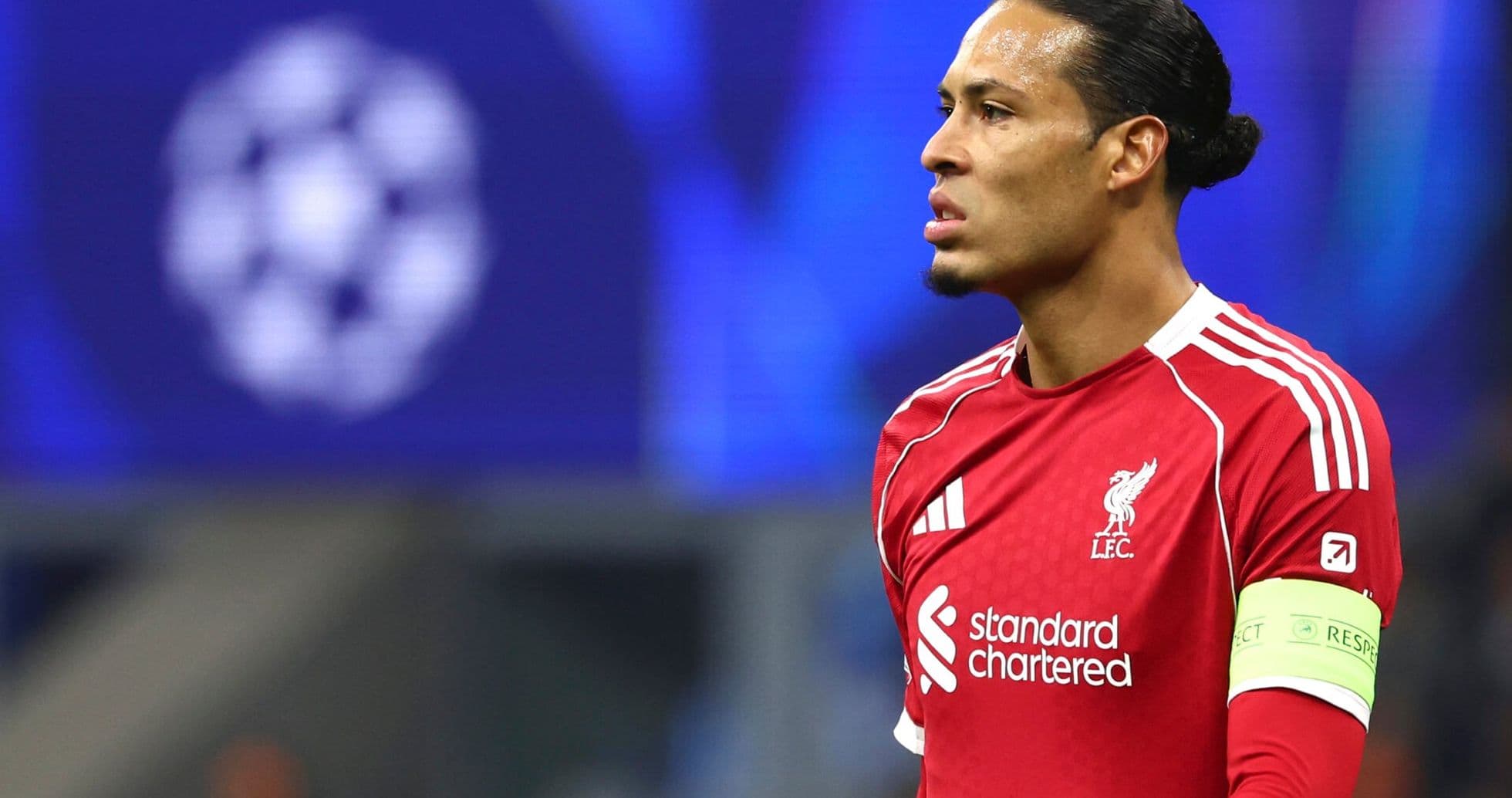
Liverpool vs Qarabag: UEFA Champions League Match Preview
Liverpool host Qarabag at Anfield in UEFA Champions League League Stage - 8 on 28 January 2026 (20:00 UTC). Liverpool come in ranked 4th with 15 points and a +6 goal difference, while Qarabag sit 18th on 10 points with a -2 goal difference. Both are already in the promotion spots but with different trajectories.
Squad Analysis: Liverpool
Liverpool’s campaign has been efficient: 5 wins from 7 matches, no draws, and only 2 losses. Their 14 goals in 7 games give them an average of 2.0 goals per match, while they concede just 1.1 on average (8 against), underlining a solid balance. Three clean sheets in 7 fixtures show defensive reliability despite some vulnerability at Anfield, where they have conceded 6 of those 8 goals.
Injuries stretch their depth. They are without S. Bajcetic, C. Bradley, J. Gomez, A. Isak, I. Konate, G. Leoni and C. Scanlon, all listed as “Missing Fixture”, which weakens both defensive options (Gomez, Konate) and attacking variety (Isak). R. Williams is also inactive, and F. Chiesa is questionable. That many absences in defense could be significant against a side averaging over 2 goals per game.
Offensively, Dominik Szoboszlai is the clear standout. In 7 appearances he has 4 goals and 3 assists, directly contributing to 7 of Liverpool’s 14 goals (50%). His 12 shots with 10 on target show high efficiency, and his 19 key passes from 440 total passes underline his dual role as scorer and creator. Liverpool tend to score in bursts, with 4 of their 14 goals (28.6%) coming between 31–45 minutes and another 6 (42.9%) between 61–90 minutes.
Discipline-wise, Liverpool have spread their bookings across the team and minutes: they have yellow cards in every band from 16–75 minutes plus 91–105, but no reds, suggesting controlled aggression.
Squad Analysis: Qarabag
Qarabag arrive with more games under their belt: 13 played, 8 wins, 1 draw, 4 losses. Their attack has been prolific, with 28 goals in 13 matches (2.2 per game), slightly better than Liverpool’s rate. They have scored 17 at home and 11 away, showing they travel with offensive intent (1.8 away goals per match).
Defensively, they are looser than Liverpool, conceding 20 goals (1.5 per game). Away from home they have let in 8 in 6 matches (1.3 per game). Four clean sheets indicate they can shut opponents down, but the fact that 6 of their 20 conceded goals (30%) arrive between 76–90 minutes hints at late-game fragility.
Creatively and in front of goal, Leandro Andrade and C. Durán are the headline threats. Both have 4 goals each in the Champions League. Andrade has 4 goals and 2 assists in 10 appearances, meaning he has been directly involved in 6 of Qarabag’s 28 goals (21.4%). Durán adds 4 goals and 1 assist in 7 appearances, a direct contribution to 5 goals. Durán’s 11 shots with 7 on target show he is their primary finisher, while Andrade’s 9 key passes from 134 total highlight his link role.
Qarabag are also missing key pieces. Goalkeeper S. Mahammadaliyev is out injured, while A. Rzayev and R. Sheydayev are inactive. The absence of their regular keeper could be critical against a Liverpool side averaging 2.3 away goals and 2.0 overall.
Discipline is a concern: Qarabag’s yellow cards cluster late, with 6 bookings (33.3%) between 61–75 minutes and 4 (22.2%) between 76–90, potentially inviting pressure in the closing stages.
Key Matchups & Tactical Trends
Battle 1: Szoboszlai vs Qarabag’s back line
Szoboszlai’s 4 goals and 3 assists face a Qarabag defense conceding 1.5 goals per game and 20 overall. With Liverpool scoring 2.3 per match away and Qarabag allowing 8 in 6 away fixtures (1.3 per game), the Hungarian’s ability to exploit spaces between the lines, backed by 19 key passes, directly tests Qarabag’s structure and their stand-in goalkeeper.
Battle 2: Andrade & Durán vs a depleted Liverpool defense
Qarabag’s dual spearhead of Andrade (4G, 2A) and Durán (4G, 1A) confront a Liverpool defense missing Gomez and Konate. Qarabag’s 28 goals and 2.2 per-game average, plus a strong late scoring profile (7 of their 28 goals, 25.0%, between 76–90 minutes), will probe Liverpool’s depth, particularly as Liverpool concede 2.0 goals per game at home in this competition (6 in 3 matches).
Battle 3: Creative force vs disciplinary risk
Andrade’s creativity (9 key passes, 4 goals, 2 assists) will frequently come up against Qarabag’s own aggressive defensive leaders in training, but in this match the discipline story sits in their back line. Matheus Silva and Kevin Medina have 4 yellow cards each, combining for 8 of Qarabag’s bookings. If Liverpool’s main creator, Szoboszlai, keeps drawing fouls (3 drawn so far), Silva and Medina’s 19 and 11 fouls committed respectively could tilt the disciplinary balance and invite set-piece danger.
Statistical Clash: Attack vs Attack, Defense vs Defense
Offensively, Qarabag edge the volume with 28 goals to Liverpool’s 14, and a higher average (2.2 vs 2.0). However, Liverpool’s defense is tighter, conceding only 8 in 7 (1.1 per game) compared to Qarabag’s 20 in 13 (1.5 per game). Clean sheets underline this: Liverpool have 3 in 7 (42.9%), Qarabag 4 in 13 (30.8%). Both teams are strong late in games: Liverpool score 6 of 14 goals (42.9%) after 61 minutes, while Qarabag score 9 of 28 (32.1%) from 61–90, suggesting an open, high-intensity second half.
Discipline could shape the rhythm. Qarabag’s yellow cards spike after the break, with 13 of their bookings (72.2%) coming from 61–105 minutes. Liverpool also see most of their yellows between 46–75 minutes (5 of their total), so the middle third of the match may be particularly combative, influencing substitutions and tempo.
Verdict
The data points to a clash between two potent attacks. Qarabag bring more scoring volume with 28 goals and a 2.2-per-game rate, but Liverpool offer a more balanced profile, pairing 2.0 goals per match with only 1.1 conceded and 3 clean sheets. Statistically, Liverpool hold the defensive edge, while Qarabag’s broader attacking spread and late scoring threat keep the contest finely poised.