Liverpool's Resilience Shines in Draw Against Newcastle
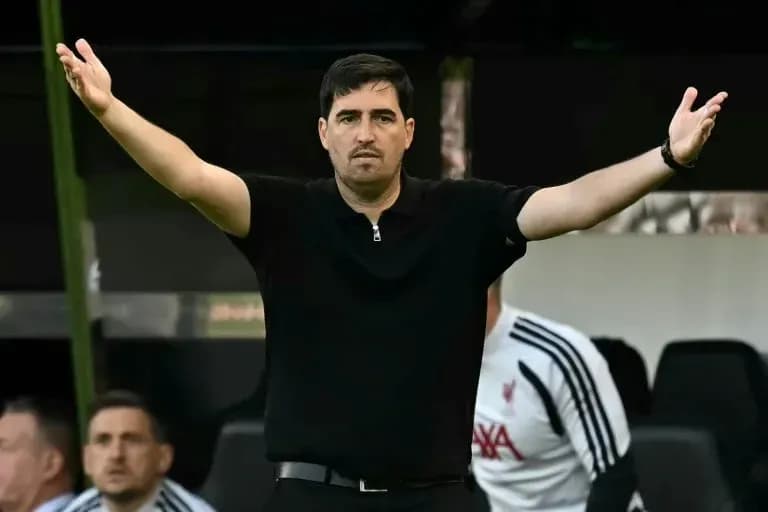
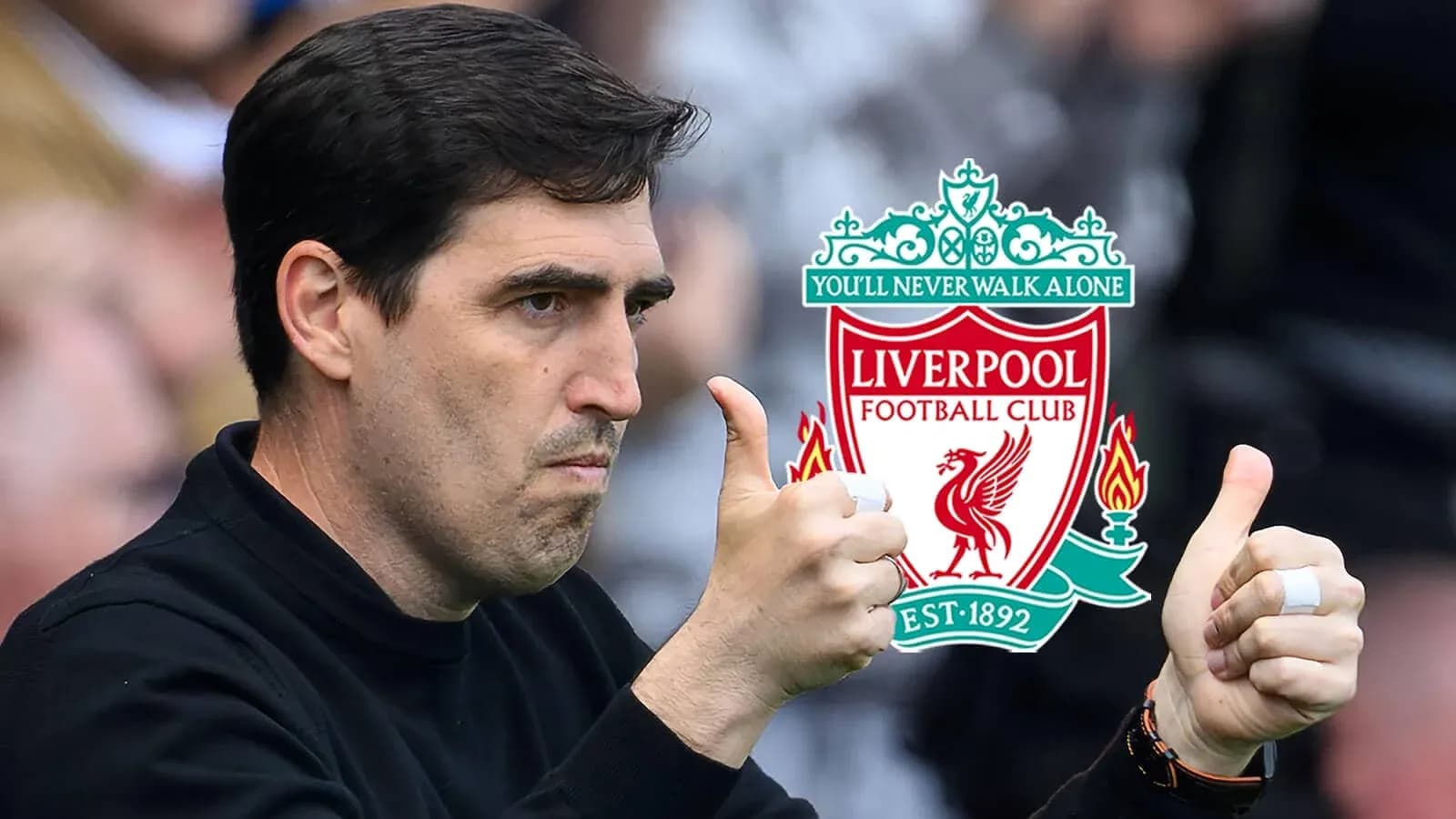
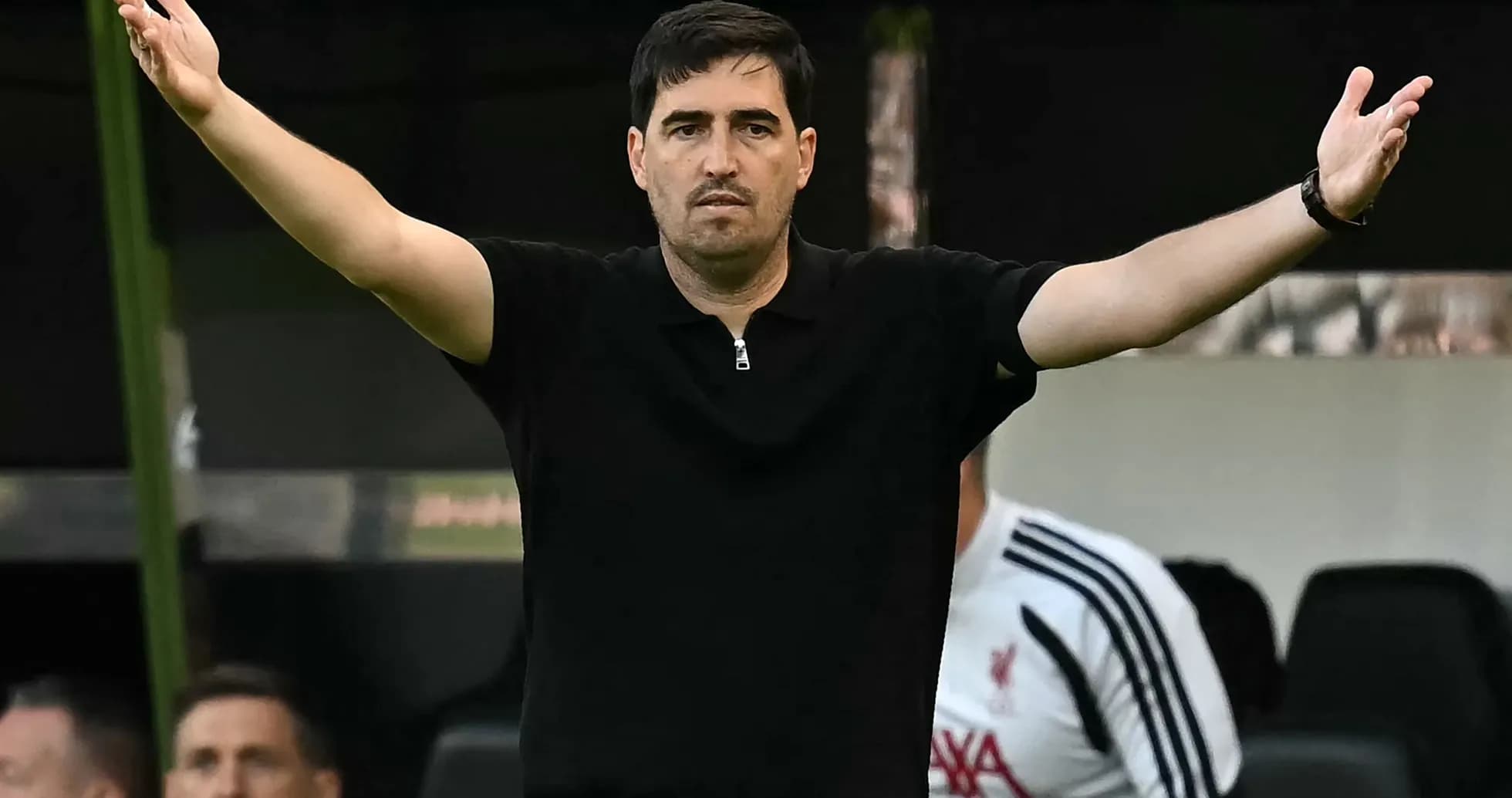
Andoni Iraola walked off at St James’ Park with a point and a paradox.
His Liverpool side had trailed twice, been rattled early, then dragged themselves back into a game that swung wildly from end to end. Newcastle struck first through Anthony Elanga, then again via Joe Willock. Each time, Liverpool found an answer – Cody Gakpo first, then Dominik Szoboszlai – and somehow escaped with a draw that felt better than it looked on paper.
“It’s a strange feeling,” Iraola told BBC after the final whistle. Not the result he wanted. Not the performance he had in mind for an opening day. But the manner of the late comeback softened the blow. The equaliser, he admitted, “tastes better” because of the route they took to get there. The regret lingered all the same. Liverpool had wanted more than character; they had wanted three points.
They were nowhere near that level in the opening minutes.
Liverpool conceded inside five minutes, undone by exactly what Iraola had warned about: Newcastle’s speed, the occasion, the noise. “We started the game the worst way we knew,” he said, bluntly. First game of the season. Away. High tempo. Fast runners. One lapse, one break, and they were behind.
Newcastle punished them. Suddenly Liverpool were chasing not just the ball, but the game itself.
Yet they refused to fold. “We didn’t give up in any moment,” Iraola insisted, and the second half backed him up. Once they had absorbed the early blows and settled into some rhythm, Liverpool began to dictate where the match was played. The ball stayed higher up the pitch, the pressure grew around the Newcastle box, and the visitors finally looked like a side that could flip the script.
“Once you concede the first goal, you need the game to go fast,” Iraola explained. When you’re losing, you need chaos, chances, mistakes. Liverpool found that urgency after the break. They had “better possession around their box,” as the manager put it, and when they levelled, the momentum tilted. For a spell, it felt like Liverpool were the team ready to turn the contest on its head.
Then came the sting. Just as they looked poised to complete the turnaround, Newcastle struck again. Another punch to absorb. Another deficit to claw back.
That constant intensity, the relentless transitions, drained bodies on both sides. Iraola and his staff leaned heavily on their bench, forced into changes not by design, but by necessity. Jeremy Jacquet was one of those sacrificed to the demands of the night.
“Jeremy hasn’t done a proper pre-season, so it was kind of expected that he didn’t finish the game,” Iraola said. The pace of the match exposed any lack of conditioning. It also underlined how central the substitutes will be to Liverpool’s identity under him. “All the substitutes gave us energy,” he added. The way he wants his team to play makes it “difficult to last the full 90 minutes with the same players.” Fresh legs are not a luxury in this system; they are part of the game plan.
One of those changes altered the mood of the evening.
Victor Munoz, introduced from the bench, earned the late penalty that completed Liverpool’s comeback. His direct running and willingness to attack defenders gave Newcastle a new problem to solve in the closing stages. Iraola even felt Munoz might have had more. “Victor almost had another penalty,” he said, frustrated that an earlier incident was cut short. The referee had blown the whistle before the contact, and in the manager’s eyes “it was even more clear.” Still, the impact was undeniable. Munoz “really affected the game.”
Liverpool left with a draw, bruised but buoyed, their flaws exposed yet their resilience confirmed. If this frantic opener is a sign of what Iraola’s Liverpool will look like, the real question is simple: can they turn that chaos into something ruthless over the long season ahead?