Liverpool and Chelsea Battle in High-Stakes Anfield Clash
Liverpool and Chelsea arrived at Anfield carrying very different kinds of tension, but the same brutal reality: drop more points now, and the season’s ambitions shrink fast.
Arne Slot’s side began the weekend in fourth, 58 points on the board and the Champions League within reach. Win, and the path to Europe’s elite would look clearer, if not yet comfortable. Lose, and the door would creak open for the chasing pack.
Chelsea’s situation felt far more fragile. Ninth in the table, six straight league defeats behind them, and an interim coach in Calum McFarlane still searching for a foothold. Anfield is rarely a kind place to find one.
Liverpool Set the Tone
Liverpool started like a team that understood the stakes. They didn’t just take control; they suffocated Chelsea.
Inside the opening exchanges, the numbers told the story: close to 87 percent possession, red shirts camped in the Chelsea half, blue ones pinned back and scrambling. Dominik Szoboszlai and Cody Gakpo buzzed between the lines, full-backs Jeremie Frimpong and Milos Kerkez high and aggressive, stretching the pitch and forcing Chelsea’s back line into constant retreat.
The breakthrough came early, and with it a glimpse of Liverpool’s future.
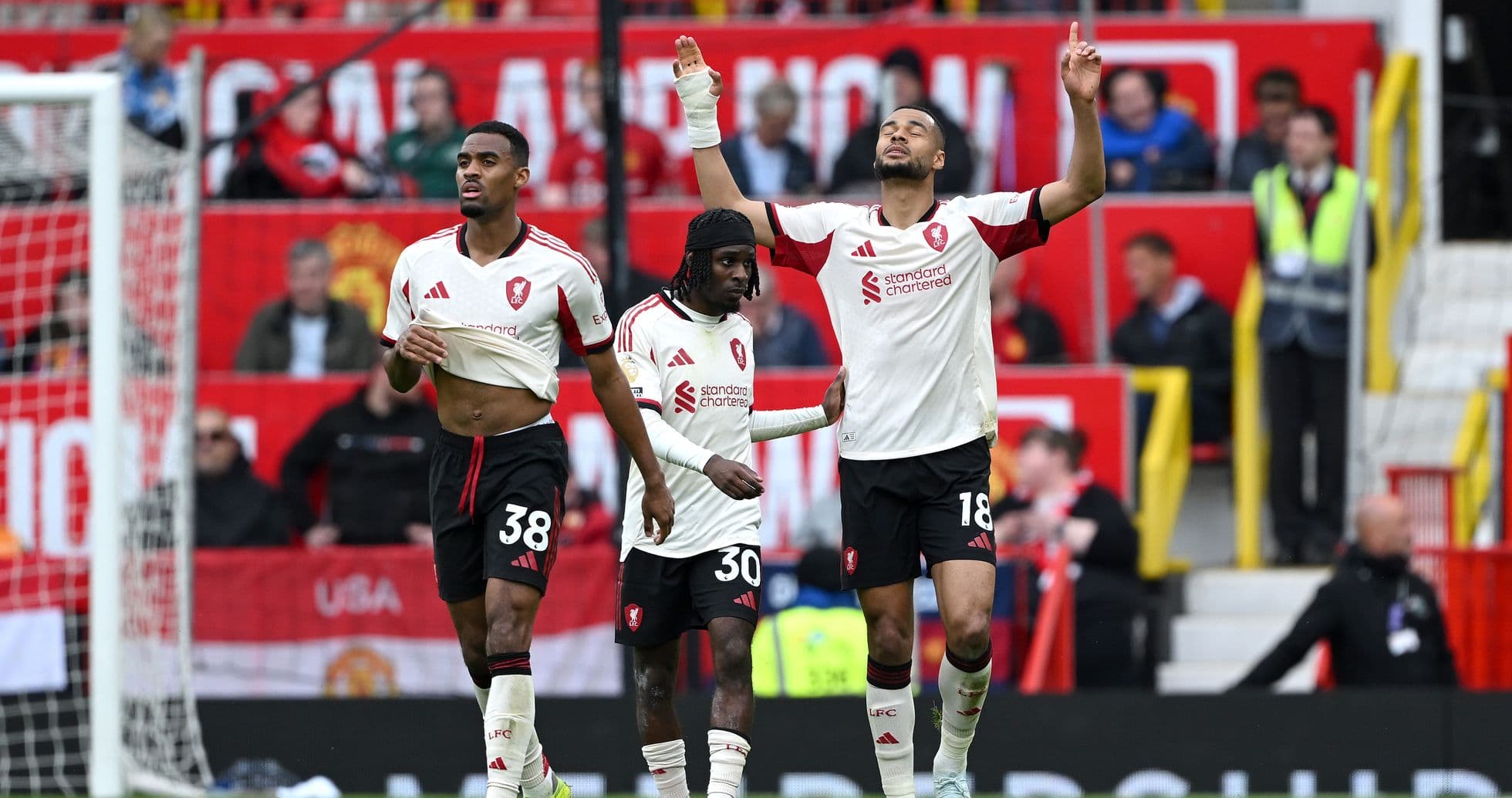
In the 6th minute, 17-year-old Rio Ngumoha slipped into space and picked out Ryan Gravenberch on the edge of the area. One touch to set, one to explode. Gravenberch’s right-footed strike arrowed into the top corner from outside the box, a ruthless finish that matched Liverpool’s intent. Anfield roared; Chelsea looked rattled.
All this without Mohamed Salah, still sidelined through injury, and with Hugo Ekitiké also unavailable. Slot’s options were stretched, but his system was not. Liverpool’s structure held, their aggression intact. The recent defeat to Manchester United FC had not dented their belief.
Chelsea Dig In and Hit Back
For a while, it looked like Chelsea might fold. They could barely get out. João Pedro and Cole Palmer, earmarked as the main outlets on the break, were starved of service, chasing shadows rather than space.
Then the tempo dipped, just a fraction. Liverpool eased off their relentless press, and Chelsea finally found a foothold.
Passes began to stick. The midfield, marshalled by Enzo Fernández, started to string moves together. Palmer drifted into pockets, João Pedro carried the ball with more purpose, and Liverpool’s back line suddenly had questions to answer rather than simply recycling possession.
The reward came in the 35th minute.
A free-kick in a promising area gave Chelsea the platform they needed. Liverpool, who had dominated the ball and the chances, switched off at the wrong moment. Chelsea didn’t. From the set piece, Fernández struck, hauling the visitors level and silencing Anfield’s swagger in an instant.
It was a goal that didn’t fit the pattern of the half, but it fit the pressure of Chelsea’s situation perfectly. Under siege, they had clung on and then punished a lapse.
A Comeback Within a Comeback
Beyond the scoreline, Chelsea had another reason to draw breath.
Levi Colwill, sidelined by a long-term knee injury, marked his first start of the season. For a defence that has leaked goals and confidence, his return offered something more valuable than any tactical tweak: a sense of stability, a reminder of what their back line is supposed to look like.
He was thrown straight into the fire, facing a Liverpool side chasing Champions League football, at a ground that feeds on defensive uncertainty. Yet his presence alone felt significant for a team desperate for anchors in a turbulent season.
An Open Second Act Awaits
By half-time, the match had reset itself. Liverpool’s early dominance, their blistering start, their control of the ball — all of it had been undercut by a single Chelsea set piece and a moment of quality from Fernández.
At 1–1, the table calculations hovered in the background, but the contest on the pitch had taken over. Liverpool still carried the initiative, still looked the more cohesive side, still had Szoboszlai pulling strings and the full-backs driving forward. Chelsea, though, had survived the storm and found a way back.
Anfield knew what was at stake. So did both dugouts.
With Champions League hopes on the line for Liverpool and Chelsea fighting to arrest a season-threatening slide, the second half promised something simple and unforgiving: who blinks next?