Lexington vs San Antonio: High-Stakes USL Championship Clash
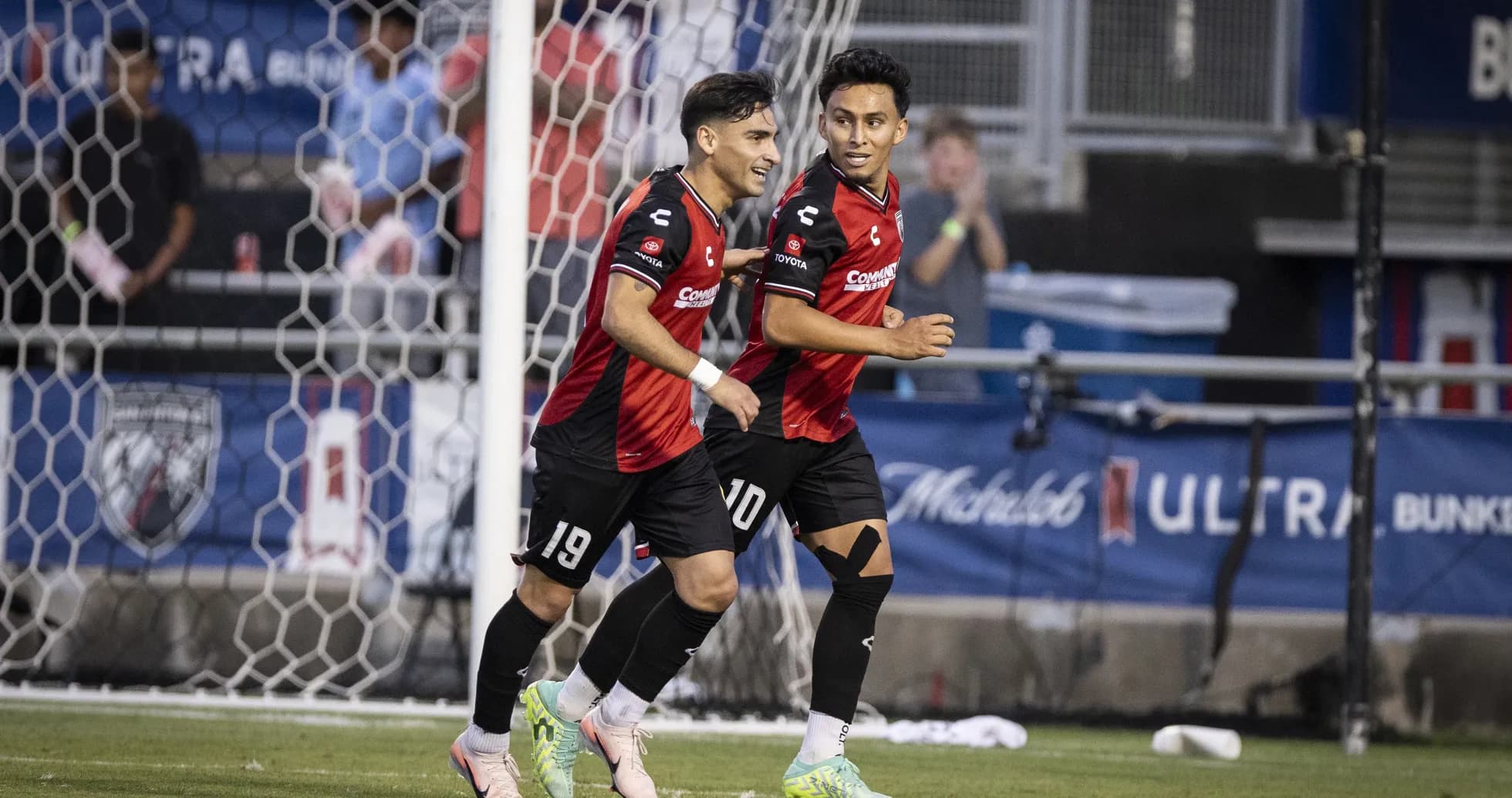
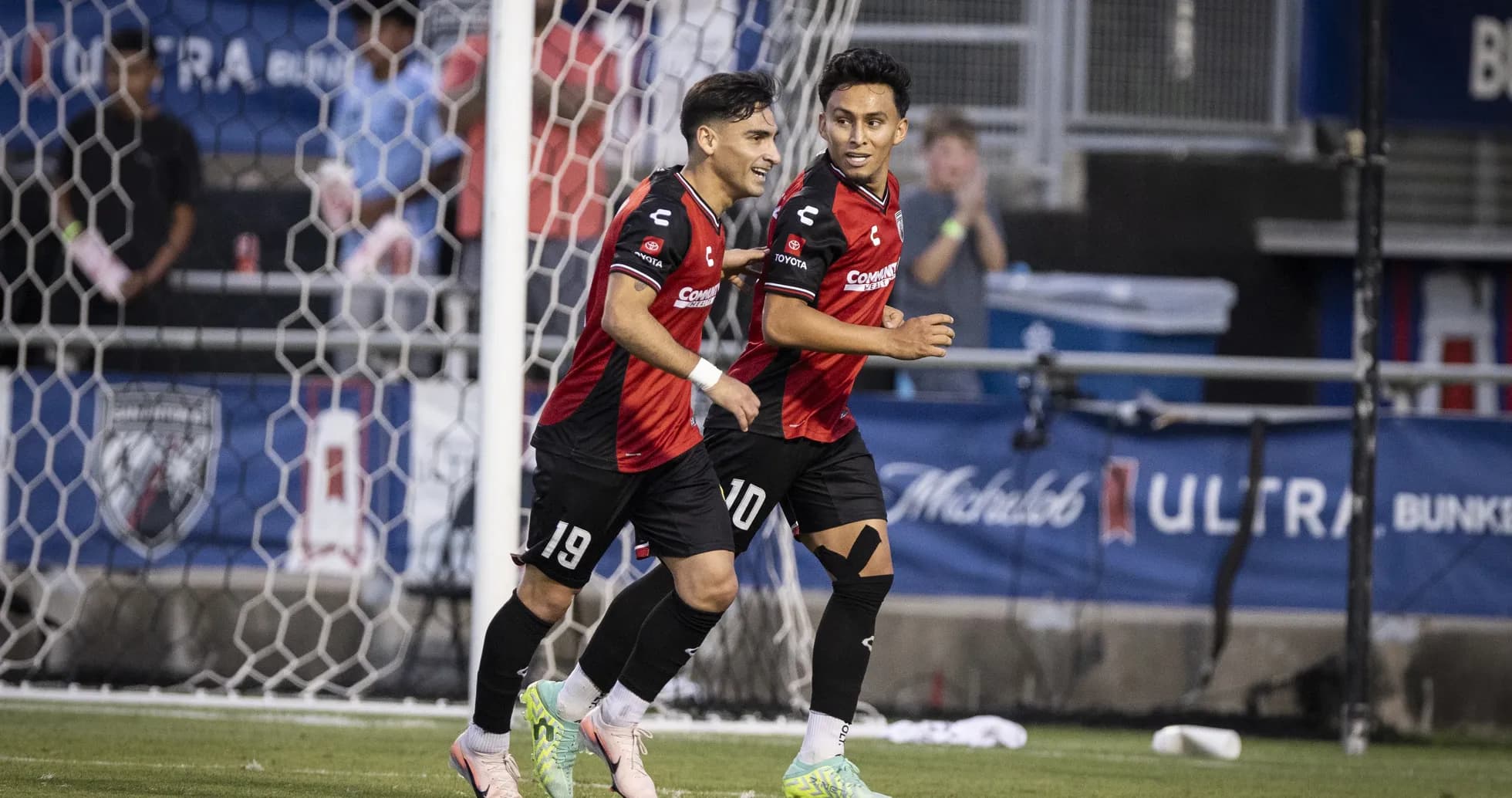
At Toyota Stadium, Lexington host league leaders San Antonio in a high-stakes USL Championship group-stage match that can reshape both ends of the table: Lexington sit 10th with 12 points from 11 games and a neutral goal difference (15 scored, 15 conceded in the league phase), while San Antonio arrive top with 21 points from 12 games and a +4 differential (18 for, 14 against in the league phase). For Lexington, this is a potential springboard toward the playoff positions; for San Antonio, it is a chance to consolidate first place and strengthen their path toward the USL Championship play-offs (1/8-finals).
Head-to-Head Tactical Summary
The recent head-to-head record is finely balanced and venue-dependent. On 29 March 2026 at Toyota Field, San Antonio beat Lexington 2-0 in the group stage, leading 1-0 at half-time and managing the game to a controlled 2-0 full-time win. In the 2025 campaign, the sides met twice: on 17 August 2025 at Toyota Field, Lexington won 1-0, having been 1-0 up at half-time and then protecting that advantage. Earlier, on 29 March 2025 at Toyota Stadium, San Antonio edged a 3-2 away victory after a 2-2 first half, showing they can score multiple times on the road but also concede. Overall, San Antonio have taken two wins (3-2 away, 2-0 home) and Lexington one (1-0 away), with all three games decided by a single goal margin or a tight two-goal cushion, indicating a matchup where small tactical swings decide the outcome.
Global Season Picture
- League Phase Performance:
Lexington: 10th place on 12 points from 11 games in the league phase (3 wins, 3 draws, 5 losses), with 15 goals for and 15 against, reflecting a balanced but not yet decisive profile. At home they have 2 wins, 1 draw, 2 losses, scoring 8 and conceding 6.
San Antonio: 1st place on 21 points from 12 games in the league phase (5 wins, 6 draws, 1 loss), with 18 goals for and 14 against. Their home form is dominant (4 wins, 2 draws, 0 losses, 10 scored, 5 conceded), while away they are more conservative (1 win, 4 draws, 1 loss, 8 scored, 9 conceded), often sharing points on the road. - Season Metrics:
Scope detection shows team statistics games played match the standings (11 vs 11 for Lexington, 12 vs 12 for San Antonio), so these numbers are also in the league phase.
Lexington: They average 1.4 goals scored and 1.4 conceded per match, underlining a mid-table, risk-balanced profile. Clean sheets stand at 3 from 11, and they have failed to score 3 times, suggesting inconsistency in chance conversion. Discipline is an issue: yellow cards are concentrated late (61–75 minutes: 5 cards, 76–90: 6), and they have already received 1 red card in the opening 15 minutes of a game, pointing to potential late-game fatigue and early emotional spikes.
San Antonio: They average 1.5 goals scored and 1.2 conceded per match, indicating a slightly more efficient attack and a marginally tighter defense than Lexington. With 5 clean sheets in 12 matches and 4 games without scoring, their profile is compact and controlled, occasionally sacrificing attacking risk. Their yellow cards also cluster in the second half (61–75 minutes: 8, 76–90: 7), but without any red cards, reflecting controlled aggression and better game management. - Form Trajectory:
Lexington: The form string "LDWLDLDLWLW" in the league phase shows pronounced inconsistency: they have not built a winning streak longer than a single match, with wins always followed quickly by defeats or draws. This stop-start pattern keeps them anchored in mid-lower positions and makes this fixture an opportunity to finally string back-to-back positive results together.
San Antonio: Their form "WDWWDLDWDDWD" in the league phase is that of a robust leader: only one loss across 12 games, with multiple short winning bursts and a high draw count. They are hard to beat, but their habit of drawing, especially away, leaves the door open for chasers if they drop points again here.
Tactical Efficiency
Without explicit numeric Attack/Defense Index values from the comparison block, we infer efficiency through the available league-phase statistics.
San Antonio’s attacking efficiency is slightly superior: 18 goals in 12 games (1.5 per match) versus Lexington’s 15 in 11 (1.4 per match). San Antonio also show a higher ceiling in their biggest wins (up to 3 goals scored at home and 4 away) and have managed a 2-3 away win as their standout offensive display, indicating they can produce on the road when needed. Defensively, San Antonio again hold an edge: 14 conceded in 12 (1.2 per game) compared with Lexington’s 15 in 11 (1.4 per game). Combined with 5 clean sheets against Lexington’s 3, San Antonio’s defense is more reliable and better aligned with a promotion-contending side.
Lexington’s profile is more volatile. Their biggest home win is 3-0, showing they can dominate, but their heaviest home loss is 1-3 and away 3-1, pointing to vulnerability once the game becomes stretched. Card data suggests late-game discipline problems, which can erode defensive efficiency in closing phases. San Antonio, by contrast, pair a solid defensive record with relatively disciplined play (no reds, yellow distribution similar but better controlled), aligning with a team whose Attack/Defense balance is optimized for accumulating points, even if that means more draws away.
The Verdict: Seasonal Impact
For Lexington, a positive result here would be season-defining. Beating or even drawing with the league leaders at Toyota Stadium would push them closer to the congested mid-table and keep a realistic pathway open toward the play-off positions later in 2026. It would also break their pattern of one-off wins and could serve as a psychological pivot, proving they can match top-tier opposition and stabilizing a record that currently sits at 3 wins, 3 draws, 5 losses in the league phase.
For San Antonio, this match is about consolidating control over the title and promotion race. With only 1 loss and already positioned 1st on 21 points in the league phase, a win would both maintain or extend their lead and offset the risk created by their many draws, especially away from home. Dropped points here, particularly a loss, would invite pressure from chasing teams and reinforce the narrative that they are more vulnerable on the road, potentially turning the run-in into a tighter contest than their underlying performance suggests.
In forward-looking terms, this fixture is a leverage point: Lexington can transform an inconsistent campaign into a credible push toward the upper half with a statement result, while San Antonio can convert a solid, draw-heavy start into a commanding platform for the USL Championship play-offs (1/8-finals). The seasonal impact is therefore asymmetrical but significant for both: Lexington fight to stay in the conversation; San Antonio aim to stay in control of it.