Kendry Páez's Journey: From Phenomenon to Chelsea Academy Player
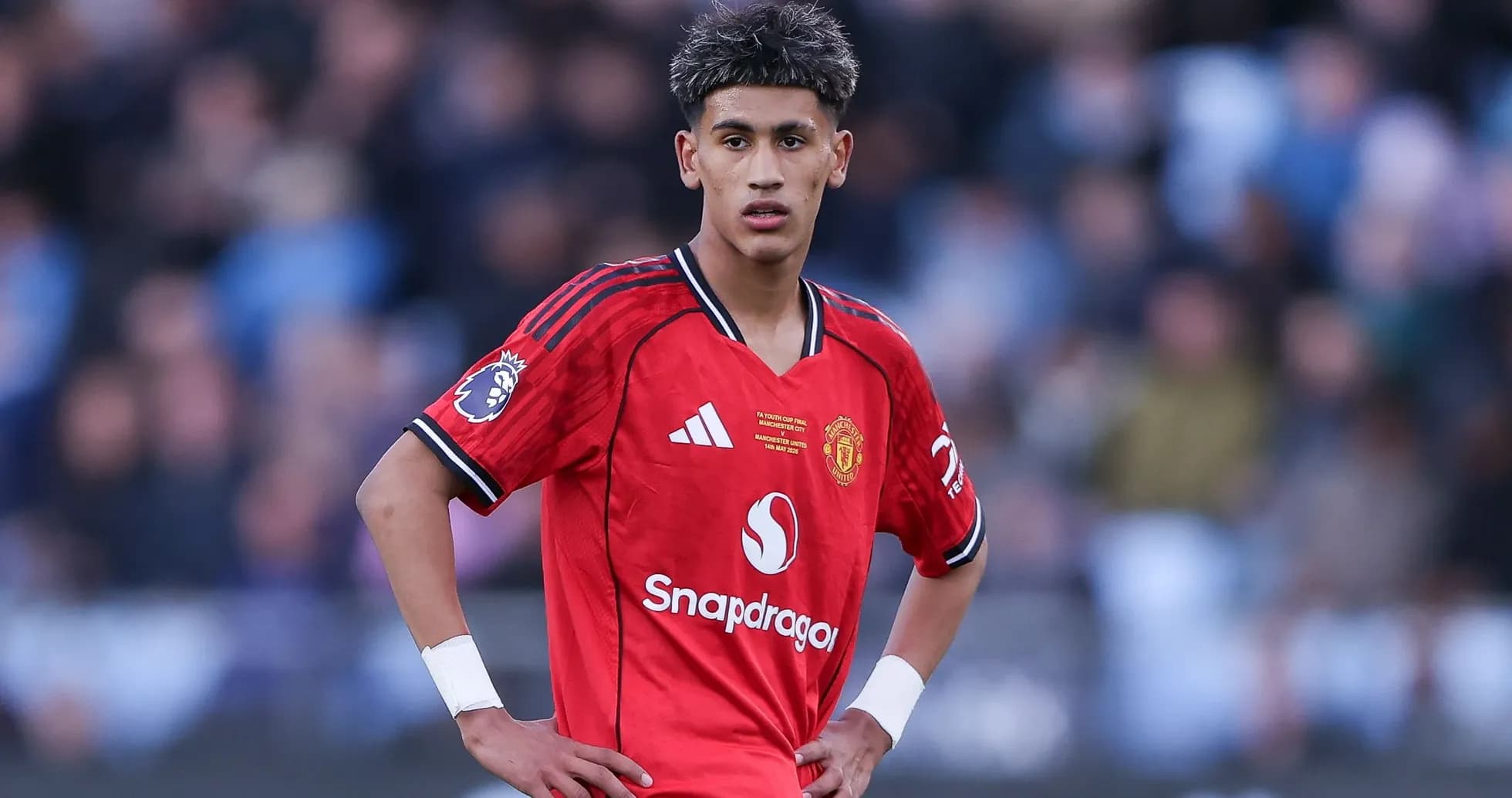
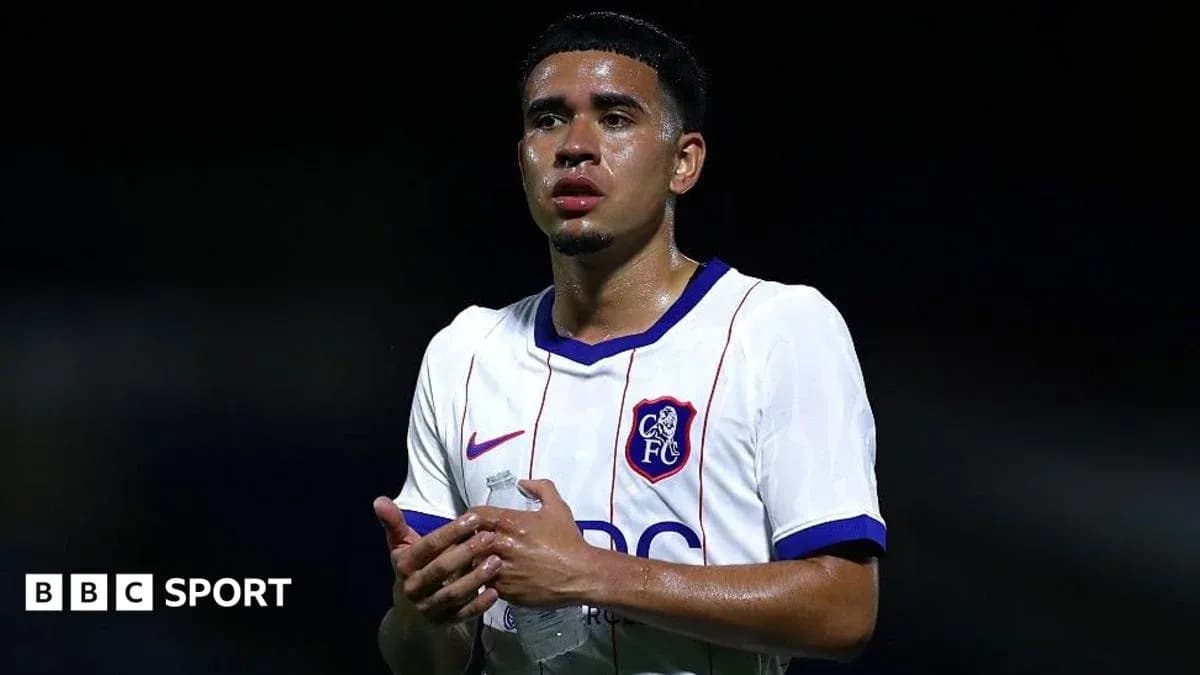
Kendry Páez finally pulled on a Chelsea shirt at the weekend. Not under the Stamford Bridge lights, not to the roar of a full Shed End. For Cobham Next Gen away at Arsenal, 12 minutes into an Under-21 game.
Three years after Chelsea agreed a £17.27m deal with Independiente del Valle, the Ecuadorian playmaker has arrived in blue in the most low-key way imaginable. A 19-year-old substitute in a 4-1 win at Meadow Park, filed under academy football rather than marquee signing.
From record breaker to reality check
Páez did not come to Europe as a mystery. He came as a phenomenon.
At 15, he became the youngest debutant and goalscorer in Ecuador’s top flight. He stepped into the Copa Libertadores that same season. By 16 years and 131 days, he was playing his second game for Ecuador, becoming the second-youngest South American to feature in World Cup qualifying after Diego Maradona. A month later, he scored in a 2-1 win away to Bolivia, the youngest South American ever to net in a World Cup qualifier.
By the time Chelsea struck the agreement in 2023, Páez already had 18 caps and two international goals. They were convinced they were buying the next great South American attacking talent, a player to sit alongside Estevao Willian as the face of their long-term project.
Chelsea rolled out the red carpet early. Before he could officially join after his 18th birthday, they regularly brought him into first-team training. When violence flared in Ecuador in early 2024, the club helped provide security for Páez, his family and the family of international team-mate Moisés Caicedo.
The plan looked clear. The pathway, too. Then life intervened.
Loans, criticism and a stalled rise
The first warning signs did not come on the pitch.
A few months after Chelsea’s security intervention, Páez was filmed in a New York strip club while away on international duty. It did not derail his career on its own, but it added to a growing sense that the teenager’s life was moving faster than his football.
His loan to Strasbourg, part of the multi-club web under shared ownership, started brightly. He took the Young Player of the Month award in Ligue 1 in September and looked like another Chelsea prospect using France as a launchpad.
The momentum did not last.
Manager Liam Rosenior grew increasingly demanding in public. “We expect more, clearly,” he said later in the season. “I’m tired of using the excuse of the player’s youth.” The words cut through the usual protection given to teenagers. By the time the loan ended, Páez had one goal in 21 appearances. Strasbourg and Chelsea agreed to cut it short.
Next came River Plate. A giant of South American football, a two-year loan, a chance to reset closer to home. Instead, the same doubts followed him across the continent.
Sources in Argentina raised questions about his attitude. They pointed to a poor display in the Superclásico, a 1-0 defeat to Boca Juniors at the Monumental in April, as a symbol of his struggle to impose himself on the biggest stage. Soon after, club president Stefano Di Carlo named Páez among 15 players training away from the first team. Others around the club argued he had not been given enough chances, but the outcome was the same.
One goal, 14 appearances, 461 minutes. Another loan ended by mutual consent.
Ecuador’s hope, Chelsea’s puzzle
Back home, the concern has been louder than the criticism.
With 27 caps and a World Cup appearance at 19, Páez has been held up as the future of Ecuador’s attack. Now that future feels uncertain. Michel Deller, the owner of Independiente del Valle, did not hide his emotion when speaking to Hincha Amarillo.
“He’s like a son to us. We care about him deeply,” Deller said. “He’s a good kid who’s had a tough time and has made decisions that have complicated his life.
“We are always hopeful he’ll show his exceptional talent once again but right now, it’s up to him to decide what to do with his life.”
Chelsea and those close to Páez do not dismiss the concerns. They just believe the narrative has run ahead of the reality. In their eyes, the issues have been amplified, the mistakes dragged into a spotlight that rarely shines this harshly on teenagers. They argue he needs time – as a player, and as a person.
Yet the club’s stance under new manager Xabi Alonso has been blunt. The Spaniard has already said Páez is “not in my plans”. On the official website, Chelsea list him as an academy player. For a teenager once earmarked as a first-team star, the message is clear.
Chelsea tried to find him a loan in English football this summer, a fresh start in a league where they could watch him closely. Fifa rules blocked it. The club had already used all six of their permitted international loan slots, leaving them unable to send Páez abroad again.
So the prodigy who once lit up World Cup qualifiers now finds himself in the rebranded Cobham Next Gen, fighting for minutes in front of a few hundred fans.
A quiet night, a late reminder
At Wycombe in the EFL Trophy, Páez cut a lonely figure before kick-off. Spanish-speaking, recently returned, he stood slightly apart from his new team-mates. He joined the warm-up, but mostly kept to himself.
For an hour, he watched from the bench. Then came the 62nd minute and another quiet introduction in a right-sided No 10 role, mirroring the shape Alonso uses with the first team and the position Cole Palmer occupies.
For long stretches, he barely influenced the game. Chelsea lost, and for most of his time on the pitch, Páez was a peripheral figure.
Then, in stoppage time, the talent flickered.
From a short corner, he whipped in an outswinging cross that Harrison Bettoni tapped home. Moments later, another delivery from the right caused chaos as Chelsea chased an equaliser in front of just 778 spectators. It was a small contribution in a minor competition, but inside the club, they took it as something more: evidence that the player they scouted so aggressively is still there.
That cameo fed into Saturday’s step at Arsenal, where he came on after 12 minutes and at least began to feel like a Chelsea player in Chelsea colours at last.
A career still salvageable
For all the noise, Páez’s career is not a wreckage. Not yet.
He is not Chelsea’s youngest player, but he has already played 70 times for Independiente del Valle and passed 100 senior appearances overall. That is an extraordinary workload for a teenager. It gives him a base of experience that many academy peers lack.
Back at Cobham, Chelsea see a different side to him. They have been encouraged by his attitude, by the way he has settled into a stable, elite environment. His family have been present at recent matches, another layer of support around a player who has lived under scrutiny since he was 15.
The club can now track every training session, every minute on the pitch. Scouts from across the English Football League and beyond routinely attend academy games at Cobham. If Páez strings together performances, doors will open.
There is growing optimism within his camp that he can earn a first loan in England in January. If that does not materialise, Chelsea expect at least one of their six international loan slots to free up, allowing him another move abroad.
The stakes are obvious. The talent that once made him one of the most coveted youngsters in South America has not disappeared. It has just been buried under expectation, missteps and the brutal speed of elite football.
Now, in front of a few hundred people and under the quiet skies of academy grounds, Kendry Páez has to answer the only question that really matters: can he turn all those early headlines back into a career?