
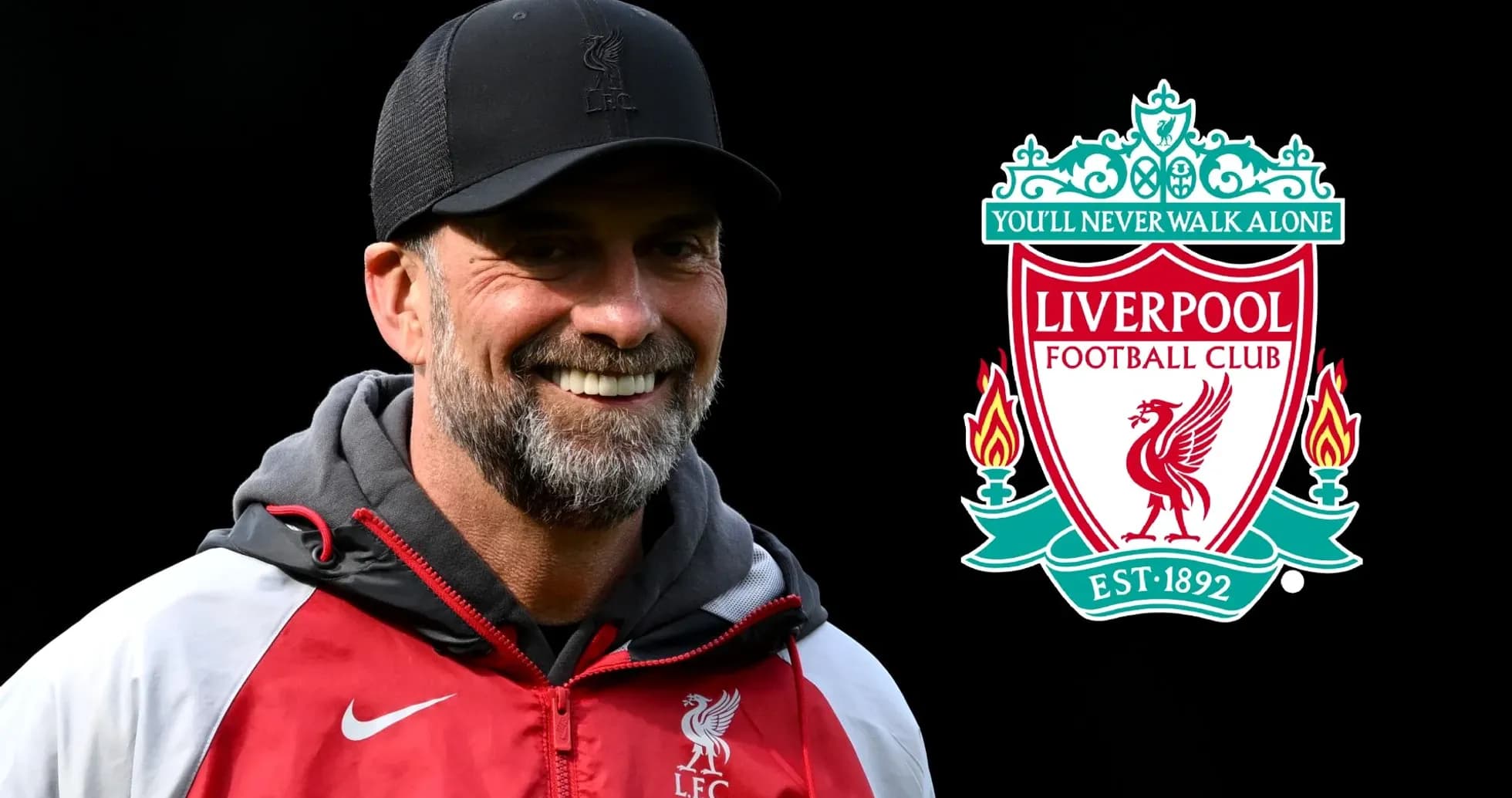
Jurgen Klopp: The Future of His Football Career After Liverpool
Jurgen Klopp’s name has never really left Anfield. It just echoes a little differently now.
Since walking away from Liverpool in 2024, cutting short his contract to escape the grind of elite management, Klopp has slipped into a different kind of football life. As Global Head of Soccer for Red Bull, the 58-year-old has traded touchline frenzy for a more detached, strategic role. No dugout, no fourth official in his face, no late‑night debriefs after midweek away days.
And crucially, no public sign that he is itching to go back.
Yet the game refuses to let him rest.
Klopp the missing piece – or the risk?
The theory is simple enough: give him two years, let the batteries recharge, then tempt him back with something he cannot refuse. Reports suggest that, if the right offer lands on the table, Klopp might be persuaded to end his planned hiatus earlier than expected.
His name has already been floated in connection with Real Madrid, who are expected to look for a long-term successor to Xabi Alonso. At the same time, the conversation keeps circling back to Liverpool and the man who followed him.
Arne Slot, fresh from delivering the Premier League title in his first season, now faces the unforgiving reality of life after a miracle. If Liverpool were to miss out on Champions League qualification just 12 months after that triumph, the questions would come fast. One of them, inevitably: is Klopp an option?
Emile Heskey doesn’t like that idea at all.
Speaking to GOAL in association with Freespins.us, the former Liverpool striker cut straight to the point: returning to Anfield, he argued, would be “a risk to his legacy”.
“I think if he really wants to get back into it, he'd probably look to go somewhere else,” Heskey said. “Why risk that? It would always be a shadow over every manager. We've seen it down the road with Sir Alex [Ferguson] at Manchester United. How long ago was that? Over 10 years. That's still a shadow hanging over them.”
For Heskey, the issue is not romance, it’s reality. Whoever manages Liverpool must shape the squad in his own image, not live permanently in Klopp’s.
“The manager has to figure out how to get the best out of his players in the formation that he wants and it fits the way Liverpool are,” he added. The subtext is clear: going back to Klopp would be an admission that the club cannot move on.
Slot, the board and the Klopp question
Stan Collymore, another former Liverpool striker, is equally sceptical that the story ends with Klopp walking back through the Shankly Gates in 2026.
He has already laid out the only scenario he believes could force Liverpool’s hand. Speaking to GOAL, Collymore said a reunion would require an unmistakable signal from Klopp himself.
“Unless it was a case of, in the summer, Jurgen Klopp says ‘I’m coming back to football and Liverpool is the only club for me’ - which would undoubtedly prick the ears of the Liverpool board,” Collymore explained.
There is a crucial second line to that thought.
“If he said ‘I’m coming back but I want a new challenge’, I don’t think the Liverpool hierarchy would go chasing for him. I think they would give Arne Slot the opportunity to be able to get it right, because he has won the league in his first season.”
That is the tension at the heart of the debate. Klopp is Liverpool’s great modern architect, but Slot has already delivered the one thing that matters most: a title. Tear that up too quickly and you undermine not just the man in the dugout, but the entire project.
“You can never say never”
Not everyone is ready to close the door.
Gary McAllister, a cult hero at Anfield and a man who understands the emotional fabric of the club, refuses to rule out the possibility of Klopp coming back.
“You can never say never on things like that,” he told GOAL.
McAllister watched Klopp long before the German ever set foot on Merseyside. He saw the bond with the Yellow Wall at Borussia Dortmund, the way Klopp and the city fed off each other.
“When I watched him when he was managing Dortmund, the rapport with the Yellow Wall and how it's a big industrial city, Dortmund, and he was just custom made for that type of job - the city he was in, the fans he was working for, and the fans he was trying to please,” McAllister said.
“Then you roll the years forward and he comes to Liverpool and again, it's the perfect storm. Again, for me, you've got a charismatic leader, somebody with a very massive personality, feels the same way as the Kop. Again, very similar to the Yellow Wall at Dortmund.”
That, in McAllister’s eyes, is what makes the idea of a return both irresistible and fraught.
“For me, it's always very difficult to go back to somewhere where you’ve been unbelievably successful. But you can never say never. It's a crazy game and it's getting crazier as we speak. But for me, I think the game in general misses Jurgen Klopp.”
The pull of the grass
Klopp’s current role gives him something managers rarely get: time. Time with family, time away from the relentless noise. The pressure is different, the spotlight softer.
“He's obviously got the ability to spend more time with family and stuff, because you know how demanding management is,” McAllister said. “So the job that he's in at the moment, I'm assuming it gives him more time to be with family.”
Yet anyone who has spent a lifetime inside the game knows how this usually ends.
“But people who are involved in football just love being on the grass at a training ground,” McAllister added. “I'd like to see him back wherever it is, because I think the game in general has missed him.”
And that is the crux of it. Whether it is Madrid, Liverpool, or somewhere completely different, the sport feels slightly diminished without Klopp prowling a technical area, windmilling his arms at the crowd, dragging players and fans into the same emotional storm.
The clock on his sabbatical keeps ticking. The offers, when they come, will not be quiet. When Klopp finally decides the grass is calling again, which crest will be on the tracksuit?



