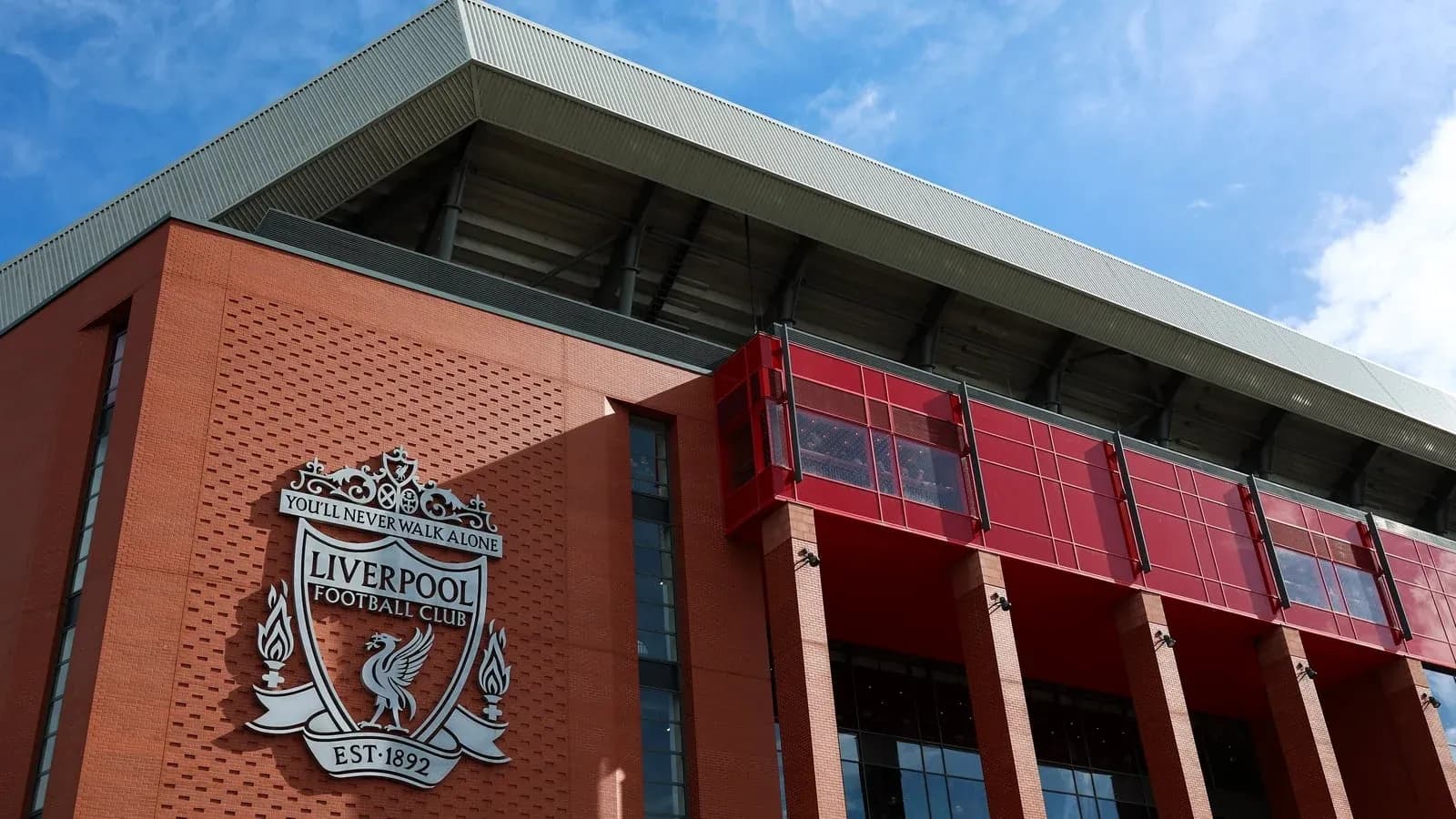
Jeff Bezos Consortium Acquires 38% Stake in Liverpool
Jeff Bezos’ consortium has taken a bigger bite out of Liverpool than first thought, with the group of billionaires now revealed to own a 38% stake in the club.
Early briefings suggested the investment sat “in the range of 30%”. That figure was shy of the mark. The true number is understood to be closer to 40%, underlining the scale of the deal that has reshaped Liverpool’s ownership landscape without dislodging Fenway Sports Group from the top.
A door left ajar on a full takeover
Within the agreement sits a significant clause. 1892 Holdings – the vehicle led by British-Indian businessman Amit Bhatia – has an option to buy a controlling stake in Liverpool over the next 12 months. It is a possibility, not a promise. There is no binding commitment that Bhatia and his partners will push for full control, only the contractual freedom to do so if all sides choose.
When the deal was announced last week, those close to the talks were keen to cool any talk of an inevitable takeover. The documents, they stressed, are designed to give flexibility as the relationship develops, not to map out a pre-agreed route to a future sale.
FSG not selling out, but buying in heavyweight partners
Fenway Sports Group did not go hunting for cash out of financial distress. This was about opportunity. The chance to bring in Bhatia, Amazon founder Jeff Bezos – part of the K5 Sports group – and Facebook co-founder Eduardo Saverin was viewed inside Anfield as a strategic upgrade rather than a rescue package.
K5 Sports will be represented on an expanded Liverpool board by Bryan Baum. Saverin’s wife, Elaine, will also take a seat at the table. Bhatia, the son-in-law of Indian steel magnate Lakshmi Mittal and a former co-owner of QPR, has been FSG’s key counterpart throughout negotiations and will step into a powerful role as Liverpool’s new vice-chairman.
The investment pegs Liverpool’s overall valuation between five and six billion US dollars, placing the club firmly among the most valuable sporting institutions on the planet.
Transfers stay in football hands
For supporters, the immediate question jumps straight to the pitch: what does this mean for the transfer window?
For now, not much. The new money does not alter Liverpool’s transfer strategy for the remainder of this window and does not rip up the budget already in place. The club’s sporting structure will continue to call the shots, with football and financial decisions still driven by Liverpool’s existing sporting operation rather than by the new investors.
The boardroom has changed shape. The power over who pulls on the shirt, Liverpool insist, has not.