Jack Grealish's Future at Manchester City: A Legacy Asset?
Jack Grealish’s Manchester City story is drifting towards an ending that once felt unthinkable.
The player who danced through a treble-winning season is now being spoken about as a “legacy asset” at the Etihad, a reminder of what City were rather than what Pep Guardiola wants them to be. At 30, with younger, sharper wide forwards being lined up, Grealish suddenly looks like yesterday’s solution in a squad obsessed with tomorrow.
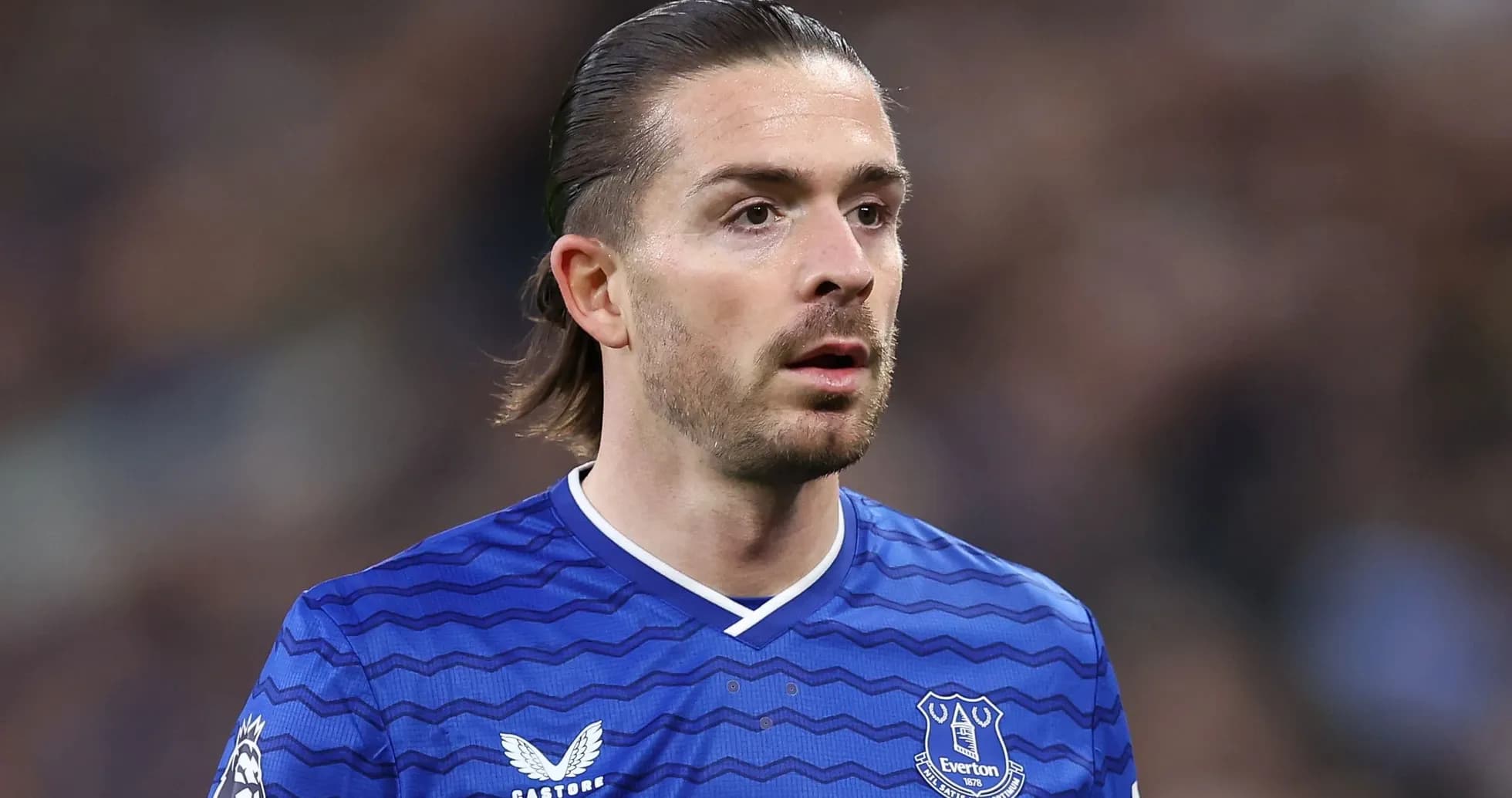
His loan to Everton last summer was meant to reset the narrative. More minutes, more responsibility, a chance to remind the division why he once carried Aston Villa on his back. Instead, it turned into a dead end. A stress fracture in his foot in February, surgery, and a season cut short. The one thing he needed most – rhythm – vanished.
That injury now hangs over every conversation about his future. City would like to move him on; the market, as it stands, doesn’t look eager to play along.
A shrinking Premier League market
Inside the Premier League, the options are thinning out. It’s not about whether Grealish can still trap a ball under pressure or glide past a man. Technically, he remains high-end. The problem lies in the numbers.
At his age, with his wage packet, he sits in a difficult bracket. The so-called Big Six are increasingly chasing younger, more explosive profiles. Clubs outside that group, even those ambitious enough to dream, struggle to justify the total outlay required: fee, salary, bonuses, the whole lot.
Chris Waddle, speaking to BetVictor, didn’t bother dressing it up.
“He’s 30 now so Jack Grealish will be looking for a new contract elsewhere, I'm sure, because Man City are moving on,” Waddle said. “His days at Man City, let's be honest, are over. They're just hoping that somebody might take him.”
That is the brutal reality. City, one of the most powerful clubs in world football, may have to accept a cut-price exit or even a free transfer simply to clear space on the wage bill.
“To get rid of him, they're going to probably have to give him a free transfer, or it would be a very low price to get him off the wage bill,” Waddle added. “He's on a lot of money. Is he really that good of a player to command that wage or a transfer fee to another Premier League club? Probably not.”
It’s a harsh assessment of a player who, at his peak, was one of the most watchable footballers in the country. But it captures the cold arithmetic facing both club and player.
Grealish, Waddle suggested, is likely aware of the situation. “It's a funny situation for Jack Grealish. He's probably thinking, I've got another year at City, I think. They'll be looking to cash in this summer. They may take a deal just to get some money in, but it's getting him off that wage, which will be a big wage if it's Man City.”
So where does that leave him?
Second tier reality, Hollywood fantasy
Strip away the emotion and one path looks increasingly logical: the Championship.
Waddle believes a move to a second-tier side could be Grealish’s best route if he wants to stay in England and play regularly. It would mean a sharp step down from Champions League nights and title parades, but it might be the level where a club can build around him again, where he can be the main act rather than a supporting role.
Yet it’s another Championship possibility that grabs the headlines.
Wrexham.
Under Ryan Reynolds and Rob McElhenney, the Welsh club have become a global story. Cameras, documentaries, worldwide fanbase – and a taste for big, attention-grabbing moves. On paper, the idea of Grealish in a Wrexham shirt feels like something written in a Hollywood script room: the fallen superstar, the rising club, the cameras rolling.
Waddle floated the idea with a knowing nod to the spectacle it would create.
“What about if a team like Wrexham get promoted? He's the sort of name Wrexham would look at, wouldn't he?” he said. “But whether they could afford him, I'm not sure. Wrexham would get hit quite heavily with Financial Fair Play coming in and the size of your crowds and what you earn. But, yeah, that would be a good story.”
And that’s the catch. The story is seductive. The regulations are not. Financial Fair Play doesn’t care for narratives, only numbers. Wrexham’s income, stadium size and commercial reach, even with the Hollywood bump, place hard limits on what they can realistically spend on a marquee name with Premier League wages.
So the fantasy collides with the balance sheet. For now, at least.
A career at a crossroads
Behind all the speculation sits a simple question: what does Grealish want from the next two or three years?
He has lifted the biggest trophies, played under one of the greatest managers of his generation and worn the England shirt at major tournaments. The medal collection is there. The bank balance is healthy. The next move is less about status and more about satisfaction.
“Jack's got to look and say his time at Man City is basically done, and he's got to find a club where he's going to enjoy his football for the next two or three years,” Waddle concluded.
Enjoy his football. Not just survive in a squad. Not just collect appearances off the bench.
That might mean swallowing pride, dropping a level, or stepping into a project that values his personality as much as his passing. It might mean a bold, left-field move abroad. Or, if the numbers can somehow be bent into shape, it could mean becoming the face of a club on the rise rather than a fading name in a team already planning its next era.
What’s clear is that the comfortable middle ground has disappeared. The next decision will define how Jack Grealish is remembered: as a brief, bright spark in a superteam, or as a player who dared to rewrite the final act of his own story.