Iran Sets Conditions for 2026 World Cup Participation
The Iranian football federation has thrown down a gauntlet ahead of the 2026 World Cup, declaring that Team Melli will travel to North America only if a strict set of political and logistical conditions are met by the joint hosts: the United States, Mexico and Canada.
This is no routine pre-tournament wrangle. It comes against the backdrop of heightened geopolitical tension and a regional conflict that has already seeped into sport’s biggest stage.
On its official website, the FFIRI set the tone in blunt terms: Iran intends to be at the World Cup, but not at the cost of its identity. “We will definitely participate in the 2026 World Cup, but the hosts must take our concerns into account. We will participate in the World Cup tournament, but without any retreat from our beliefs, culture, and convictions,” the statement read.
Ten Conditions, One Message
FFIRI President Mehdi Taj then moved from principle to detail. Speaking on state television, he laid out 10 specific conditions that, in Tehran’s view, must be satisfied before the national team boards a plane for North America.
The demands range from the practical to the symbolic. At their core: guaranteed visas, clear respect for Iran’s delegation and national symbols, and robust security throughout the tournament.
Taj highlighted the basics first. Every member of the squad and staff must be granted entry. The federation wants assurances that the team’s flag and national anthem will be fully respected at all venues, without incident or interference. Around that, it is demanding high-level security at airports, hotels and on the routes to and from stadiums in each host city.
The emphasis is unmistakable. Iran wants its players and officials to move freely and safely for the duration of their stay, with no repeat of recent diplomatic flashpoints.
Visa Flashpoint and IRGC Issue
One case in particular has sharpened Iran’s stance. Canada recently refused entry to the federation’s chief over alleged links to the Islamic Revolutionary Guard Corps (IRGC). In Tehran, that decision was seen not as an isolated call but as a worrying precedent.
The federation now wants written clarity that professional footballers who have completed mandatory military service, including those with IRGC ties, will not be punished for it during visa checks.
Taj did not speak in generalities. He named names.
“All players and technical staff, especially those who have served their military service in the Islamic Revolutionary Guard Corps or IRGC, such as Mehdi Taremi and Ehsan Hajsafi, should be granted visas without any problems,” he said.
That line goes to the heart of the dispute. Iran is not only protecting its stars; it is testing how far politics will reach into the dressing room.
FIFA Holds Its Line
While Tehran raises the stakes, FIFA has kept its public position steady. President Gianni Infantino has insisted that the tournament schedule will go ahead as planned, with the governing body expecting all qualified nations to fulfil their fixtures regardless of the surrounding political climate.
FIFA is working on the usual logistical challenges that come with a three-nation World Cup, but there has been no hint of flexibility on the basic requirement: if you qualify, you play.
So the standoff is clear. Iran is tying its participation to a set of conditions that cut across domestic security and immigration policies in the host nations. FIFA, for now, is treating the World Cup as business as usual.
Group G Awaits
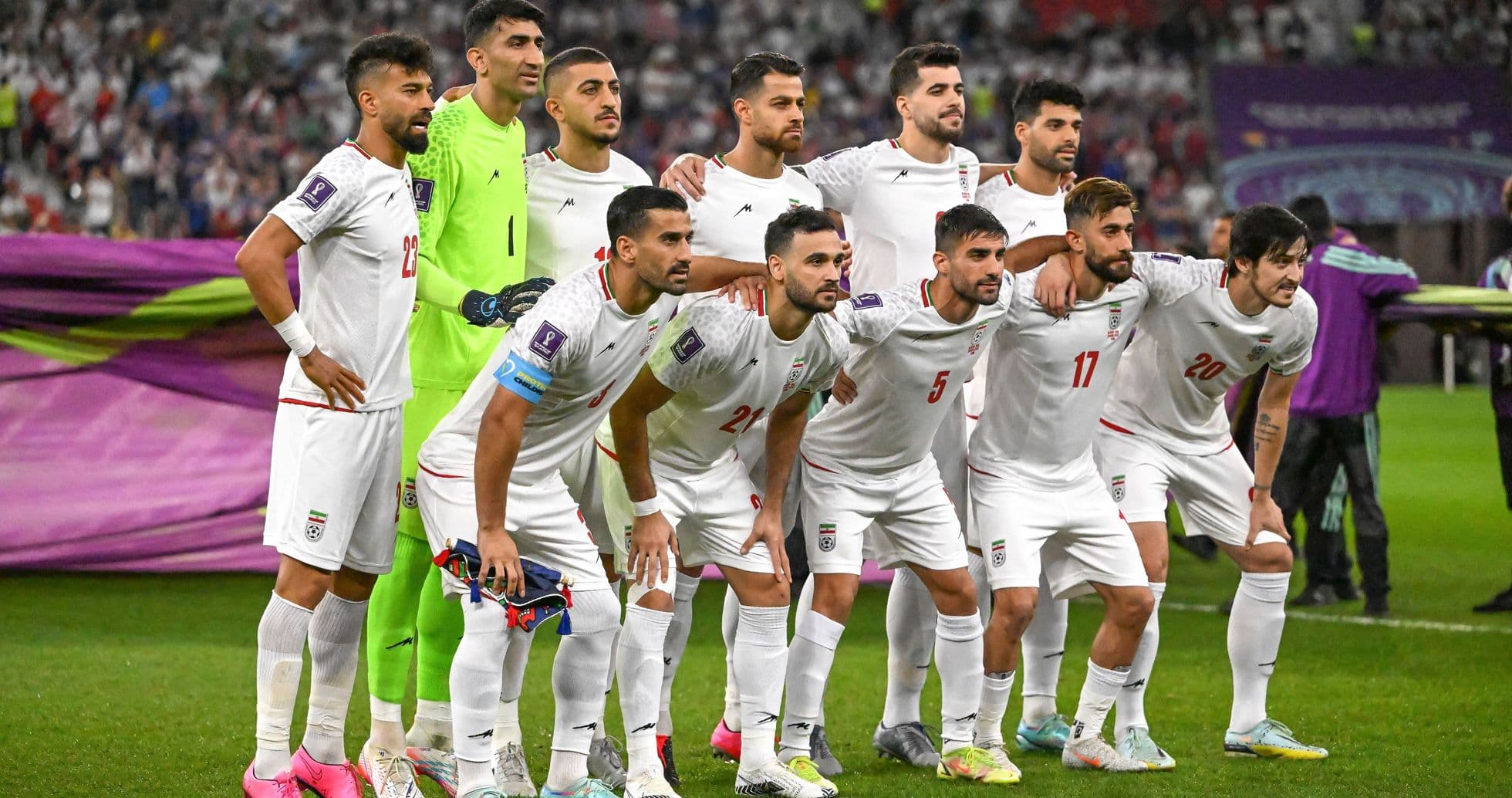
On the pitch, the story is far simpler. Iran are slated to be based in Tucson, Arizona, for the tournament and have been drawn into Group G alongside New Zealand, Belgium and Egypt.
It is a group with its own intrigue: European pedigree in Belgium, African steel in Egypt, and a New Zealand side eager to disrupt expectations. Iran’s campaign is scheduled to begin against New Zealand in Los Angeles on June 15.
If the federation’s demands are met, Team Melli will walk out at a packed stadium in LA with their anthem playing and their flag flying, ready to test themselves against the world again.
If not, Group G could lose one of its central protagonists before a ball is even kicked.