Inter Dismantles Lazio 3-0: A Tactical Overview
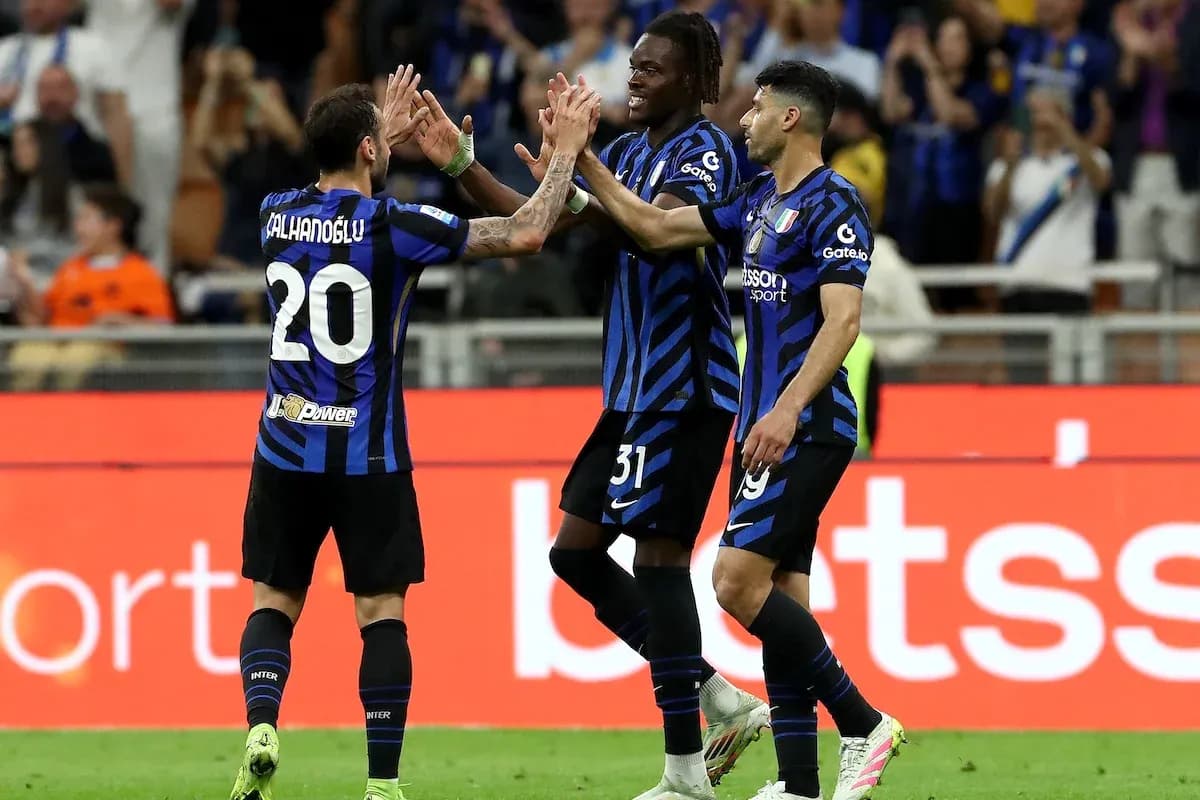
The Stadio Olimpico watched a lesson in control unfold. Following this result, league‑leading Inter under Cristian Chivu underlined why they sit 1st in Serie A with 85 points and a towering overall goal difference of 54 (85 scored, 31 conceded), dismantling 8th‑placed Lazio 3‑0 and exposing the fault lines in Maurizio Sarri’s reshaped side.
I. The Big Picture – Structures and Season DNA
On paper, this was a clash of identities. Lazio, in their familiar 4‑3‑3, tried to lean on a possession‑based structure that has delivered an overall 1.1 goals scored per game and 1.0 conceded across 36 matches. At home they have been more expansive, averaging 1.4 goals scored and 1.3 conceded, but that ambition has always carried risk.
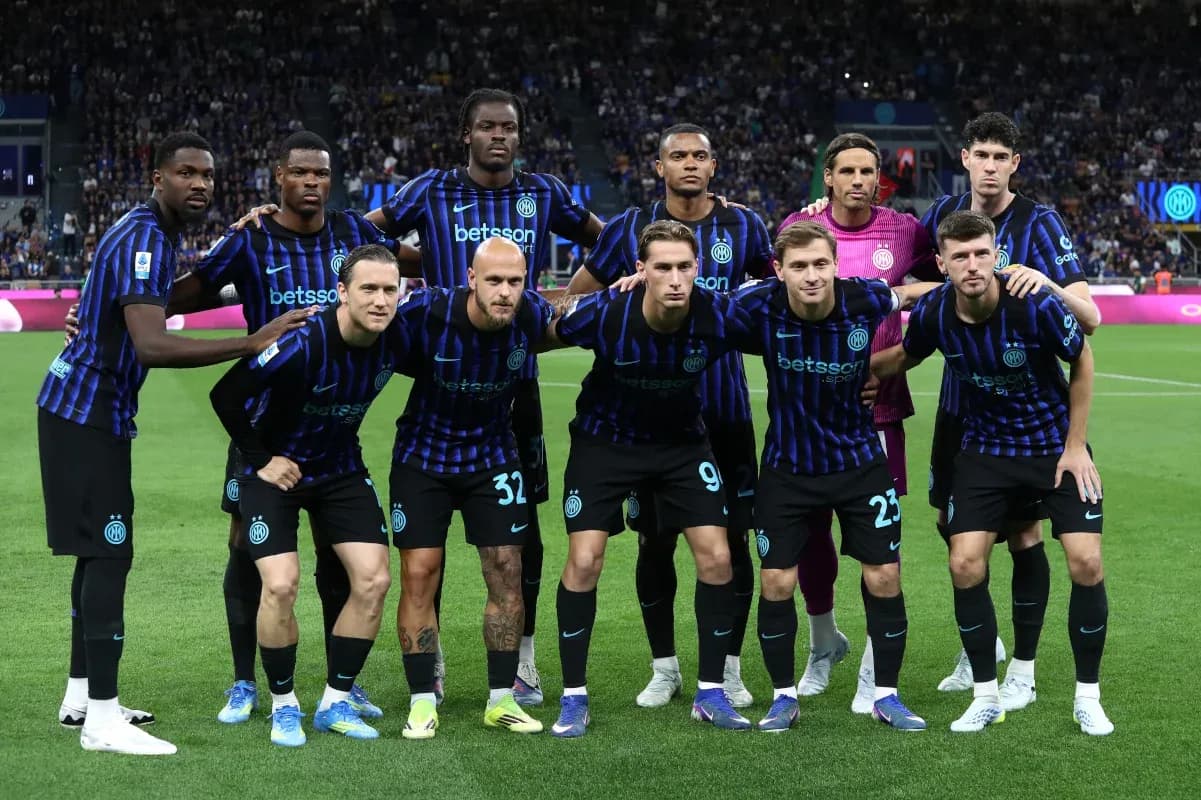
Inter arrived with the purest expression of their season’s blueprint: a 3‑5‑2 used in all 36 league fixtures. On their travels they average 2.0 goals scored and only 0.9 conceded, numbers that speak of a side comfortable playing 20 metres deeper, then slicing teams apart in transition. At the Olimpico, that pattern held: the back three of Alessandro Bastoni, Francesco Acerbi and Yann Bisseck formed a calm, sliding block behind a midfield that knew exactly when to suffocate and when to spring.
The scoreline mirrored the broader arc of the campaign. Lazio’s overall goal difference of 2 (39 for, 37 against) tells of a team forever walking a tightrope. Inter, by contrast, carry the swagger of a side that has scored in 34 of 36 matches and failed to hit the net only twice all season.
II. Tactical Voids – Absences and Discipline
Lazio’s line‑up was shaped as much by who was missing as who started. Ivan Provedel’s shoulder injury forced E. Motta into goal, altering the build‑up dynamic from the first pass. Without Provedel’s comfort under pressure, Lazio’s attempts to construct from the back were slower and more predictable, inviting Inter’s forwards to press on their terms.
Further upfield, the absence of Mattia Zaccagni (foot injury) removed one of Lazio’s key ball‑carriers and foul‑winners in wide zones. His season profile – heavy involvement in duels and a history of drawing contact – has often helped Lazio shift the game into the opponent’s half and win set‑pieces. Without him, the front three of M. Cancellieri, T. Noslin and Pedro lacked a natural reference for diagonal combinations from the left.
D. Cataldi’s groin injury also left a hole in the pivot zone. N. Rovella and Toma Basic were tasked with shielding the back four, but Cataldi’s positional discipline and long‑range distribution were missed whenever Lazio tried to reset under pressure.
Inter had their own absentee of note. Hakan Çalhanoğlu, out with a calf injury, removed the usual metronome at the base of midfield and a set‑piece specialist who has scored 4 penalties this season but also missed 1 – a reminder that even Inter’s precision has its margins. In his absence, Henrikh Mkhitaryan and Nicolò Barella shared more responsibility between the lines, while P. Sucic added vertical running from the centre.
Disciplinary trends framed the risk profiles. Lazio’s season card map shows a heavy late‑game spike in yellows – 27.40% of their bookings arrive between 76‑90 minutes – and a striking 62.50% of their reds in the same period. That tendency to fray under scoreboard and time pressure was always likely to be punished by a side as relentless as Inter. Chivu’s men, by contrast, are aggressive but controlled: their yellow‑card peak also comes in the final quarter (30.65% between 76‑90), but with no red cards at all this campaign, they rarely cross the line.
III. Key Matchups – Hunter vs Shield, Engine Room vs Enforcer
The headline duel was always going to be Inter’s “Hunter” pairing versus Lazio’s “Shield”. Lautaro Martínez, Serie A’s leading scorer with 17 goals and 6 assists, and Marcus Thuram with 13 goals and 6 assists, formed a front two that has terrorised defences all season. They confronted a central pairing of Mario Gila and Alessio Romagnoli – both statistically robust defenders, but burdened by a Lazio side that concedes 1.3 goals per game at home.
Romagnoli, who has 19 blocked shots and a history of stepping out to engage, tried to compress space in front of Motta. Gila, with 16 blocked shots and 23 interceptions this season, is more of a covering defender, reading the game and sweeping behind. Against Inter’s dual‑threat forwards, that split was ruthlessly examined. Thuram’s willingness to run channels and duel physically dragged Gila into wider and deeper zones, while Lautaro’s movement between lines targeted the spaces Romagnoli vacated when he stepped out.
In the “Engine Room” battle, Barella was the game’s quiet conductor. Across the season he has 8 assists and 72 key passes, and at the Olimpico he repeatedly found pockets between Lazio’s midfield and defence, especially when F. Dele‑Bashiru pushed too high to support the press. Mkhitaryan’s experience and positional intelligence allowed Inter to rotate the triangle centrally, always ensuring one free man to receive and turn.
Lazio’s midfield, without Cataldi and Zaccagni, lacked an enforcer who could both break rhythm and progress the ball cleanly. Rovella worked diligently, but Inter’s structure forced him sideways rather than forward, blunting Lazio’s capacity to transition quickly into their strongest attacking window – the late surge where 35.14% of their league goals arrive between 76‑90 minutes.
IV. Statistical Prognosis – xG Logic and Defensive Solidity
Even without explicit xG figures, the season data sketches a clear expected‑goals story behind this 0‑3. Inter’s away profile – 2.0 goals scored and 0.9 conceded on their travels – suggests they typically generate more and better chances than their hosts while conceding few high‑value shots. Their 10 away clean sheets reinforce that picture of a side that not only limits volume but suppresses quality.
Lazio, by contrast, combine a modest attacking output with structural fragility. They fail to score in 16 of 36 matches overall and have conceded 24 goals at home, an average of 1.3 per game. That blend – low attacking reliability and a defence that bends early (12.82% of goals conceded in the first 15 minutes, 15.38% in both the 16‑30 and 31‑45 windows) – is tailor‑made for Inter’s methodical strangulation.
Following this result, the tactical verdict writes itself. Inter’s 3‑5‑2, underpinned by elite individual quality from Lautaro and Thuram and balanced by workhorses like Barella and Carlos Augusto, projects an xG edge in almost every game they play. Lazio’s 4‑3‑3, stripped of key pieces and overly reliant on late‑game surges, was always likely to be outgunned.
The 3‑0 scoreline at the Olimpico was not an outlier but a crystallisation of seasonal truths: Inter’s defensive solidity and ruthless efficiency in both boxes, set against a Lazio side still searching for a version of their identity that can stand up to the division’s most complete machine.