Germany’s World Cup Setback in 2026 and How Jürgen Klopp Could Ignite Their 2030 Campaign
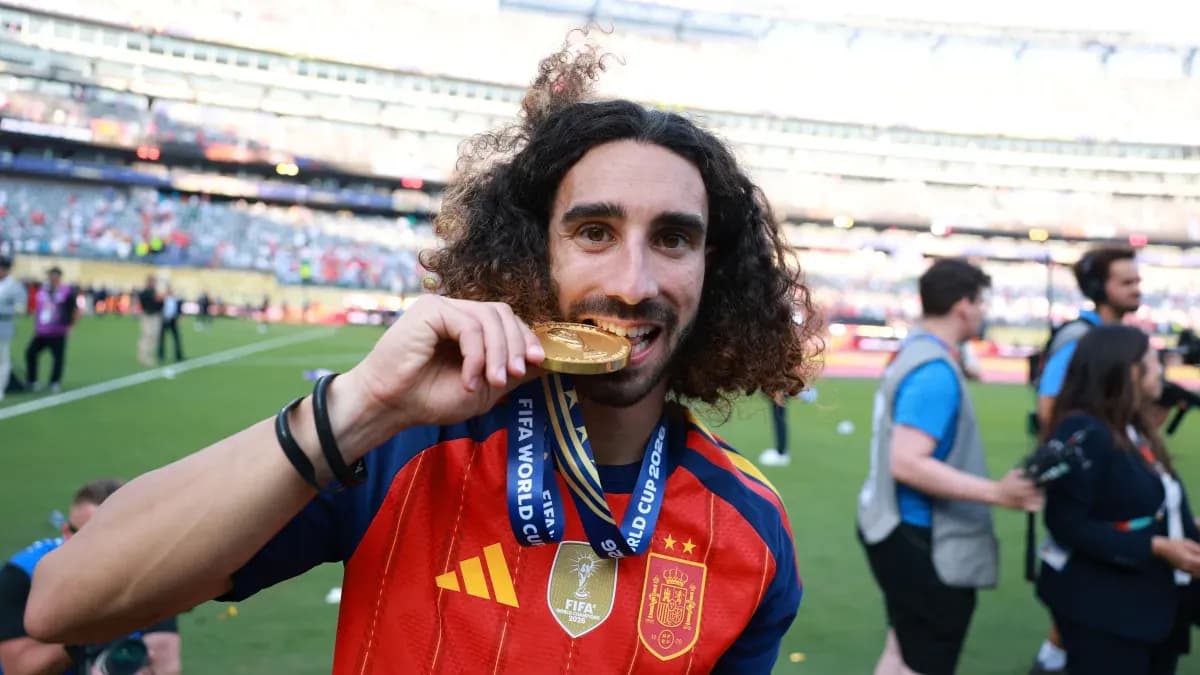
The German national team showed promise during EURO 2024 on home soil, nearly reaching the semifinals despite a controversial non-call involving Marc Cucurella's handball. Yet, their hopes for the 2026 World Cup fell short, leaving fans disappointed after consecutive early exits in 2018 and 2022. The departure of Julian Nagelsmann as head coach has opened the door for Jürgen Klopp to step in, a move many Germans have anticipated since his Liverpool days ended.
From Club Success to National Ambition
Klopp’s career is decorated with major achievements: Bundesliga promotion with Mainz, league titles and cups with Borussia Dortmund, and an array of trophies with Liverpool, including ending their 30-year Premier League title drought in 2019/20. Although managing a national team presents new challenges, his track record surpasses Nagelsmann’s honors, promising a fresh dynamic for Germany’s international efforts.
Familiar Faces and Solid Foundations
Klopp already holds strong relationships within the German Football Association (DFB), working closely with officials such as Bernd Neuendorf and Rudi Völler, who will remain as sporting director until 2028. His plan includes bringing trusted assistants Peter Krawietz and Zsolt Löw, ensuring continuity and cohesion within the coaching staff. These established connections could ease the path for Klopp’s vision to take shape.
Empowered to Reshape German Football
The DFB intends to grant Klopp significant authority over team structure, tactics, and youth development, aiming for a comprehensive overhaul reminiscent of the early 2000s' "Das Reboot" period. This level of control reflects confidence in Klopp’s methods, known for a bold, high-energy playing style often called “heavy metal” football. Such freedom allows him to build a team capable of avoiding the repeated World Cup disappointments Germany has endured.
Balancing Youth and Experience
Klopp’s talent for managing diverse squads shines through his past work, from nurturing young stars like Robert Lewandowski at Dortmund to blending veterans and emerging talents at Liverpool. This ability to balance experience with youth will be crucial for Germany, which currently features a mix of seasoned Bundesliga and Champions League winners alongside rising prospects. Whether he gives consistent opportunities to younger players like Said El Mala or recalls experienced figures like Robert Andrich, Klopp’s proven man management suggests Germany’s squad will find the right equilibrium.
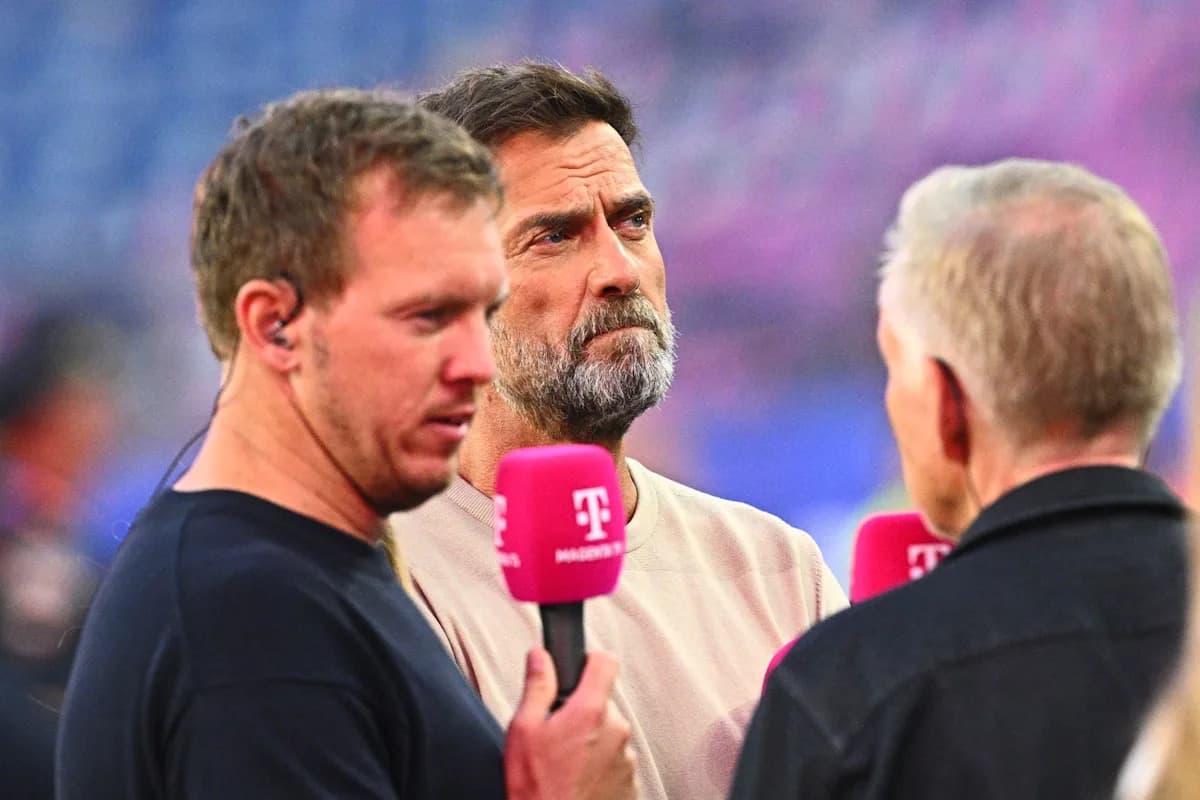
With Klopp preparing to finish his punditry duties and activate the release clause from Red Bull GmbH, his arrival signals a new chapter. Germany’s failures in 2026 might just be the fuel needed to ignite a competitive resurgence at EURO 2028 and the 2030 World Cup.