Genoa 2–1 AS Roma: Tactical Analysis and Key Matchups
Match context and tactical frame
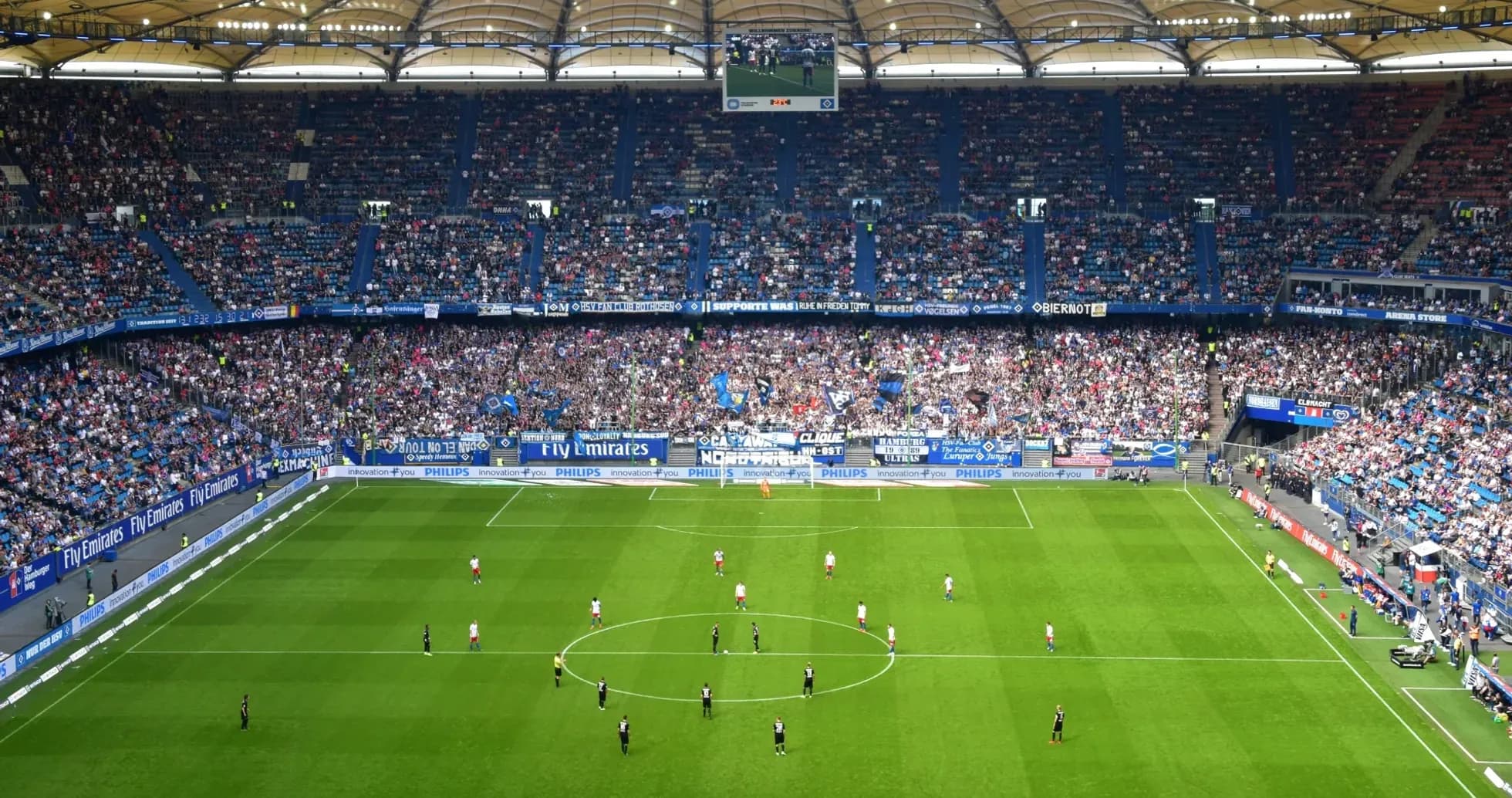
At Stadio Luigi Ferraris, 13th‑placed Genoa overturned the pre‑match narrative by beating 5th‑placed AS Roma 2–1 in a clash of identical 3‑4‑2‑1 shapes. The result goes against the season pattern: AS Roma had shown a far stronger overall record with 51 points and a +17 goal difference, while Genoa came in on 30 points with a −6 goal difference. Over 90 minutes, though, Genoa’s structure and intensity disrupted a side that, overall, had conceded only 21 goals and kept 12 clean sheets.
Genoa squad analysis (overall and at home)
Genoa’s season profile is that of a lower‑mid‑table side with balance but limited punch: overall they have 7 wins, 9 draws and 12 losses, with 34 goals scored and 40 conceded. At home, however, they are more solid, with 5 wins from 15 home matches, a perfectly level 19 goals for and 19 against, and 4 home clean sheets.
Here, the 3‑4‑2‑1 used by Daniele De Rossi leaned into that home resilience. The back three of A. Marcandalli, L. Ostigard and J. Vasquez protected J. Bijlow well, matching up man‑for‑man against AS Roma’s front line. The wing‑backs M. E. Ellertsson and S. Sabelli, nominally listed as midfielders, provided the width and repeatedly pushed onto AS Roma’s wide midfielders, preventing easy progression.
In central areas, M. Frendrup and P. Masini embodied Genoa’s season identity: high work‑rate, willing to trade fouls for control in the middle third, in line with a team that overall has more yellow cards late in matches (noted by their overall yellow‑card spike in the 61–75 minute range). Ahead of them, the flexible front three of Junior Messias, C. Ekuban and J. Ekhator gave Genoa more verticality than their modest overall scoring average of 1.2 goals per match suggests.
Crucially, Genoa managed to produce two goals against a defense that overall allows only 0.8 goals per match. That underlines how well their attacking rotations worked, especially dragging AS Roma’s wide center‑backs into wide zones and attacking the space behind wing‑backs.
AS Roma squad analysis (overall and away)
AS Roma arrived with clear top‑six credentials: overall 16 wins from 28 matches, with 38 goals scored and just 21 conceded. Their defensive record is elite both at home and away; on the road they have conceded only 12 goals in 14 away matches, with 5 away clean sheets and an away scoring rate of 1.1 goals per match.
Piero Gasperini Gian stayed loyal to the 3‑4‑2‑1 that has been used in 20 matches overall. The back three of G. Mancini, E. Ndicka and Z. Celik, shielded by a hard‑working midfield line of D. Rensch, N. Pisilli, M. Kone and K. Tsimikas, usually gives AS Roma control of territory and second balls. Yet here, they struggled more than their overall defensive numbers suggest, repeatedly exposed by Genoa’s runs from the half‑spaces.
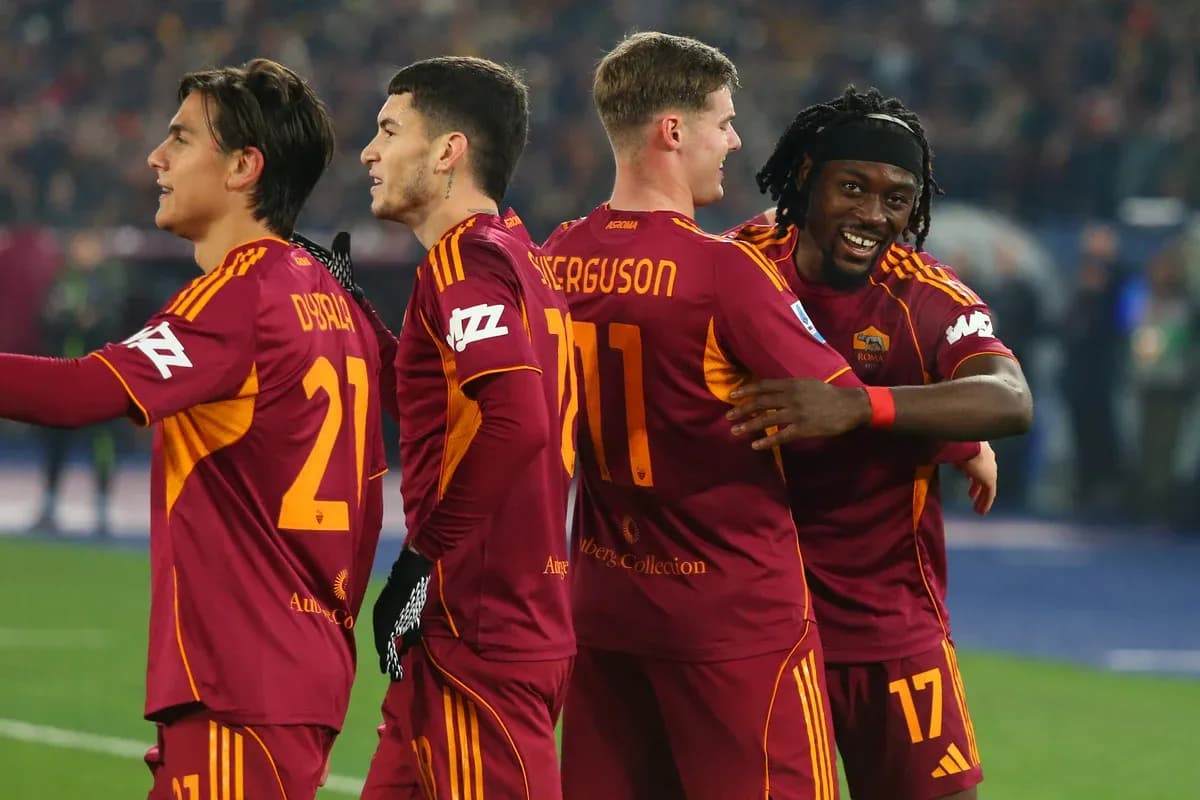
In attack, the absence of multiple forwards and creators – notably A. Dovbyk, P. Dybala, E. Ferguson, M. Soule and Wesley Franca – forced AS Roma to lean on L. Pellegrini, L. Venturino and D. Malen. Considering that M. Soulé is both AS Roma’s top scorer and top assist provider in Serie A with 6 goals and 4 assists overall (and a 7.14 rating), his missing output created a clear creative void. Without his 34 key passes overall and dribbling threat, the front line became more predictable, reflected in AS Roma managing just a single goal despite averaging 1.4 goals per match overall.
Key matchup 1 – Goal threat vs defensive structure
The most striking statistical battle was Genoa’s modest attack against AS Roma’s outstanding overall defense. Genoa, who average 1.3 goals scored at home and have failed to score in 6 home matches overall, broke down an away unit that usually concedes only 0.9 goals per away match. The coordinated movements of Junior Messias and C. Ekuban between the lines consistently targeted the channels around E. Ndicka, forcing AS Roma’s wing‑backs deeper and blunting their usual transitional threat.
Key matchup 2 – Creative vs disruptive axis
With top‑assists data available only for AS Roma, the creative benchmark was M. Soulé’s 4 assists and 34 key passes overall – but he was unavailable. In his absence, AS Roma’s structure relied more on collective ball circulation than on individual chance creation. Genoa, whose overall yellow‑card distribution spikes after the 60th minute, again showed their disruptive side, compressing space centrally and accepting fouls to break rhythm. AS Roma’s usual passing dominance from the back three and double pivot never fully materialised, limiting clean entries into the final third.
Key matchup 3 – The void: M. Soulé and A. Dovbyk vs their replacements
The “void” was clearest in AS Roma’s attack. M. Soulé’s overall output – 6 goals, 4 assists, 31 shots and 75 dribble attempts – has underpinned their season’s offensive profile. Alongside him, A. Dovbyk’s absence removed a focal point in the box. Their replacements, L. Venturino and D. Malen, offer mobility but do not replicate Soulé’s volume of key passes or Dovbyk’s penalty‑box presence. AS Roma still scored once, but compared to their overall 1.6 goals per home match and 1.1 away, the attack looked short of ideas when chasing the game.
On the Genoa side, the missing T. Baldanzi reduced their creative depth between the lines, but Junior Messias compensated with intelligent movement and link play, ensuring Genoa did not feel that absence as acutely as AS Roma did theirs.
Verdict – Statistical edge vs match reality
On paper, AS Roma retain the stronger overall profile: better attack (38 goals vs Genoa’s 34), clearly superior defense (21 goals conceded overall vs Genoa’s 40), and more clean sheets (12 overall vs Genoa’s 6). Discipline‑wise, both sides carry some risk, with Z. Çelik and N. Leali each having a red card overall, but AS Roma’s card distribution is more back‑loaded, indicating late‑game aggression.
In this specific match, however, Genoa’s home resilience and tactical discipline overturned the numbers. They beat one of Serie A’s best overall defenses, protected their own box better than usual, and exploited AS Roma’s injury‑induced attacking void. Statistically, AS Roma still project as the stronger side over a season, but this 2–1 result at Stadio Luigi Ferraris underlines how Genoa’s compact 3‑4‑2‑1 and high‑work‑rate midfield can tilt individual contests even against superior overall squads.