
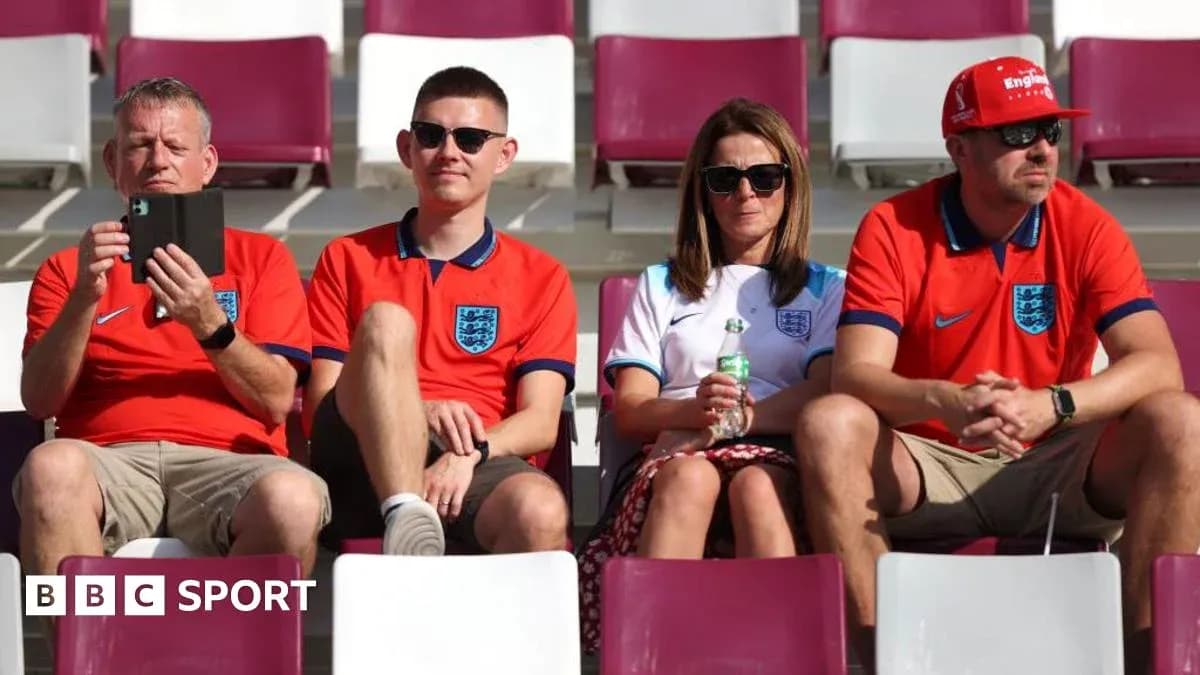
Fifa Bans Reusable Water Bottles Amid World Cup Heat Concerns
Seven days before the World Cup kicks off on 11 June, Fifa has ripped up one of its key stadium guidelines and banned fans from bringing reusable water bottles into venues, triggering anger from supporters already braced for soaring temperatures and soaring costs.
Until this week, the official stadium code of conduct had been clear. “For the avoidance of doubt,” it stated, empty, transparent, reusable plastic bottles of up to one litre were permitted inside World Cup stadiums.
That line has now vanished.
In its place sits a blanket prohibition on bottles, cups, jars and cans, with Fifa insisting the late switch is about safety and the risk of missiles being thrown from the stands.
“Fifa is committed to protecting the health and safety of all players, referees, fans, volunteers, and staff,” football’s world governing body said in a statement, defending the U-turn.
Fans will still be able to buy water once inside, and Fifa has pledged that prices “will remain consistent with other events held at each stadium”, promising not to hike costs above usual venue rates on matchdays.
The timing and context, though, could hardly be more sensitive.
Heat risk and “inadequate” safeguards
Scientists have already warned that Fifa’s heat safety measures for this tournament are “inadequate”, with temperatures at 14 of the 16 host venues forecast to exceed dangerous thresholds during the competition.
Under growing scrutiny, Fifa has pointed to a package of mitigation steps around stadiums, outlining a familiar toolkit for dealing with extreme conditions.
“Fifa works closely with each host city committee and local authorities on heat mitigation factors for fans travelling to the stadium,” its statement said, listing “misting stations, fans, hydration stations, cooling tents and more around the stadium footprint”.
Those measures, the governing body insists, will be in place as crowds stream towards open-air arenas where many supporters had banked on the simple security of carrying their own refillable bottle.
Now, that option has gone.
Fan anger over costs and control
The policy change lands in the middle of a wider storm over the matchday experience. Supporters across competing nations have already complained of “extortionate” ticket prices and inflated train fares wrapped around the tournament.
For many, the bottle ban feels like another squeeze.
The Free Lions England fans’ group called the move a “strange, late change”, highlighting how central the issue of hydration had been in talks with organisers.
“In all of our discussions, free water availability in stadiums was a key one and we were assured by Fifa that this would be the case and that fans will have the ability to bring their own water bottle,” the group said in a statement on X.
That assurance has now evaporated, and with it a measure of trust.
“Naturally, the immediate thought from supporters is this is just the latest money-grab,” the statement continued. “For how hot the stadiums will be, many in open air, just let fans bring a bottle if they want to.”
Memories of Qatar
The row carries echoes of the last World Cup in Qatar, where fans were also blocked from taking bottles into stadiums and clashed with restrictions they felt were opaque, last-minute or commercially driven.
This time, the debate is sharper because the climate question is louder. With scientists warning about dangerous heat, the idea of confiscating empty, transparent, reusable bottles at the turnstiles feels, to many, like the wrong battle to pick.
Fifa counters that hydration will remain accessible. Inside the “stadium footprint”, it says, water bottle prices for the World Cup “will remain consistent with other events held at each stadium”, and it has stressed the presence of hydration points and cooling facilities around venues.
Supporters remain unconvinced and are now looking for proof on the ground.
“We hope the water fountains in stadiums will still be free,” Free Lions added pointedly. “Hopefully you aren’t charged in the queue!”
As kick-off approaches and the temperatures rise, the question is no longer just who will handle the heat on the pitch, but whether those in the stands will be allowed to do the same on their own terms.



