Feyenoord 3–0 Sturm Graz: Van Persie Guides Team to Victory
Feyenoord signed off their UEFA Europa League league-stage campaign with a commanding 3–0 win over Sturm Graz at De Kuip in Rotterdam on Thursday evening. Under the guidance of Robin van Persie, the hosts produced a controlled, professional performance, scoring early and never relinquishing their grip on the game. The result lifts Feyenoord to 6 points with a goal difference of -3, offering a more respectable final table picture after a difficult campaign. Sturm, who finish on 4 points and a -7 goal difference, end their European run firmly in the lower reaches of the overall standings.
First-half analysis
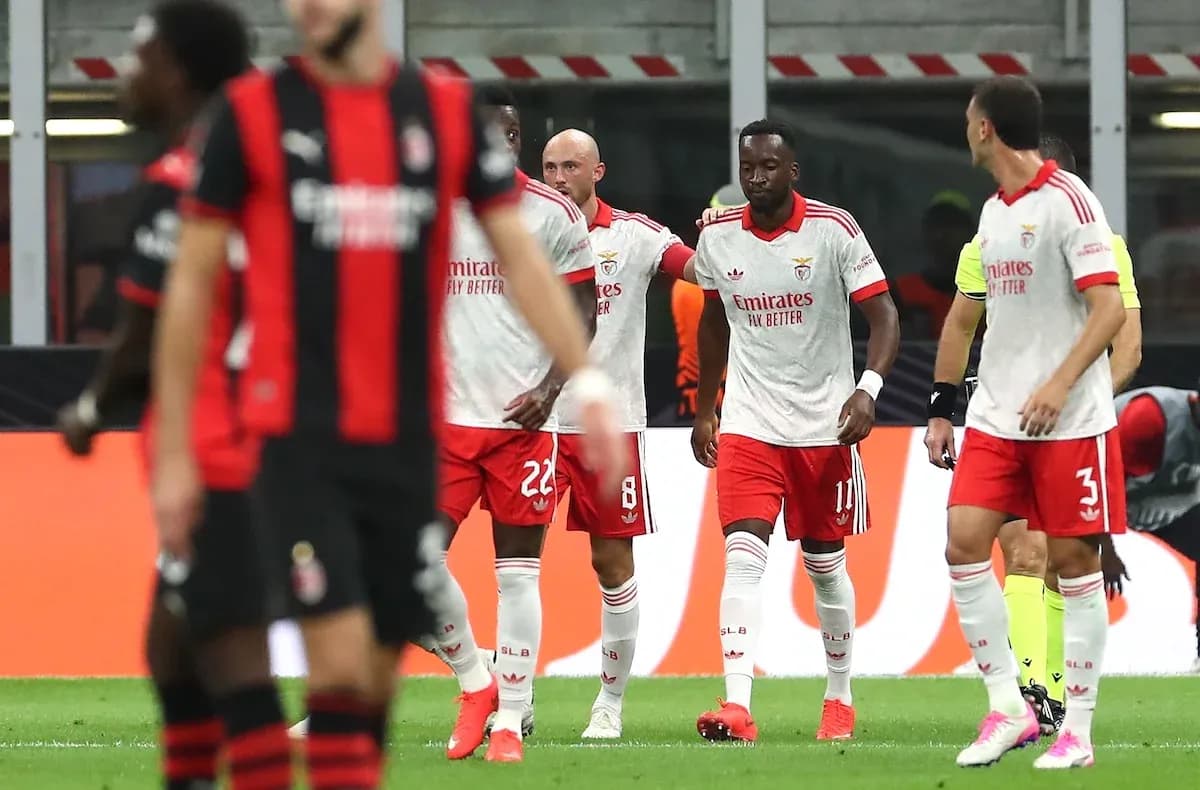
Feyenoord could hardly have scripted a better start. After just 5', centre-back Tsuyoshi Watanabe opened the scoring, finishing a move created by Anis Hadj Moussa. The early goal immediately tilted the contest in favour of the Dutch side, allowing them to settle into their 4-2-3-1 structure and dictate the tempo.
The remainder of the half was defined more by discipline than by drama. Feyenoord’s intensity without the ball brought bookings: Hadj Moussa was cautioned for a foul on 30', followed by a yellow card for In-Beom Hwang on 37'. Sturm Graz responded with their own edge in the duels, as right-back Arjan Malić went into the referee’s book for a foul on 39'. Despite those cards, there were no further scoring events before the interval. Feyenoord carried their 1–0 lead into half-time, having already laid the platform for what would become a comfortable night.
Second half and tactical shifts
The second half began with Sturm Graz attempting to change the attacking dynamic. On 58', forward Seedy Jatta made way for Axel Kayombo, a like-for-like switch aimed at injecting fresh energy into their front line. However, it was Van Persie’s in-game management that truly shaped the final outcome.
On 61', Feyenoord made a double substitution: left-back Jordan Bos was replaced by defender Jan Plug, while centre-forward Ayase Ueda came off for Shaqueel van Persie. The latter move kept a central striker in place but introduced new movement and legs up front, ensuring Feyenoord could continue to threaten in transition and maintain pressure high up the pitch.
Their control was rewarded on 68'. Having already assisted the opener, Anis Hadj Moussa turned scorer, making it 2–0 with Sem Steijn providing the assist. Just three minutes later, Van Persie protected his influential winger, withdrawing Hadj Moussa on 71' and sending on Leo Sauer, a change that preserved attacking width while managing minutes and a prior yellow card.
Sturm responded with a triple substitution on 79' in a last throw of the dice: Luca Weinhandl went off for Filip Rózga in midfield, Arjan Malic was replaced by defender Jeyland Mitchell, and forward Maurice Malone made way for Jacob Hödl. At the same moment, Feyenoord freshened their own structure: Steijn was replaced by striker Cyle Larin, and Hwang by midfielder Oussama Targhalline, moves that balanced defensive stability with continued attacking threat.
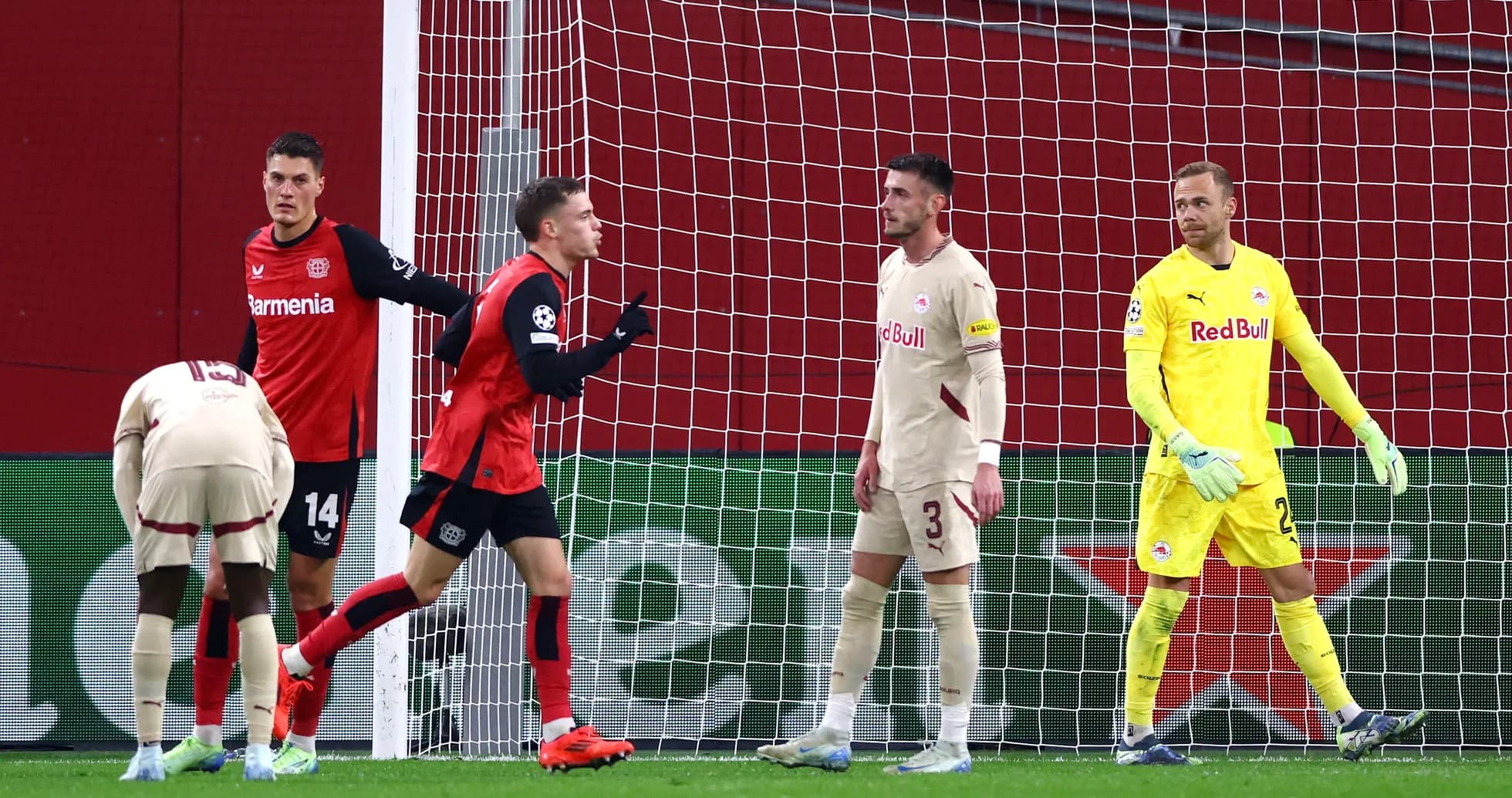
The final flourish came on 90'. Gonçalo Borges added a third goal, assisted by Shaqueel van Persie, underlining the impact of Van Persie’s earlier substitution up front and sealing a convincing 3–0 scoreline.
Statistical deep dive
The numbers underline how thoroughly Feyenoord controlled this match. They held 60% of the ball, completing 411 of 502 passes at an 82% accuracy rate. Sturm Graz, by contrast, conceded possession and managed 342 total passes with 75% accuracy. Feyenoord’s ability to keep the ball and circulate it cleanly made it difficult for the Austrians to build any sustained pressure.
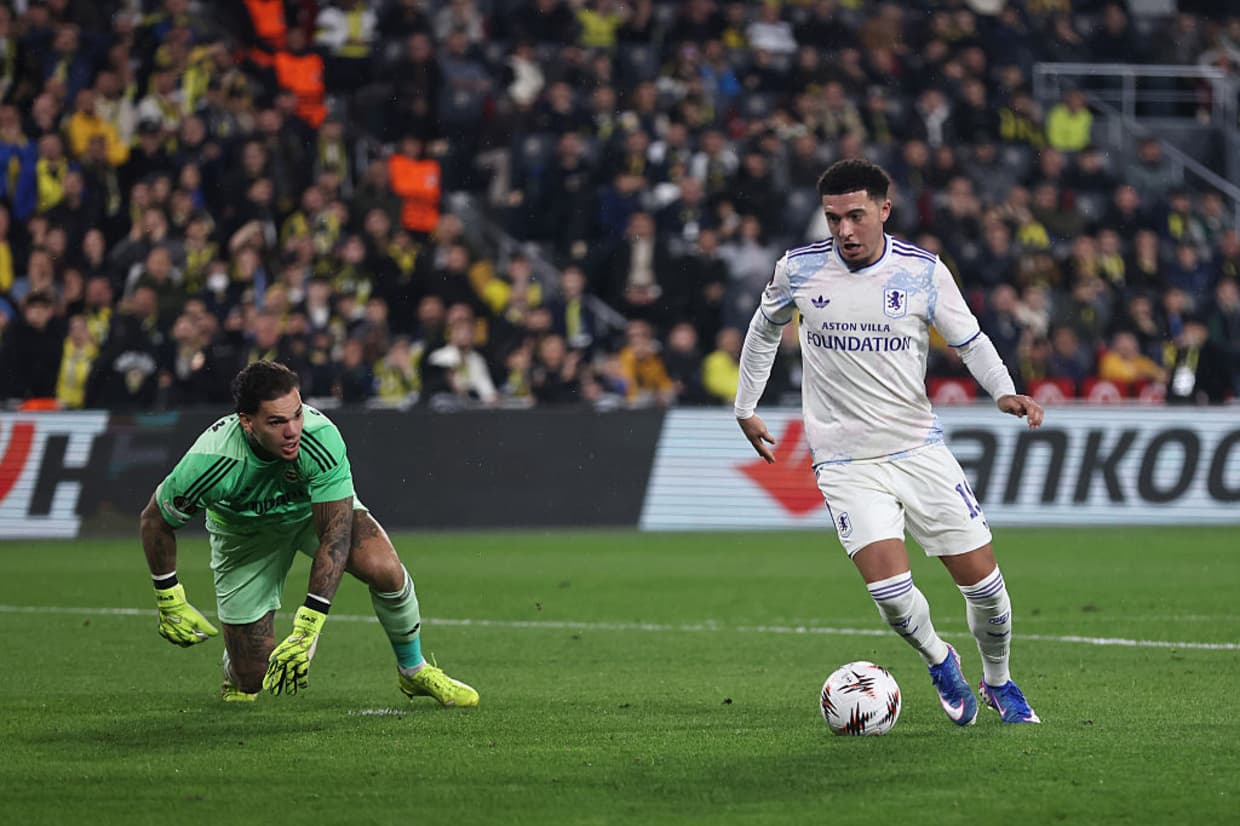
In attack, Feyenoord were far more proactive and varied. They attempted 18 total shots to Sturm’s 4, with 6 on target for the hosts and only 2 for the visitors. The expected goals (xG) figures – 1.32 for Feyenoord versus 0.10 for Sturm – reflect not only the shot volume but also the superior quality of chances created by Van Persie’s side. Sturm’s goalkeeper Daniil Khudyakov made 3 saves, while Timon Wellenreuther was called into action just twice.
Discipline-wise, the contest was competitive but rarely out of control. Feyenoord committed 13 fouls to Sturm’s 12, with the home side collecting two yellow cards (Hadj Moussa and Hwang) and the visitors one (Malić). The card distribution matched the intensity in midfield without tipping into chaos.
Standings and implications
In the broader Europa League picture, this win nudges Feyenoord up to 6 points from seven matches, with a goal difference improved to -3 (10 scored, 13 conceded). They remain 26th in the overall league-stage ranking, but the result at least ends a WLLLW run on a positive note and reinforces their solid home record: two wins and two defeats, 7 goals for and 6 against at De Kuip. For Sturm Graz, a campaign that closes with 4 points, 4 goals scored and 11 conceded leaves them 31st, still without an away point after four road defeats and an away goal difference of 2–9, underlining the gap they must close to be consistently competitive at this level.